‘Big data’ on region’s Australian wildlife
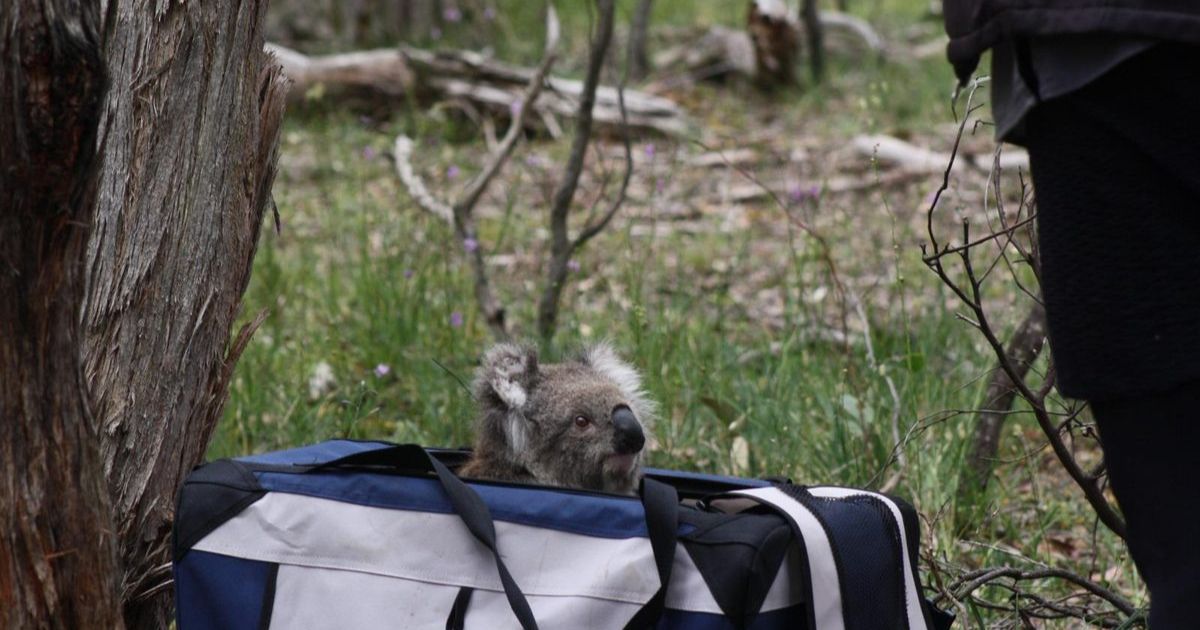
Ready: A koala being released around Meredith. Photo: JESS DAVIES


A STUDY tracking the movement of koalas, echindas and birds of prey is aiming not only to gather more information about these animals, but how they exist within western Victoria.
The research through Ballarat Wildlife Hospital and Federation University has been monitoring members of these species since 2023.
Animals had been brought to the hospital for treatment to injuries before being released back into the environment.
Veterinary researcher Adrienne Lavinia said since the study began, the animals they have been tracking, which include wedgetail and little eagles, have been released and found to be living in areas such as central Ballarat, Meredith and Gordon.
“The main driver of the study is really to understand what happens to wildlife once they’re released from wildlife hospitals,” Dr Lavinia said. “We put a lot of energy and effort into wildlife treatment and rehabilitation within a hospital environment without having a lot of studies on what happens to them once they’re released.”
Animals must meet strict health and ethical criteria such as body weight to be released with a transmitter.
By understanding the landscape the animals are released into, the wildlife veterinarian said, environments can be identified as suitable for such species’ wellbeing.
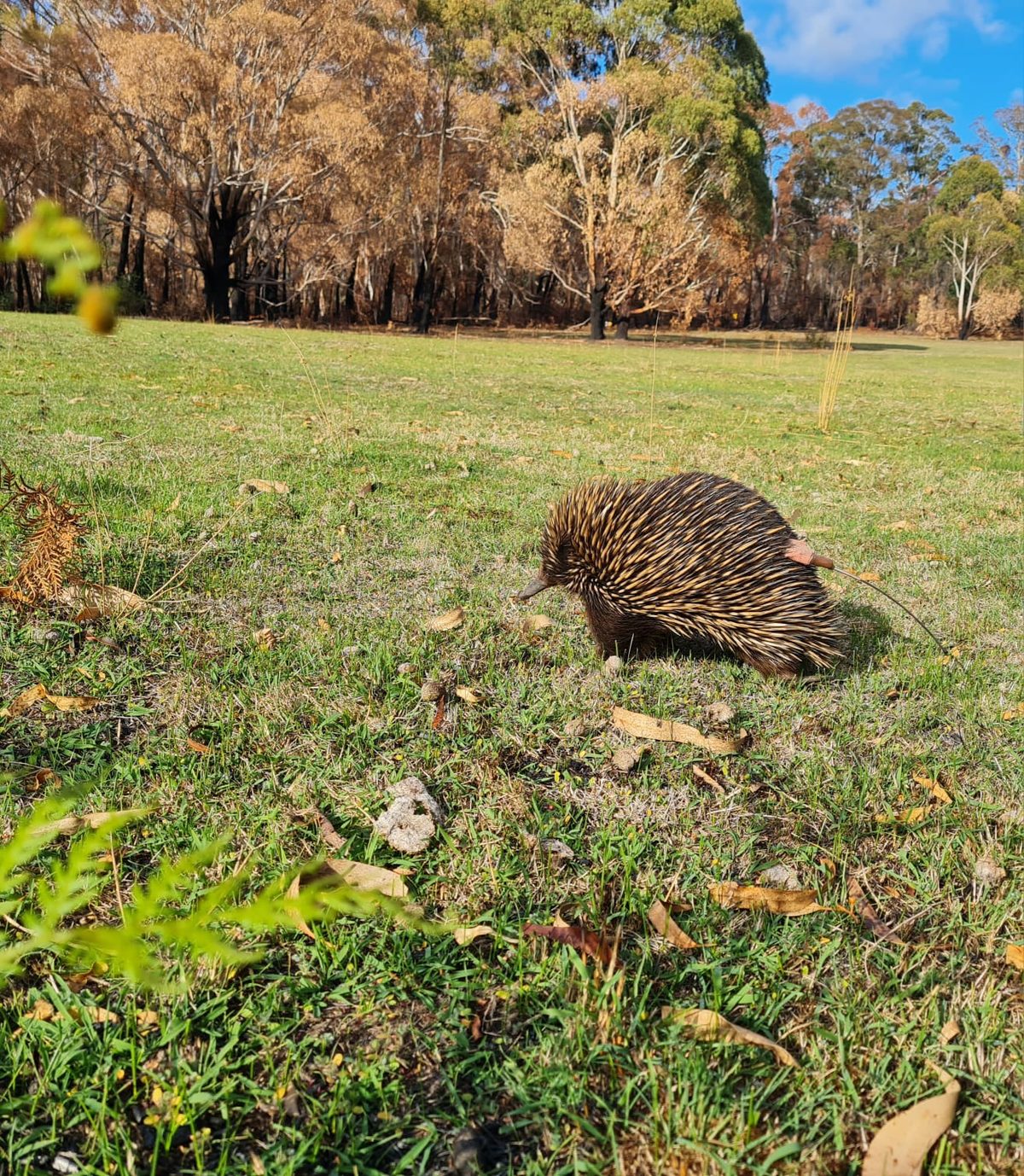
“Trying to answer that has been part of the study, especially with the echidnas,” Dr Lavinia said. “But also with the koalas is where we return them to, is it an area they’re utilising and where are they utilising?”
She hoped to write some papers on the research in the next 12 months.
“The data that we’re doing with the post-release tracking, we’re also combining with the hospital data as well,” she said. “Using the information about what are the injuries they’re coming in for and how long are they staying in hospital and how long is their rehabilitation? So trying to utilise all of that information to get an understanding of how they fare when they’re released.”
The study will also be adapted to include new species of wildlife.
“We’ll continue to add in species as we can and as it’s relevant because there’s so much we don’t know about Australian wildlife in general,” Dr Lavinia said. “But also what we don’t know about our population, our local catchment area.”
The study has been supported by Federation, Melbourne and Macquarie universities, with funding from WIRES and the state government.
Members of the research team include primary supervisor Dr Sarah Preston, hospital director Nikki Shanahan, wildlife rehabilitator Jen Greenhalgh, veterinarian Natasha Bassett, veterinary nurse Melissa Brown and Federation University honours student Jess Davies.
Share


Related Articles
Nominate green thumbs for caring efforts
LANDCARE Australia is calling on communities to highlight grassroots people…
Bulldogs on the move: Gisborne league switch approved
Gisborne Football Netball Club’s future will be in the Ballarat…