Celebrating women in science
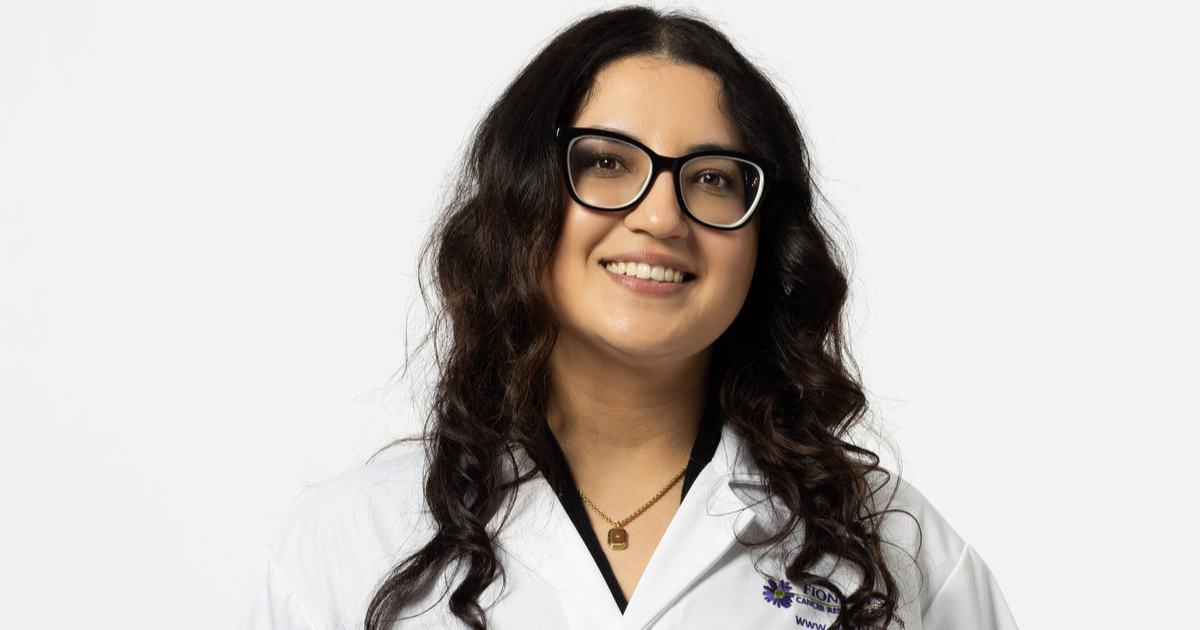
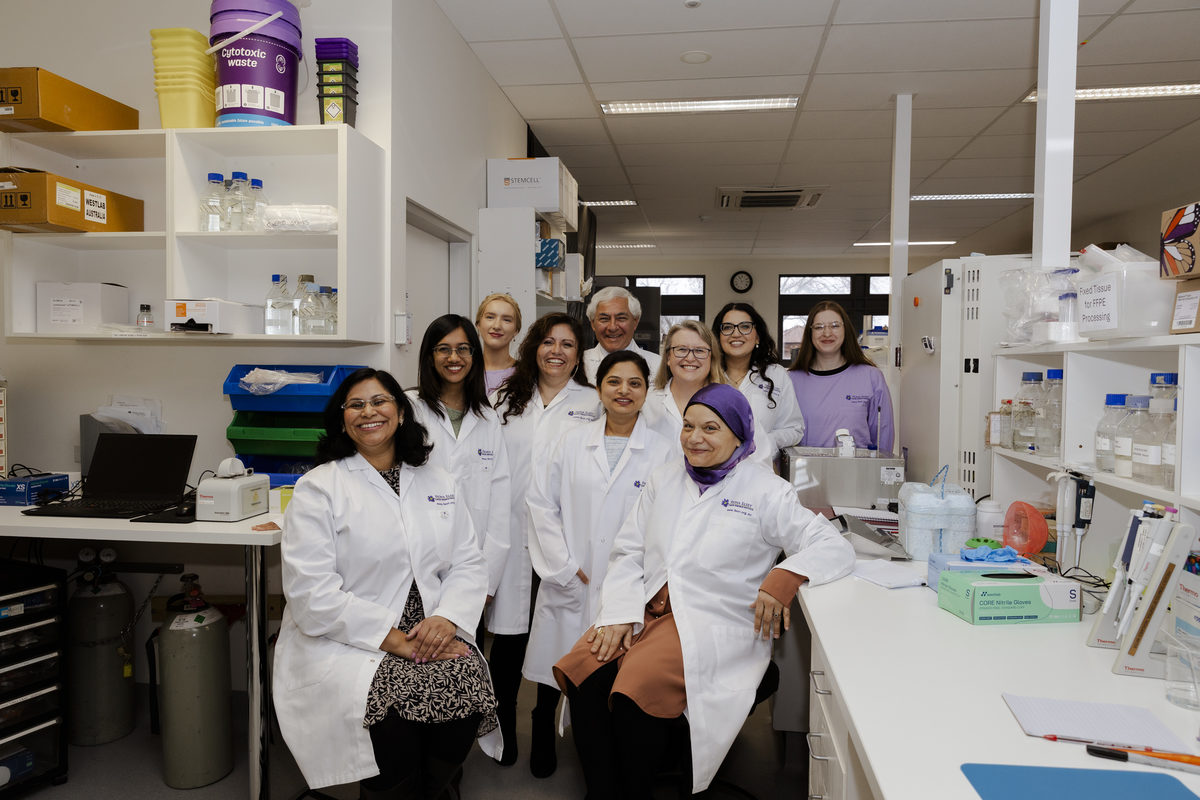
Passionate: Dr Farah Ahmady-Nield. LEFT: Fiona Elsey Cancer Research Institute's women scientists and research assistants with director George Kannourakis. Photos: SUPPLIED


CHRISTOPHER O’LEARY
A RATIO of more women than men inside the labs of a Ballarat cancer research institute was based on merit and the effectiveness of diversity on research, an immunologist has said.
Wednesday 11 February was International Day of Women and Girls in Science, and at the Fiona Elsey Cancer Research Institute (FECRI) the number of women scientists outnumbered the men seven to five.
However, Dr Farah Ahmady-Nield said this was not by design.
The postdoctoral research fellow said the numbers were down to what the scientists brought to the work, and the institute’s culture.
“It is a reflection of the quality, commitment and leadership of the women who work here,” she said.
“In a field where women have historically been underrepresented, especially in research leadership, this balance signals progress – and, importantly, it signals that talent is being recognised on merit.”
A child of scientists, Dr Ahmady-Nield has been curious about how things work from a young age.
The immunologist studies the role of immune cells in aggressive cancers such as glioblastoma and triple-negative breast cancer.
“In the laboratory I study how immune cells are switched off, misdirected or exhausted, and how tumours exploit those weaknesses,” the researcher said.
“Understanding this crosstalk can reveal new biomarkers and open the door to therapies that help the immune system fight back more effectively.
“Medical research is a marathon, not a sprint. Finding answers to these important questions takes time, however I am proud to be a woman in STEM and I love what I do.”
Other women scientists at the institute include Professor Nuzhat Ahmed, Dr Aparna Jayachandran, Dr Sushma Rao, Dr Arpita Poddar, Dr Ruth Escalona and Dr Sharon Olsen. Dr Ahmady-Nield said the institute adhered to the values of “capability, curiosity and dedication to improving patient outcomes” when employing staff.
Through that ethos, Dr Ahmady-Nield said the institute had created a culture of collaboration.
The immunologist said International Day of Women and Girls in Science was a reminder of the power of diverse voices.
“When barriers are removed and opportunities are genuine, diversity follows naturally,” Dr Ahmady-Nield said.
“Diverse teams ask better questions and produce stronger science.”
FECRI director George Kannourakis said he was proud of the institute’s women scientists.
“These women are here because they are the best at what they do – not because of their gender,” Professor Kannourakis said.
“Their excellence, curiosity and leadership drive our research impact.”
Share


Related Articles
Nominate green thumbs for caring efforts
LANDCARE Australia is calling on communities to highlight grassroots people…
Bulldogs on the move: Gisborne league switch approved
Gisborne Football Netball Club’s future will be in the Ballarat…