Institute supports passenger rail’s return to line
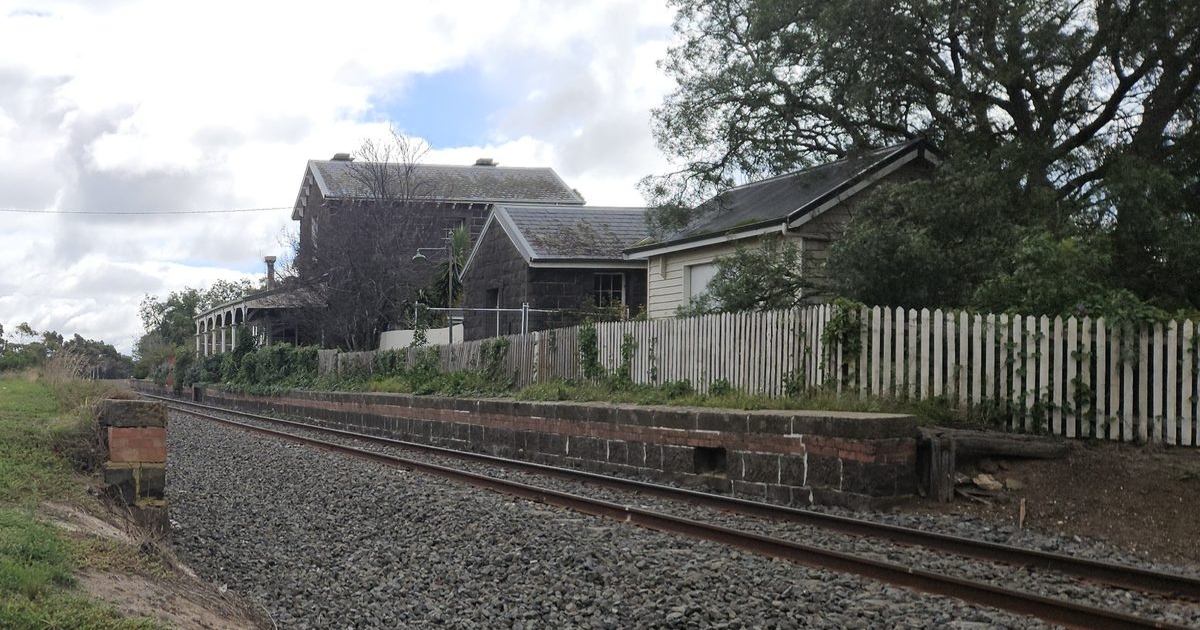
The former Bannockburn rail station. Photo: File.


SERVICING Ballarat and Geelong’s growing populations would be a key reason behind linking the cities with direct passenger rail, an expert said.
John Hearsch OAM, president of the Rail Futures Institute, said having passenger services connecting the two regional hubs “would rank quite highly” as where V/Line trains could next roll between.
Closed to passenger rail from the late 1970s, the Geelong to Ballarat line now carried only freight trains.
However, the Golden Plains Shire Council has included V/Line trains between Bannockburn and Geelong on its priorities list ahead of the state election in November.
While he believed Bannockburn’s projected population of an extra 18,000 residents in coming years was “significant”, Hearsch said a direct connection between Victoria’s second- and third-largest cities was essential.
“The overriding reason is to provide much better connectivity between Ballarat and Geelong,” he said.
“In the process of doing that, we can also service Bannockburn.”
He said Ballarat and Geelong were both growing fast, and that the cities had key reasons for resident movement such as tertiary education and medical facilities.
“There’s quite a lot of medical traffic between Geelong and Ballarat, people from Ballarat who get referred to Geelong and vice versa,” he said.
“And then increasingly as those places develop, you get business and a lot of just populations from each place visiting the other.
“With those general population levels that are there today, but more importantly what is expected to be in the next 10, 20 years, we have no doubt that a resumed passenger service is justified.”
Hearsch said support from councils along the rail line was required for the proposal, which would also need a study to be completed.
However, while he said work such as a new station in Bannockburn would have to be built to return passenger rail to the line, such an upgrade would take only a couple of years.
“I think they’d have enough rolling stock to operate it without having to buy more,” Hearsch said.
“I’d say it could be easily done within two years once the government commits to it and makes the funds available.”
Share


Related Articles
Nominate green thumbs for caring efforts
LANDCARE Australia is calling on communities to highlight grassroots people…
Bulldogs on the move: Gisborne league switch approved
Gisborne Football Netball Club’s future will be in the Ballarat…