Your wishes matter – plan now
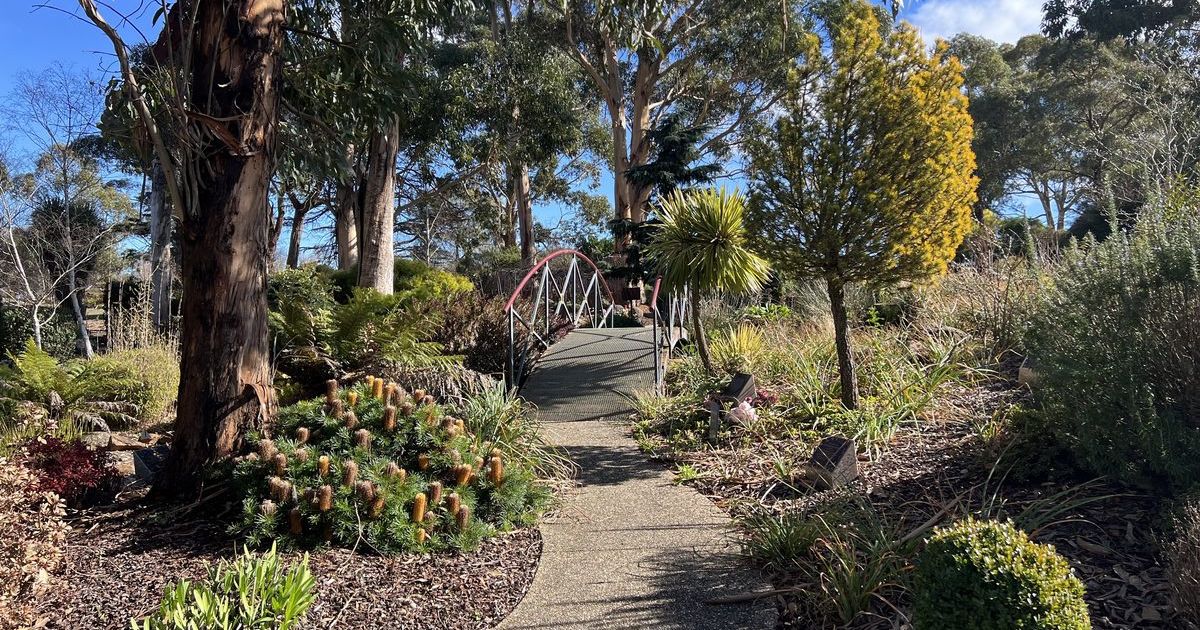
A dedicated place of remembrance allows families to gather, reflect and maintain connection, now and for generations to come.


AS we move through later life, many of us reflect on the care we’ve given to family, work and community. Yet end-of-life planning is often postponed.
While it can feel uncomfortable, taking the time to plan ahead is a compassionate step that brings clarity and emotional comfort for both you and those you love.
End-of-life planning isn’t morbid; it’s about creating reassurance for yourself and your family.
Annie De Jong, chief executive at Ballarat Cemeteries, sees firsthand the difference planning ahead makes.
“End-of-life plans are a gift,” Ms De Jong said. “When wishes are clearly shared, it changes the experience for families.
“There’s comfort in knowing they’re doing what you asked, giving them space to grieve, reflect and celebrate your life – and their part in it.”
Without guidance, families can face complex decisions during one of the hardest times of their lives.
Planning ahead – whether for burial, cremation, donation to science, or purchasing a cemetery location – ensures your wishes are respected while relieving pressure on those grieving.
“Just as important as making these decisions is recording them,” Ms De Jong said.
“It doesn’t have to be formal. Some people use a notebook, a spreadsheet, a checklist, or a folder with key documents. What matters most is that your wishes are clear, kept up to date, and your family knows where to find them.”
Final wishes can include everything from funeral arrangements to the distribution of personal items or financial portfolios. Once documented, it’s crucial to have a conversation with your family about them.
“Your plans shouldn’t be hidden in a drawer,” Ms De Jong said. “Open conversations mean everyone understands your wishes and can honour them when the time comes.”
Memorialisation is an essential part of planning. A dedicated place of remembrance allows families to gather, reflect and maintain connection, now and for generations to come.
“A memorial gives people a physical place to remember, talk, sit quietly, leave flowers and introduce future generations to their family story,” Ms De Jong said.
“It creates a lasting connection between past, present and future.”
In Victoria, cemetery interment is in perpetuity, ensuring easy access and a permanent place to visit.
“Our Client Services team hears many stories of families who have scattered ashes in remote locations, or areas that are later developed,” Ms De Jong said.
“Sometimes, the location becomes inaccessible, or there is no official family record of the actual site, which can leave future generations without a meaningful place to visit.”
Storing multiple urns at home can create a similar issue.
“As homes are sold or downsized, families may be unsure how to honour ancestors. When urns are tucked away, there’s no dedicated place for family to visit or reflect.”
Pre-purchasing a cemetery location secures a preferred site, reduces burdens on loved ones, and ensures families can stay together in death.
“As in life, many families want to remain connected in death,” Ms De Jong said. “Planning ahead makes that possible.”
With Ballarat New Cemetery expected to reach capacity in about 70 years, early planning is encouraged.
“Thinking ahead isn’t about urgency; it’s about intention,” Ms De Jong said. “It’s about taking care of it for your family, and ensuring your legacy, wishes and story are preserved with care for those who come after you.”
//SPONSORED CONTENT
Share


Related Articles

Making Lives Better in Ballarat
AT Nurse Next Door Home Care Services Ballarat, our purpose…
Trusted care with BCH: navigating the shift to Support at Home
WITH the introduction of the new Aged Care Act, the…