Stop accepting women’s pain as normal
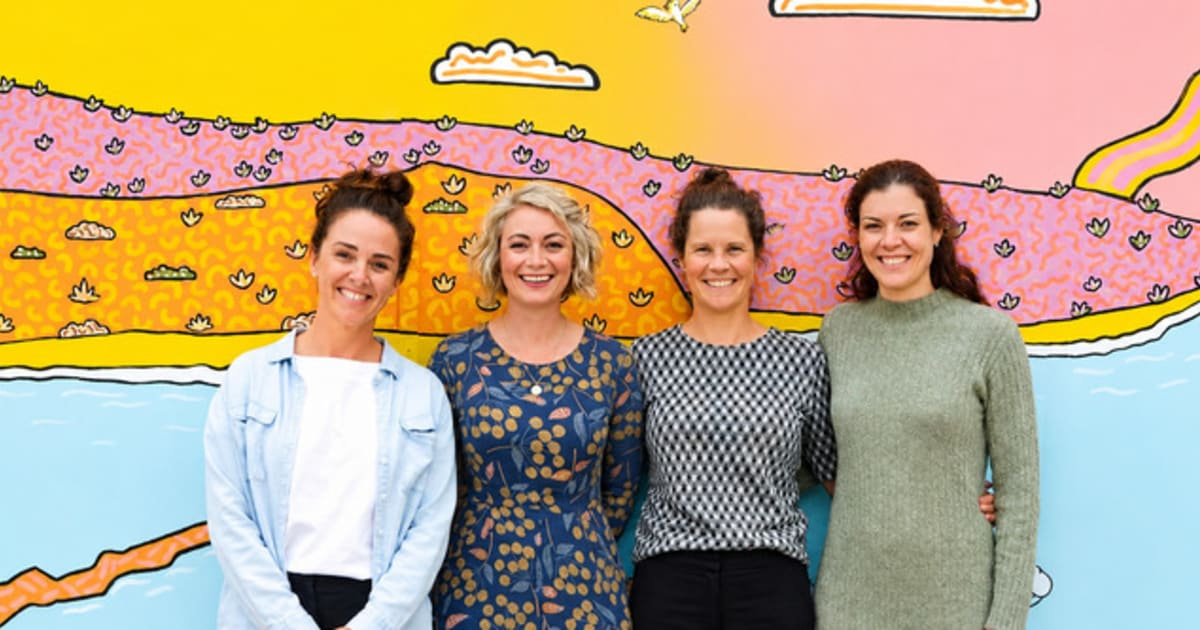
(From left) Surf Coast Women's Health Group practice manager and registered nurse Amy McElgunn, Dr Niamh Logue and women's physiotherapist Courtney Weybury with obstetrician, gynaecologist and fertility specialist Dr Edwina Coghlan. Photo: Women Out Loud.


WOMEN's health experts are urging people to stop accepting debilitating period pain as "just part of being female", warning that symptoms disrupting daily life should never be ignored.
Clinicians from Surf Coast Women's Health Group used the latest episode of the Women Out Loud podcast to challenge long-held misconceptions around women's pain, particularly when it comes to endometriosis and chronic pelvic pain.
General practitioner Dr Niamh Logue said too many women had grown up believing severe pain during their menstrual cycle was something they simply had to endure.
"We have a very high tolerance for women's suffering," she said.
Dr Logue said pain that interfered with everyday life should always be investigated.
"If you've got horrible periods and they're very debilitating and ruining your life and your quality of life, it doesn't really matter what the label is. Seek help," she said.
The podcast highlighted that endometriosis affects around one in 10 women, yet remains historically under-diagnosed because symptoms have often been dismissed or normalised.
Obstetrician, gynaecologist and fertility specialist Dr Edwina Coghlan said one of the biggest warning signs was when periods affected school, work or normal activities.
"If your periods are impacting your life, school or work, that in itself is a red flag," she said.
She said many people still believed surgery was necessary before treatment could begin, but modern care focused on managing symptoms early through a multidisciplinary approach involving GPs, physiotherapists, specialists, pain psychologists and other allied health professionals.
Dr Coghlan said treatment was about improving quality of life rather than simply confirming a diagnosis.
"Surgery should really be coming after all of those treatments," she said.
The panel also encouraged women who felt dismissed to continue advocating for themselves and seek another opinion if necessary.
Dr Logue said women should feel empowered to ask questions, prepare for appointments and clearly explain how their symptoms were affecting their lives.
"If women feel they're not getting answers, they're not feeling heard, get a second opinion," Dr Logue said.
The clinicians said no woman should feel she has to simply live with debilitating pain, with earlier intervention offering the best opportunity to improve long-term health and wellbeing.
Honest conversations remain at the heart of Women Out Loud, helping women feel informed, supported and confident to advocate for their health.

For those experiencing symptoms or seeking further advice, the Surf Coast Women's Health Group offers telehealth appointments, making it easier for women to access expert care and begin the conversation wherever they are.
Share


Related Articles
Business festival to inspire, educate and connect
AS winter sets in, it's a timely reminder of the…