Inside the honey business most people never see
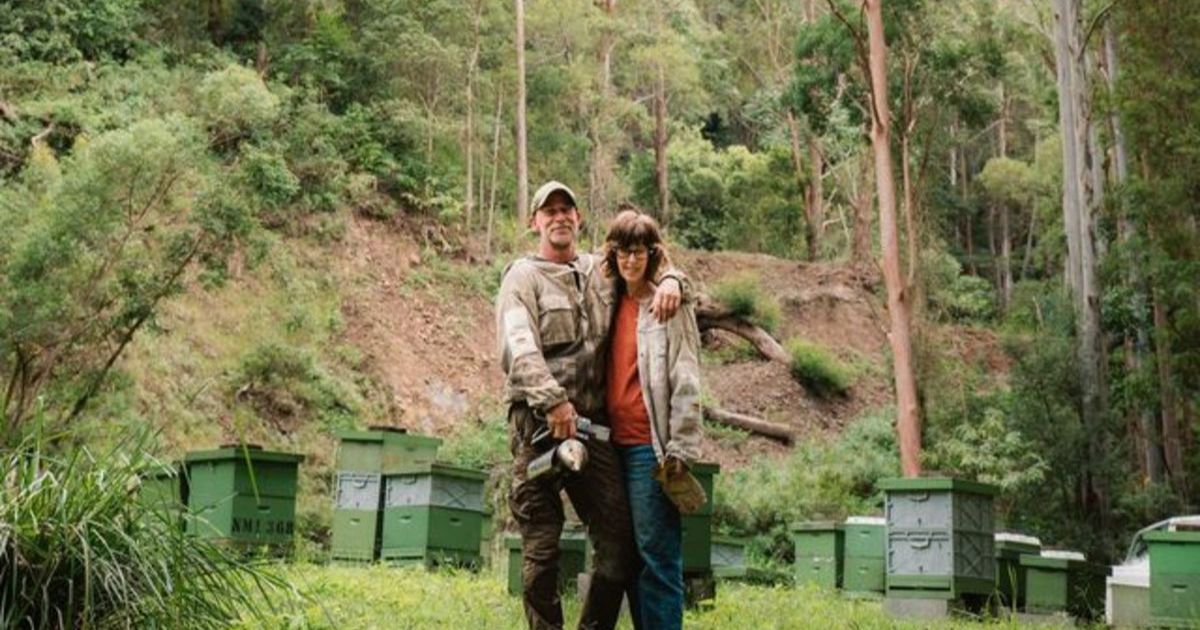
Sunny Times beekeepers Aidan Quick and Michy De Domahidy. Photo: SUPPLIED


FOR local organic beekeepers Aidan Quick and Michi De Domahidy, opening a healthy beehive is both routine and deeply rewarding.
“Standing alone in a pocket of forest with perfect brood and healthy bees, I feel a sense of wonder from being part of a bigger process,” Quick said.
“In that moment you understand what ‘stored sunshine’ truly means.”
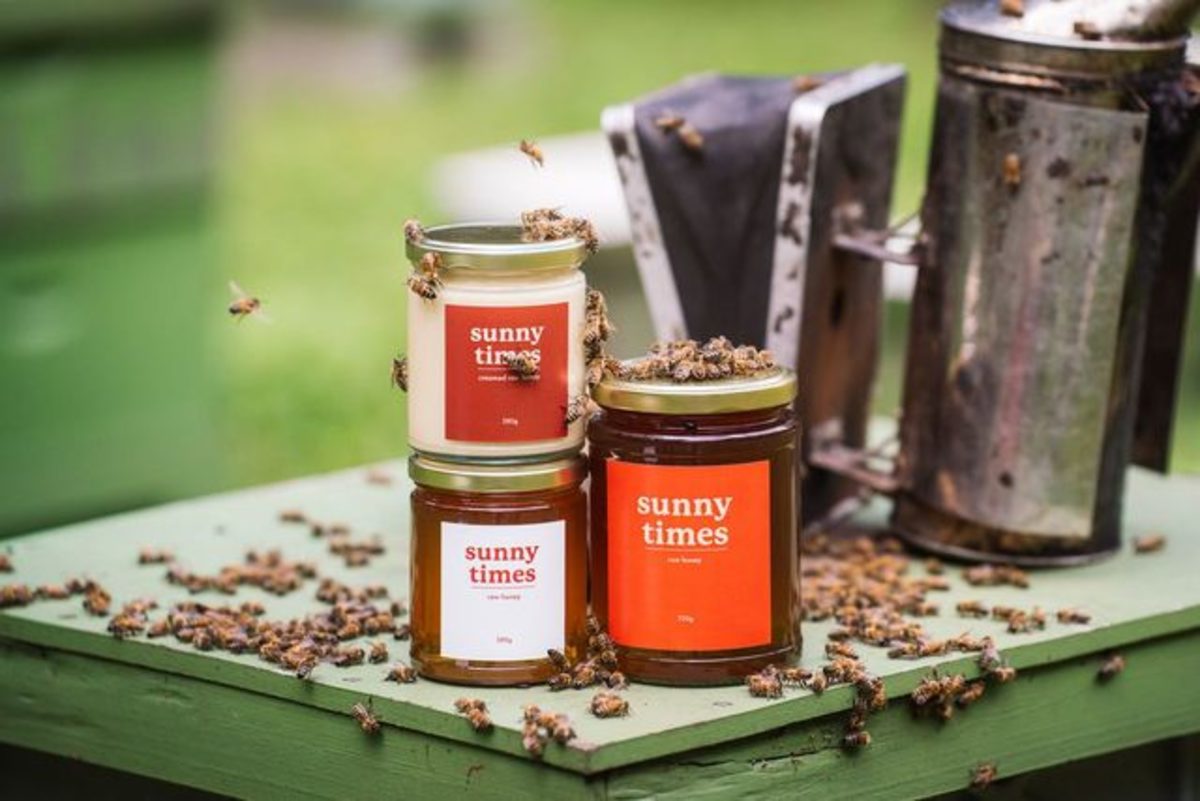
That phrase has become the guiding idea behind Sunny Times, a certified organic honey producer built around a “bee-first” approach that prioritises hive health and the surrounding environment.
Sunny Times raw honey is now stocked in more than 160 stores across Australia, but the pair say their focus has never been on volume.
“The distinguishing character of our organic honey comes from place rather than processing, because it reflects the clean landscape, full ripening in the hive and minimal handling,” Quick said.
“This results in layered aromatics and subtle nuanced flavour.”
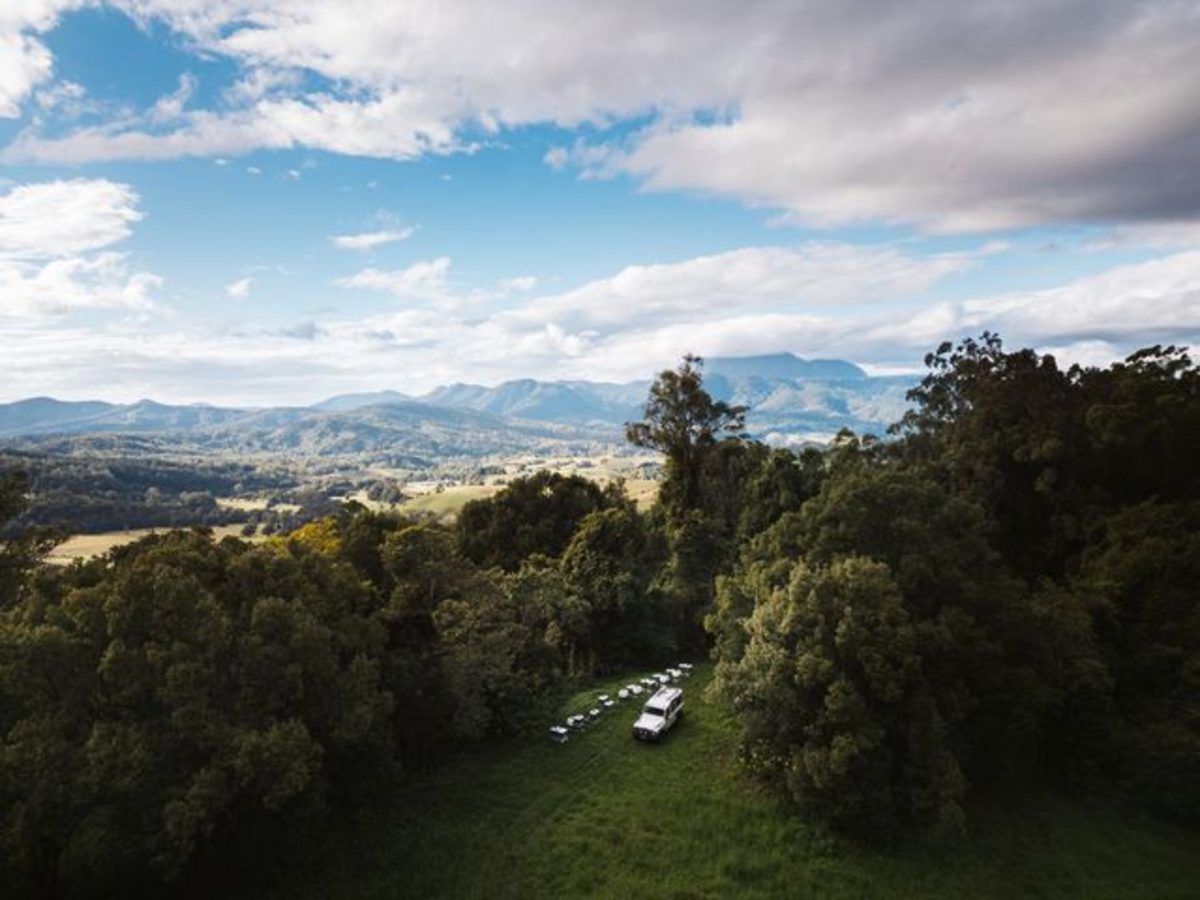
Operating organically means keeping hives well away from intensive agriculture and chemical exposure, which in turn limits where they can work.
“We avoid areas of industrial agriculture, and this directly shapes where we can responsibly place our hives,” Quick said.
The pair are critical of large-scale commercial honey production, where extensive harvesting can require bees to be fed refined sugar to compensate for lost stores.
For Quick and De Domahidy, raw honey is not meant to compete with cheaper “commodity honey”, but to sit apart from it.
“Organic beekeeping works when the model shifts from volume to value,” De Domahidy said.
“We are not selling kilograms, we are selling ecology, genetics, place, and trust.”
They also challenge the idea that honey is simply a sweetener with little variation.
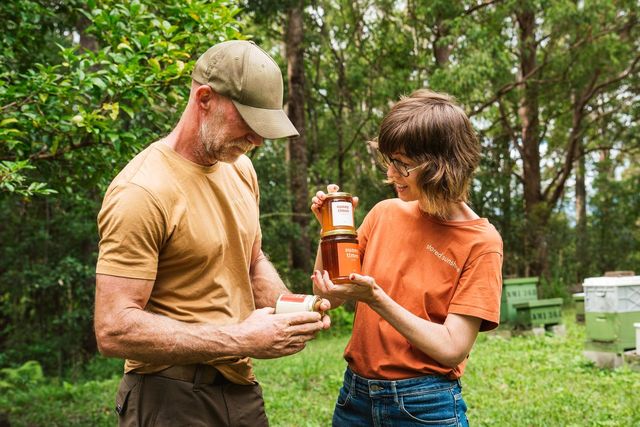
“Flavours can range from delicate and buttery to floral and deep, depending on which flowers the bees source the nectar from, and the time of year,” De Domahidy said.
Despite growing interest in ethical food production, the economics of beekeeping remain difficult, particularly in a market where low-cost honey is widely expected.
“Cheap honey is widely expected without recognising the ecological cost behind it,” Quick said.
Environmental pressures are also mounting. Like many Australian beekeepers, Sunny Times has been impacted by the varroa mite, a parasite that spreads harmful viruses through bee colonies.
“Bees are remarkably resilient when challenges occur one at a time, but when pressures arrive together, they struggle,” Quick said.
Nutritional stress, chemical exposure and varroa-spread disease have combined to cause significant colony losses.
“Losing bees is a heavy blow,” De Domahidy said.
“It pushes you to breed stronger and shifts the focus from producing honey to producing resilience.”
The pair hope future policy better supports pollinators and the landscapes they depend on.
“Landholders should be rewarded for maintaining flowering landscapes, chemical risk needs to be assessed across whole ecosystems, and biodiversity corridors should be actively supported,” Quick said.
Despite the challenges, Quick and De Domahidy say the rewards of beekeeping extend well beyond the jar.
“Seeing a colony express its intelligence in a healthy landscape and tasting that health is the most rewarding part of our job,” De Domahidy said.
“It is the connection of sunlight, soil, flowers, bees and people held together in one jar.”
Share


Related Articles
Press Council celebrates 50 years
The Australian Press Council is marking its 50th anniversary by…
Drones now watching for sharks from dawn to dusk on NSW North Coast
DRONES are now monitoring for sharks 365 days a year…