New discovery reveals hidden driver of deadly brain cancer
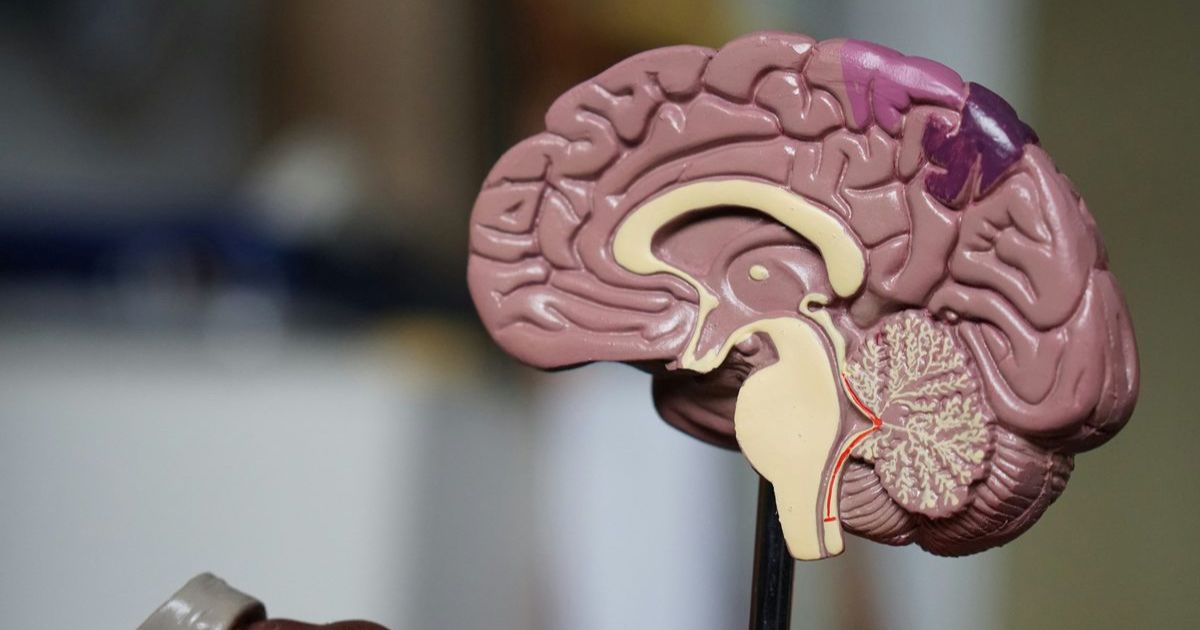
Researchers have identified a newly recognised protein pathway that may help explain how glioblastoma grows and spreads, raising hopes for more targeted treatments. Photo: Robina Weermeijer


AUSTRALIAN researchers have uncovered a previously unknown mechanism that helps drive the growth and spread of glioblastoma, one of the most aggressive and lethal forms of brain cancer.
The study, led by scientists from the Centre for Cancer Biology at Adelaide University and published this week in the journal PNAS, found a protein known as CD47 plays a direct role inside tumour cells, helping them grow, move and invade surrounding brain tissue.
Glioblastoma remains extremely difficult to treat, with most patients surviving less than 18 months after diagnosis despite surgery, radiation and chemotherapy.
Senior author Dr Nirmal Robinson said CD47 had long been recognised for helping cancer cells evade the immune system, but the new research showed it also promotes tumour progression through a separate biological pathway.
“What we’ve discovered is that CD47 is doing much more than that; it’s actually driving the cancer’s ability to spread and grow,” Dr Robinson said.
Researchers found CD47 was particularly abundant at the invasive edges of tumours, where cancer spreads into healthy brain tissue, and that patients with higher levels had significantly poorer survival outcomes.
Laboratory and animal model experiments showed removing or blocking the protein reduced tumour cell proliferation, migration and invasion, with some models showing survival time nearly doubled.
The team also identified a partner protein, ROBO2, which is stabilised by CD47 and contributes to tumour progression.
Lead researcher Dr Ruhi Polara said understanding this newly identified pathway could help guide future treatment strategies.
“This could lead to the development of therapies that specifically block the tumour’s ability to spread, which is one of the biggest challenges in treating glioblastoma,” she said.
Researchers say further studies are needed before the findings can be translated into clinical treatments.
STAFF WRITER
Share


Related Articles

Press Council celebrates 50 years
The Australian Press Council is marking its 50th anniversary by…
Community memorial honours lives lost in marine rescue tragedy
MARINE Rescue NSW hosted a community memorial service honouring boat…