Action group backs loneliness response
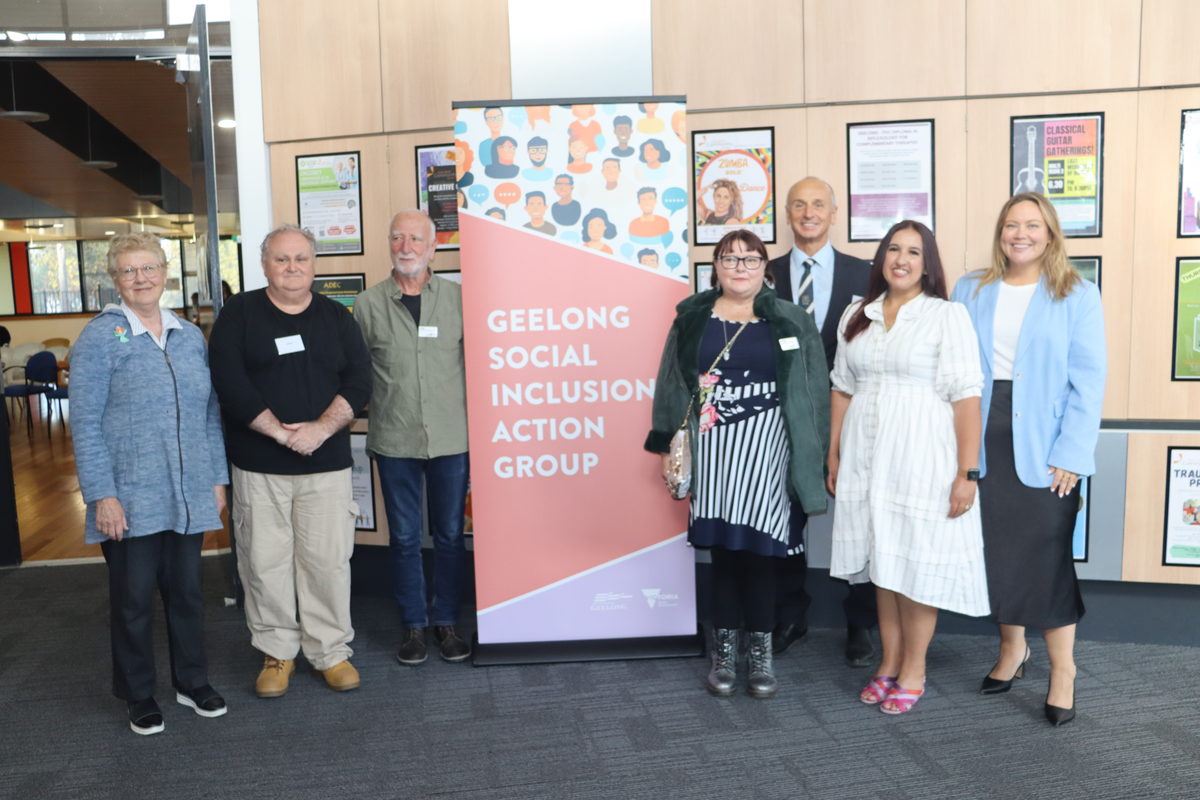
Some of the members of the Geelong Social Inclusion Action Group with Lara MP Ella George (first from right) and Geelong mayor Stretch Kontelj (third from right). Photo: James Taylor.


THE members of Geelong’s Social Inclusion Action Group (SIAG) are confident their first report will lead to real action towards improving inclusivity and decreasing loneliness across the City of Greater Geelong.
On Monday, the SIAG officially launched its Belonging in Geelong: A Social Inclusion Needs Analysis, which found some people in Geelong face a higher risk of loneliness, with some experiencing multiple challenges.
The 18-member group is one of 10 set up across Victoria in collaboration with state and local governments in response to the Royal Commission into Victoria’s Mental Health System.
“I guess we’ve all been brought together by having gone through a form of loneliness ourselves,” member Ellen Csar said at the launch at Vines Road Community Centre.
Fellow member Smita Bhandari said the group’s diversity stood out from the outset.
“The way they were conducted, the sessions were so inclusive and it was like we had a purpose, all of us, and the conversations were just amazing,” she said.
Paul Bucci said he had no expectations going into the SIAG.
“I was really taken by it – some really interesting people, very diverse, we have a bit of a laugh at the meetings, and there’s very competent staff from the council involved,” he said.
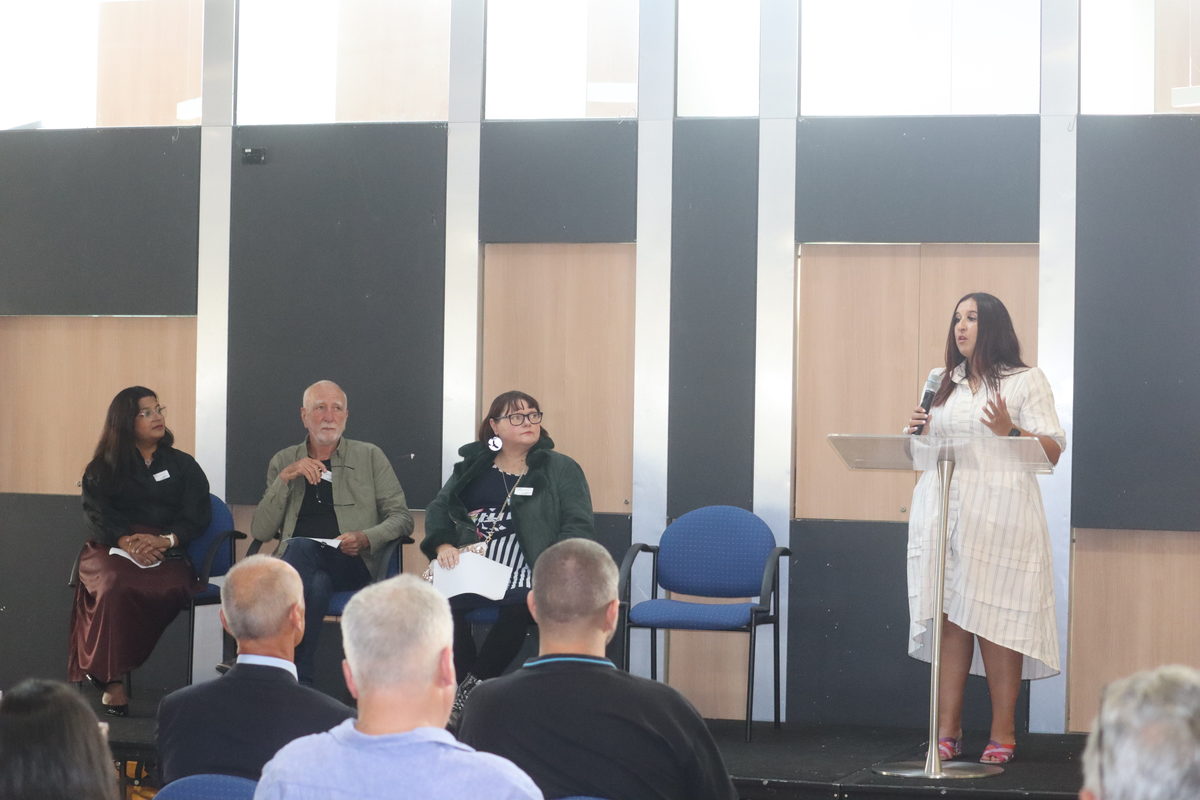
“And I’m impressed with the objectives and where we’re trying to get to because I think these are significant social issues.”
According to the 2024 Geelong Preventative Health Survey, a quarter of Geelong’s residents feel lonely.
Young people aged 18 to 24 are the most affected, with 60 per cent reporting loneliness. The rate rises to 77 per cent among people experiencing severe psychological distress and 61 per cent among people with disability.
“The most surprising was the youth loneliness,” Bhandari said.
“We were all taken aback by that. We didn’t expect that to come out as number one and it was a big shock for us to understand through the need analysis that is the biggest part.”
The report identifies key drivers including limited transport access, cost-of-living pressures, inaccessible facilities, stigma and discrimination, and gaps in digital access and program reliability.
Csar said transport remained a critical barrier.
“For example, wheelchair accessibility, buses run on time or don’t run on time… they can all add to these moments of loneliness, so you’re unable to get to a venue because you can’t get your wheelchair in or your walker in,” she said.
The needs analysis outlines responses including affordable housing, more reliable public transport, action on discrimination, and free or low-cost community programs tailored to local needs.
The SIAG is focused on long-term outcomes, with plans to pilot an intergenerational program in Geelong.
Bucci said funding would support community-led initiatives.
“We have money to give away to groups, too, which is pretty critical,” he said.
“Hopefully over the next few years there’ll be slow development of some of the answers.”
Share


Related Articles

Spilt Milk festival finds new home in Geelong
One of Victoria’s biggest annual music events is heading to…
New curriculum brings farming into the classroom
A new curriculum resource designed to teach students about regenerative…