Labor spruiks budget’s tax cuts, defends negative gearing change
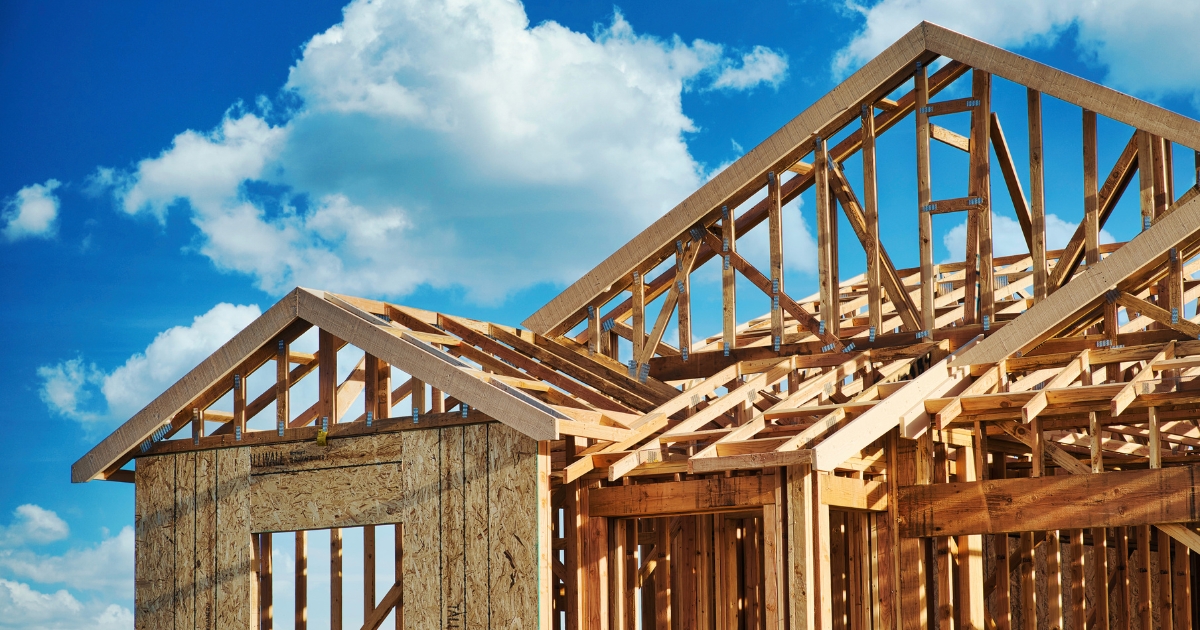
Labor says its changes to negative gearing and capital gains tax will get an extra 75,000 Australians into homes. Photo: Adobe Stock.


The Albanese government is touting its 2026–27 budget as ambitious in the face of adversity, with the financial blueprint rolling out more help with the cost of living and new tax cuts for workers.
Treasurer Jim Chalmers delivered his fifth budget, titled Resilience and Reform, yesterday at Parliament House.
He said the budget contained record investments in healthcare, defence, and economic resilience.
The $250 Working Australians Tax Offset has been extended and an instant tax deduction will allow workers to lower their taxable income from work by $1,000 without keeping receipts when they lodge their tax return.
Combined with future cuts to the tax rate on taxable income, an average worker on average earnings who receives the average benefit from the instant tax deduction will be $2,701 better off in 2027–28 than in 2023–24.
There will be $5.9 billion to list new medicines on the Pharmaceutical Benefits Scheme, including treatments for cystic fibrosis, chronic kidney disease and various cancers.
“For example, cutting the cost of treatment for cystic fibrosis will save some Australians around $250,000 a year,” Chalmers said.
$25 billion in additional funding will go to state and territory hospitals, and the 137 Medicare Urgent Care Clinics will be permanently funded.
Locally, the Australian Centre for Disease Preparedness in Newcomb is receiving $38 million a year in ongoing funding.
Corangamite Labor federal member Libby Coker praised the government’s health care measures.
“More than 3,000 people have visited the Torquay Medicare Urgent Care Clinic and around 99 million people have filled out a script for cheaper medicines across Victoria,” Coker said.
As it indicated earlier, Labor is making changes to negative gearing and capital gains tax (CGT) – a broken promise from the 2025 election.
From 1 July 2027, negative gearing will be limited to new builds and the 50 per cent CGT discount replaced with a discount based on inflation and a new minimum 30 per cent tax on gains.
Explaining the backflip, Chalmers said the government had to respond to house prices rising by more than 400 per cent since 1999, which was twice as fast as average incomes.
“We’re delivering a fairer tax system for workers, first home buyers and future generations,” he said.
“This will help rebalance a system which is more generous to assets than it is to labour, and help rebalance a system where house prices have decoupled from incomes.”
Also in housing, a new $2 billion Local Infrastructure Fund will help local governments and state utilities build essential infrastructure to support new housing, including connecting essential services such as water, power, sewerage and roads, and is expected to support up to 65,000 homes over the decade.
“In an era where people feel like the system no longer works for them, this budget doesn’t just acknowledge that – it acts on it,” Chalmers said.
In response to the Iran war and its impact on global oil prices, there will be a $14.8 billion package to secure more fuel, strengthen supply chains and build resilience.
This includes $10 billion in immediate fuel supplies and a permanent Australian Fuel Security Reserve, $1 billion in interest-free loans through the National Reconstruction Fund and incentives to get more freight moving on trains and ships.
Some of the new spending will be covered by measures to limit the growth of the National Disability Insurance Scheme, with $36.8 billion to be cut over the next four years; the biggest single cut in the budget.
Victorian Liberal Senator Sarah Henderson described Chalmers and prime minister Anthony Albanese as owners of “the highest taxing government in Australia’s history”.
“It sees the economy burdened with $50 billion of higher taxes including $15 billion in higher personal income taxes,” she said.
“The budget also confirms that government spending will remain at its highest level in 40 years, outside of the pandemic.”
Wannon Liberal federal member Dan Tehan said Labor’s broken promises on tax “betrays the trust of Australians” and meant regional Australians would pay more.
“Even on Labor’s own figures, disposable income per capita will fall and real wages will decline. Labor knows that their budget cheats Australians,” Tehan said.
He claimed regional Australians faced $11 billion of cuts, including $4.7 billion from infrastructure spending, $103 million from the National Water Grid and $21.4 million from regional communications funding.
The budget at a glance
Response to global oil shortages
- $7.5 billion Fuel and Fertiliser Security Facility to secure more fuel from international partners
- $3.2 billion Australian Fuel Security Reserve to build long-term fuel resilience.
Cost of living
- $250 Working Australians Tax Offset and a $1,000 instant tax deduction
- $2 billion for local housing infrastructure to support up to 65,000 new homes
- $2.9 billion to more than halve the fuel excise and reduce the heavy vehicle road user charge to zero for three months
- $5.9 billion to cut the cost of life-saving medicines.
Economic reform
- Cutting regulatory burden by $10.2 billion per year
- Faster environmental and low-risk foreign investment approvals to accelerate new projects
- Building a Single National Market, increasing long-run annual GDP by about $13 billion
- $1.5 billion for research and scientific institutions.
Tax reform
- Cutting taxes for more than 13 million Australian workers
- Negative gearing and capital gains tax changes to support an additional 75,000 homeowners
- More than $3.5 billion in new measures lowering taxes for businesses and start-ups, including loss refundability and a permanent $20,000 instant asset write-off
- Combined annual compliance savings of more $500 million for workers and businesses.
Health and wellbeing
- $25 billion for public hospitals
- $1.8 billion to make Medicare Urgent Care Clinics permanent
- $3.7 billion to provide more beds, more support packages and better care for older Australians
- $182.6 million to make the Child Support Scheme safer and more effective.
Defence and security
- $53 billion for defence capabilities
- $604.2 million to address hate speech, violent extremism and terrorism.
Infrastructure
- $1.1 billion to support domestic production of low emissions fuels
- $8.6 billion for nationally significant road and rail projects.
Share


Related Articles

Phones to sound in national emergency alert test, residents reminded to stay calm
A NEW national emergency alert system will be tested across…
Purple bin mandate leaves councils divided
VICTORIA’s mandatory rollout of purple glass-only bins is dividing councils…