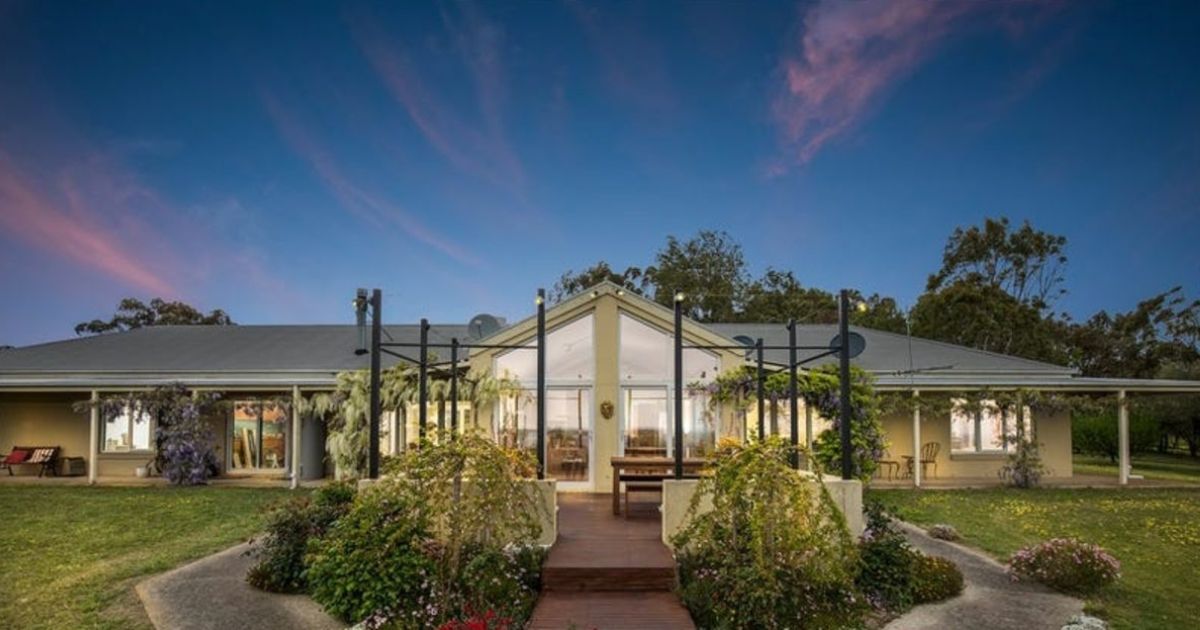
HIA anticipates a year of housing recovery

HIA senior economist Tom Devitt said Australia's housing recovery was anticipated to continue in both detached housing and multi-unit construction from this year onward. Photo: LINKEDIN


AUSTRALIA’S home building industry is expected to strengthen through this year, supported by gradually improving building approvals and a recovery in demand.
However, the Housing Industry Association (HIA) believes the pace of growth will ultimately depend on how quickly interest rates can fall further.
Earlier this week, HIA senior economist Tom Devitt said new data on building approvals and inflation, released today, provides an important signal for the housing market as it enters 2026.
“Building approvals are the clearest leading indicator of future home building, and they have been gradually rising over the past year as the cash rate fell.
“Building approvals data shows activity has been strengthening over the last couple of years, including a 10.1 per cent increase in house approvals in the last three months compared to the same quarter two years earlier, and a 36.4 per cent increase in multi-unit approvals over the same period.
“We expect approvals to continue trending upward, which should translate into higher levels of home building activity through 2026, particularly once the impact of earlier rate cuts flows through to construction starts.”
He said the recovery was anticipated to continue in both detached housing and multi-unit construction from this year onward, following several years of subdued activity, especially in apartments.
“After nearly a decade of underbuilding, the foundations are finally being laid for a broader housing recovery in 2026.
“Strong population growth, rising established home prices and an improving approvals pipeline are all pointing toward higher levels of home building over the next few years.
“While the price of land and taxes on housing are the key determinants of the number of homes to be built this year, inflation also remains a risk to a faster recovery in home building.
Devitt noted the trimmed mean consumer price index for November had an annual rate of 3.2 per cent, indicating further rate cuts would be delayed.
“A few recent surprises to electricity and rental prices lifted the annual rate of inflation above the RBA’s 2 to 3 per cent target,” he said.
“Property rates have also been accelerating, with each of the last five annual increases larger than the last, increasing by a further 6.2 per cent in 2025.
“There have also been recent pressures in other items like water and sewerage utilities and government excise taxes.”
Price pressures have eased from their peak and many of the upward surges have been driven by temporary factors, such as the timing of electricity rebates or domestic holiday activities.
“Nonetheless, CPI inflation is likely to remain elevated in the near term and the RBA is on the lookout for any signs of underlying inflation being reignited,” Devitt said.
“The rate cuts delivered in 2025 provided an important tailwind for housing demand and approvals.
“But without further easing in borrowing costs, the recovery in home building will be more gradual than Australia needs, given the scale of the housing shortfall.”
According to HIA estimates, Australia remains short of its housing needs by close to two million homes, with population growth continuing to outpace new supply.
“This is the central challenge facing the housing market in 2026,” Devitt said.
“A constrained supply of new homes is adding to upward pressure on rents, prices and inflation itself, which in turn feeds back into higher interest rates.
“It is particularly counterproductive that the shortage of housing supply is putting pressure on inflation and interest rates, further impeding new home building.”
Share


Related Articles
All genuine offers considered: 40 Wood Road, Bellbrae
THE owners are committed to selling, presenting an exceptional chance…
Iconic character on about 981sqm: 21 Aberdeen Street, Newtown
WITH the rare advantage of rear lane access and excellent…