Emerging academic celebrated for research
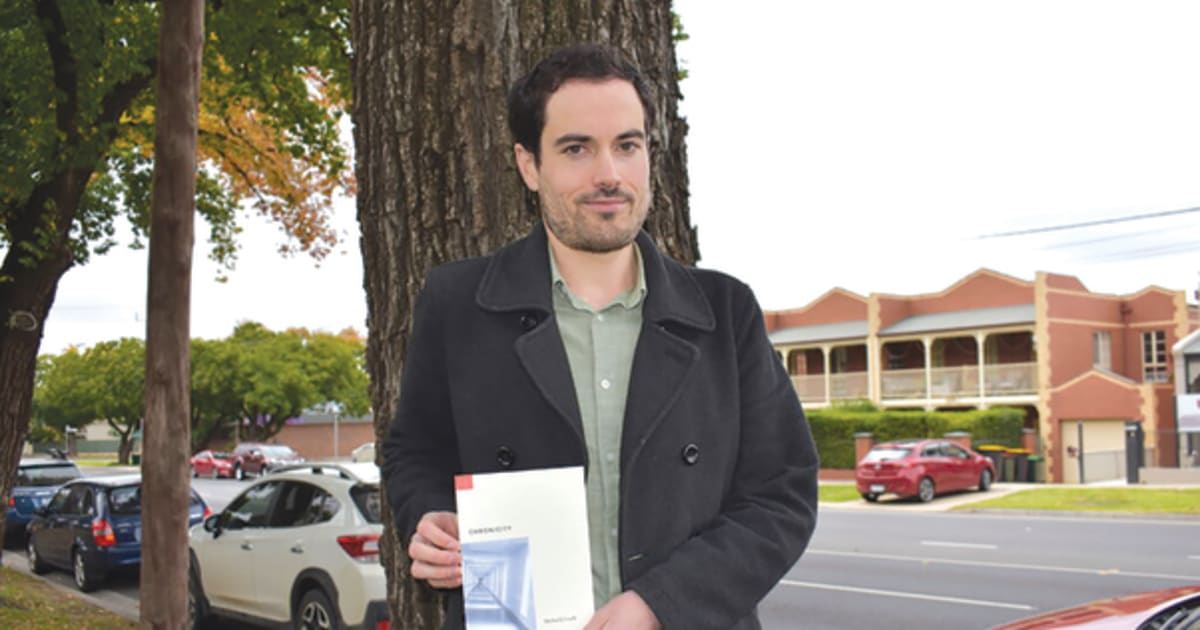
Dr Michael Leach said receiving the 2026 MRH Early Career Research prize has helped to alleviate his imposter syndrome and bolster his self-confidence as a researcher. Photo: Katie Martin/file.


MONASH Rural Health (MRH) senior lecturer Dr Michael Leach has been awarded the $3,000 2026 MRH Early Career Research prize for his significant contribution to rural health research.
Dr Leach started at MRH in 2020 and during his time at the clinical training and teaching site he has published 26 peer-reviewed research papers with colleagues across the Loddon-Mallee and Gippsland regions.
Almost two-thirds of the papers focused on rural populations, with his findings leading to improvements in rural clinical practice and informing the implementation of an oral anti-cancer care clinic in Gippsland.
Dr Leach said he would use the prize money to help develop a patient resource and publish or present project findings.
“These research activities are all about getting information to patients who need that information and to those who could use that information to improve rural health services and the health of rural communities,” he said.
“I saw this prize as a unique and wonderful opportunity for my collaborative research to be formally recognised and further supported.
“(It) will help me increase the reach and real-world impact of my current research.”
Dr Leach said the win had also boosted his confidence as he approaches the transition from early-career to mid-career researcher.
“While I have previously co-won prizes for delivering industry education at Monash University, this is the first time I have won a research prize since commencing in my current role,” he said.
“Receiving this prize has helped to alleviate imposter syndrome and bolster my self-confidence as a researcher.”
MRH director of research Professor Belinda O’Sullivan said he has “demonstrated an outstanding ability to collaborate” across health research projects.
“Michael…has executed complex analyses around community pharmacies and access to orally administered anti-cancer medications with rigour,” she said.
“We are delighted to award this year’s prize to Michael.”
Share


Related Articles
Illegal Mandurang burnoff earns four-figure fine
CIVIL and construction contractor McKern Contracting Pty Ltd has been…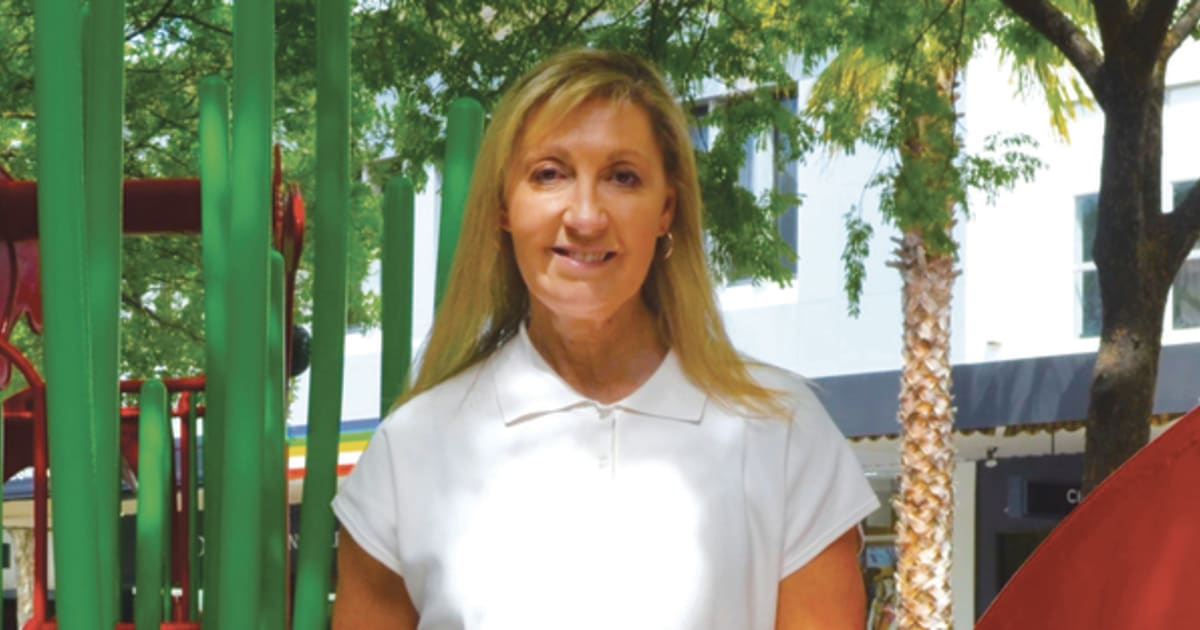
Careers conversations over a cuppa
JOB seekers will have the opportunity to meet local employers…