A region in transition
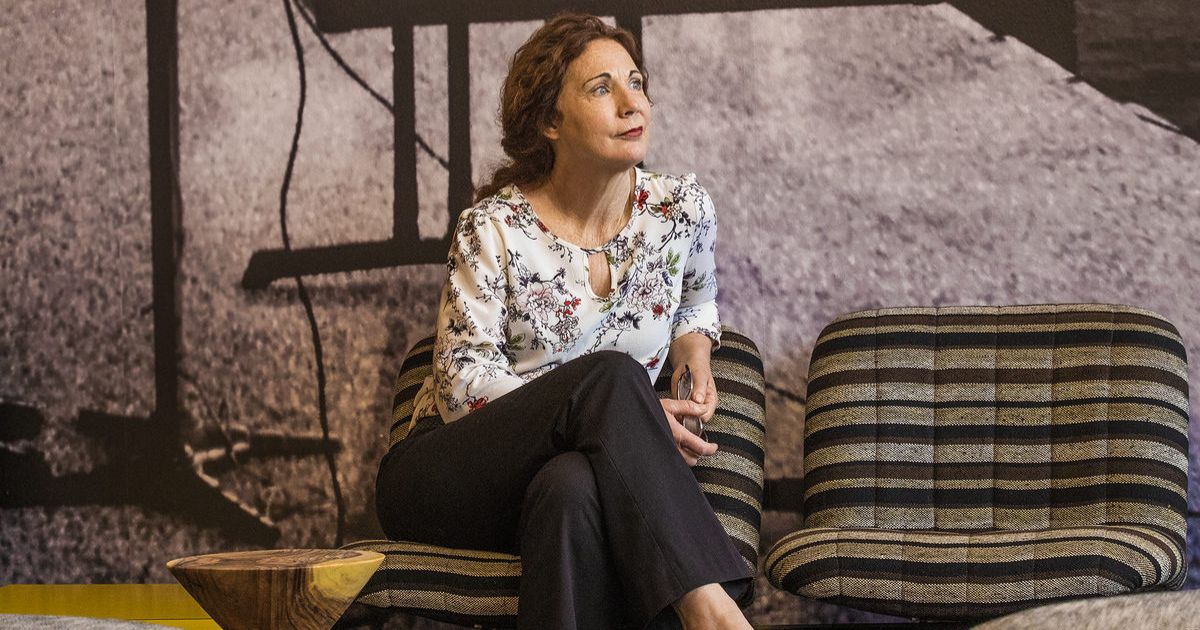
Tweed Shire mayor Chris Cherry says the region is entering a defining period shaped by housing pressure, climate impacts and long-term change. Photo: DAVID COPE


In the first instalment of our Mayors of the Northern Rivers series, Tweed mayor Chris Cherry reflects on housing pressures, community resilience and the challenge of helping one of Australia’s fastest growing regions adapt to a future shaped by climate change and constant change.
The Tweed is entering what Mayor Chris Cherry describes as a defining period, shaped by housing pressure, climate reality and a community learning how to live with constant change.
Speaking after the first council meeting of the year, Cherry said housing would remain the dominant issue in 2026, but the challenge went beyond supply and approvals.
“You see it impacting everyone and everything,” she said.
“You see it affecting families, businesses and the way people feel about the place they live.”
Cherry described the current moment as a “perfect storm”, driven by years of constrained supply, repeated flooding and the growth of short term holiday letting in a region that has become increasingly popular with visitors and new residents.

For Cherry, the problem is not a lack of planning but the gap between long term strategy and what actually reaches the ground.
“We can plan all we like,” she said.
“But if there’s no mechanism to make housing come to market, then what’s the point.”
She said the pressure was forcing the Tweed to confront changes that had long been resisted, particularly around density and growth along the coast.
“We know we need places for our kids to live and for our workers to live,” Cherry said.
“That means accepting that parts of the Tweed are going to look different to how they used to.”
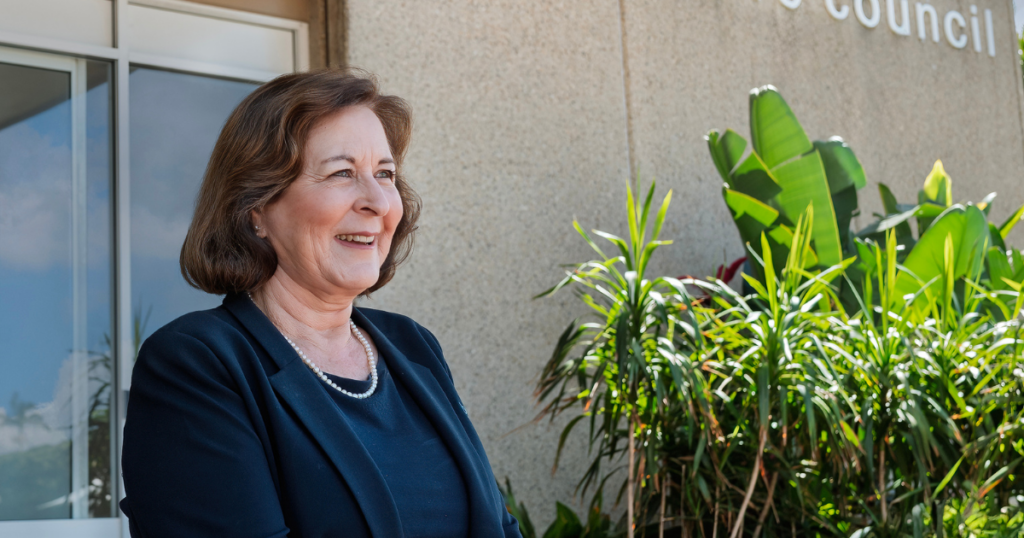
Cherry said Tweed Heads, in particular, was in a transitional phase, with higher density already planned and slowly taking shape, even as sections of the community continued to push back.
“It hasn’t traditionally been Tweed’s thing,” she said.
“But this was a decision the community made years ago, and people have bought in knowing it’s coming.”
While much of the housing conversation centres on the coast, Cherry pointed to Murwillumbah as an example of the kind of community resilience she hopes can be strengthened across the shire.
She said repeated floods had shaped a collective mindset in the town, where neighbours checked on each other and recovery was treated as a shared responsibility.
“We know it will flood,” she said.
“We know how to respond, how to clean up and how to get on with it.”

Cherry said that sense of togetherness was harder to sustain in more fragmented coastal communities, where anger and frustration had grown after years of disasters, rising costs and social media driven blame.
“People are struggling mentally and financially,” she said.
“There’s a lot of frustration out there, and council often becomes the place it all gets directed.”
She said one of her priorities for the year ahead was finding ways to rebuild connection as well as infrastructure, supporting events and spaces that brought people together outside times of crisis.
“When you know your neighbours, you’re stronger,” Cherry said.
“You look out for each other, and that matters more than ever.”
Cherry said she remained hopeful that progress on housing would follow, but believed the bigger task was helping the Tweed adjust to a future shaped by growth, climate pressure and constant change.
“We can’t stop it coming,” she said.
“But we can decide how we live with it, and whether we face it together.”
Share


Related Articles
Gordon Ramsay-trained chef Elizabeth O’Brien takes over at refurbished Crystalbrook Resort restaurant
SHE honed her skills at the local RSL and worked…
Tumbulgum’s century-old hall stands strong after repeated floods
MORE than a century after locals built Tumbulgum Hall, the…