Chasing waves and a place on the world stage
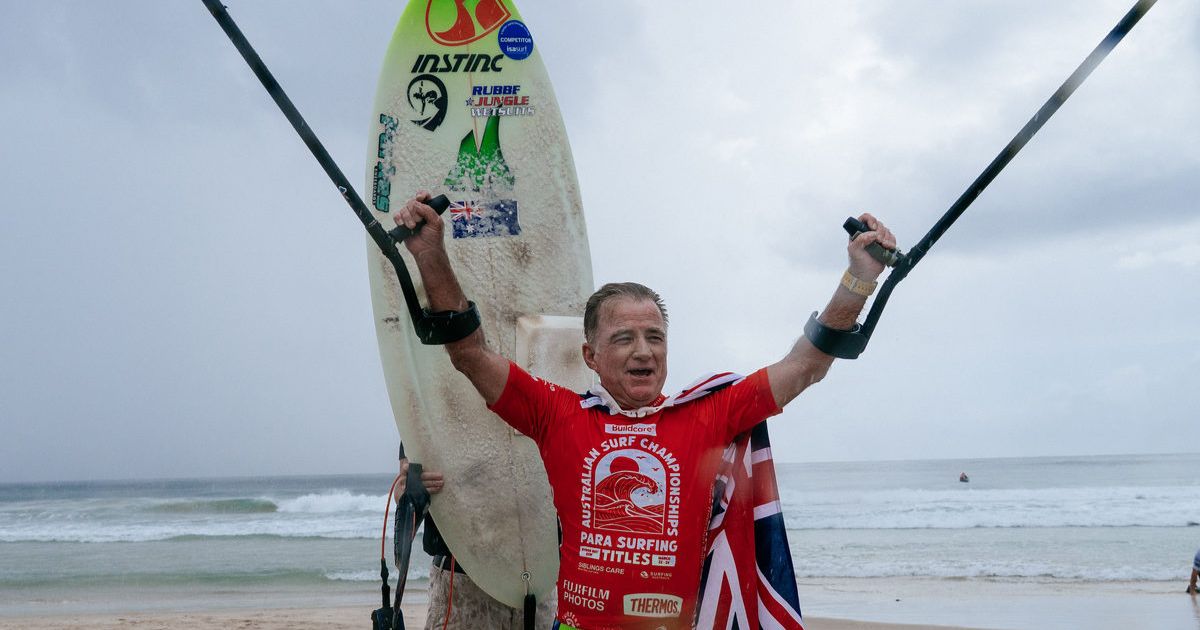
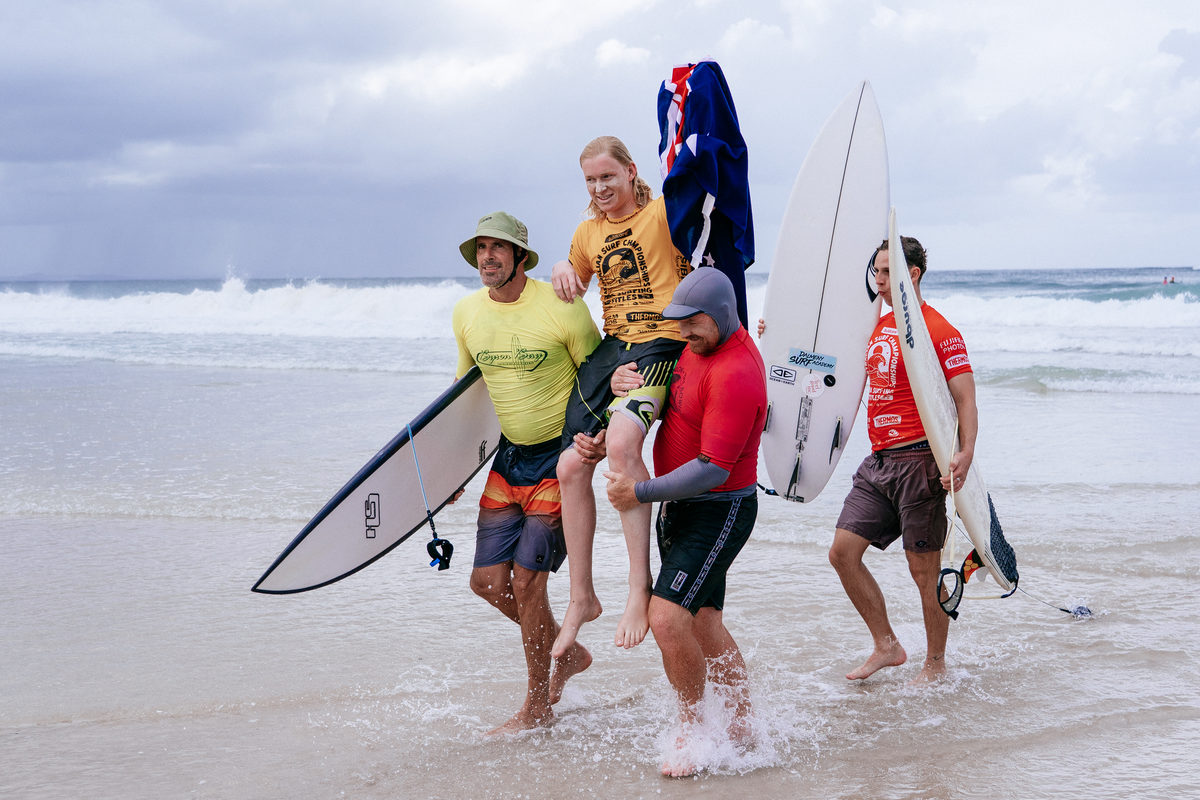
Mark “Mono” Stewart celebrates after winning his division at the Australian Para Surfing Titles in Byron Bay. Photo: Surfing Australia.


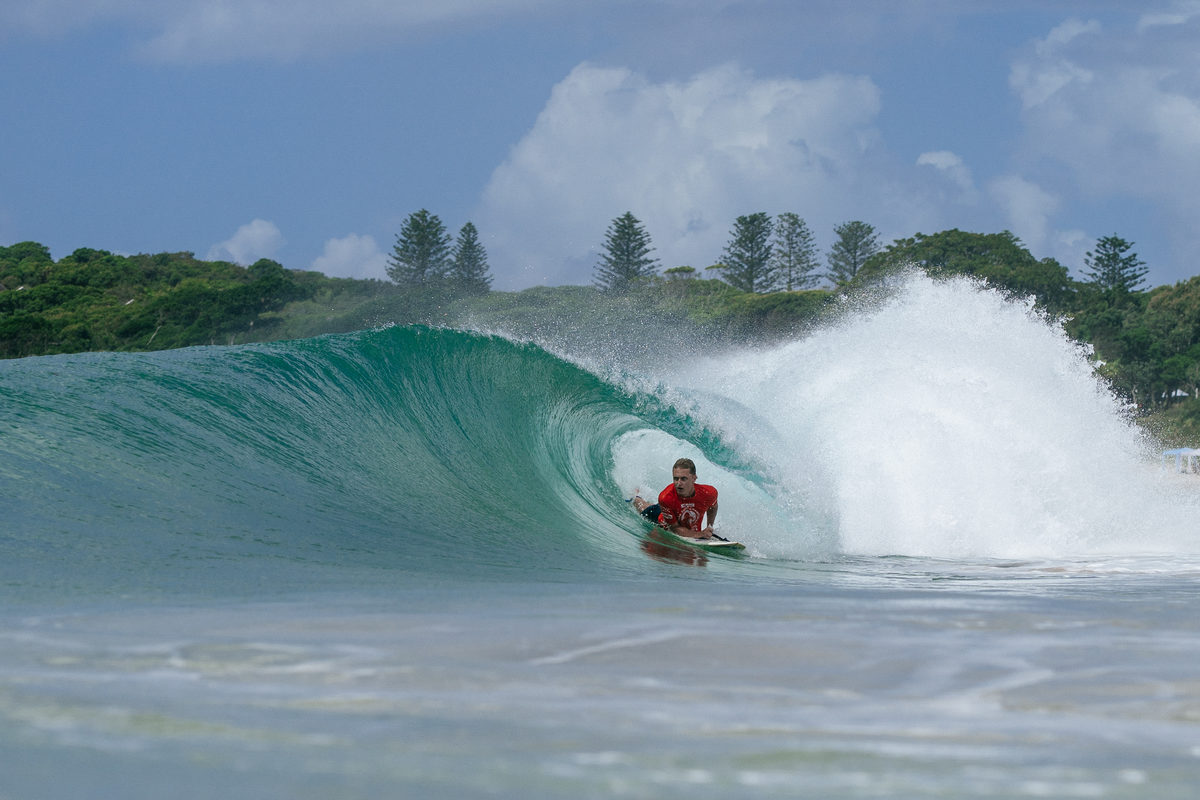
ELITE adaptive surfers from across Australia and overseas have descended on Byron Bay this week for a major run of competition that organisers hope will strengthen the sport’s campaign for Paralympic inclusion.
The BrightSky Australian Pro Adaptive Surfing Championships and Australian Para Surfing Titles form the opening leg of the international Adaptive World Tour, bringing together national championship heats, elite international competition and community participation events along the region’s coastline.
Behind the scenes, International Surfing Association head of classification Dr Maureen Johnson has helped shape the system that now underpins adaptive surfing competition worldwide.
Her involvement began more than a decade ago while travelling the junior surf circuit with her daughters, when she noticed athletes with very different physical and visual conditions competing in the same heats.
“It wasn’t fair,” she says. “In one heat you’d have someone with a spinal cord injury, an amputation and someone who was blind.”
Johnson, an occupational therapist and Associate Professor at the University of St Augustine for Health Sciences in San Diego, California, began researching classification systems used in other Paralympic sports before working with occupational therapists, physiotherapists and adaptive athletes to develop a framework tailored specifically to surfing.
The system now divides competitors into nine sport classes based on how their impairment affects performance, including standing divisions for surfers using prosthetics, kneeling, prone categories for athletes with high support needs, and vision divisions for blind and low-vision surfers.
“When the system is working, it’s really working,” Johnson says. “The impairments stay the same relatively, but athletes are winning because of their training, nutrition and coaching.”
Competition in Byron Bay is being staged under a flexible mobile format designed to prioritise safety and performance, with infrastructure packed down and relocated to chase the best available surf conditions.
Alongside elite heats, organisers are running free come-and-try sessions aimed at encouraging more people with physical disabilities to experience surfing for the first time.
The week is also being used to train new classifiers as part of preparations for a renewed bid to include para surfing in the Brisbane 2032 Paralympic Games.
Earlier hopes of inclusion at the Los Angeles 2028 Games fell short after organisers cited logistical challenges.
“Para climbing can just go into a building,” Johnson says. “We need a beach, lifeguards and the right swell conditions.”
Venue debates also shaped the outcome.
“They wanted it at Huntington Beach, but we wanted it at Trestles,” she says.
Johnson says there remains an ongoing discussion about whether Paralympic competition should be staged in wave pools or in the ocean.
“Many suggest wave parks because they’re predictable,” she says. “But surfers want it in the ocean because that’s natural surfing.”
Attention has now shifted to building the strongest possible case for Brisbane, with governing bodies focused on demonstrating that adaptive surfing’s classification system and competition structures meet international standards.
Para surfing was the first para sport to submit the classification code to the Paralympic Committee.
“They’ve gone through our system with extreme detail,” Johnson says. “To be part of Brisbane all para sports have to be code compliant.”
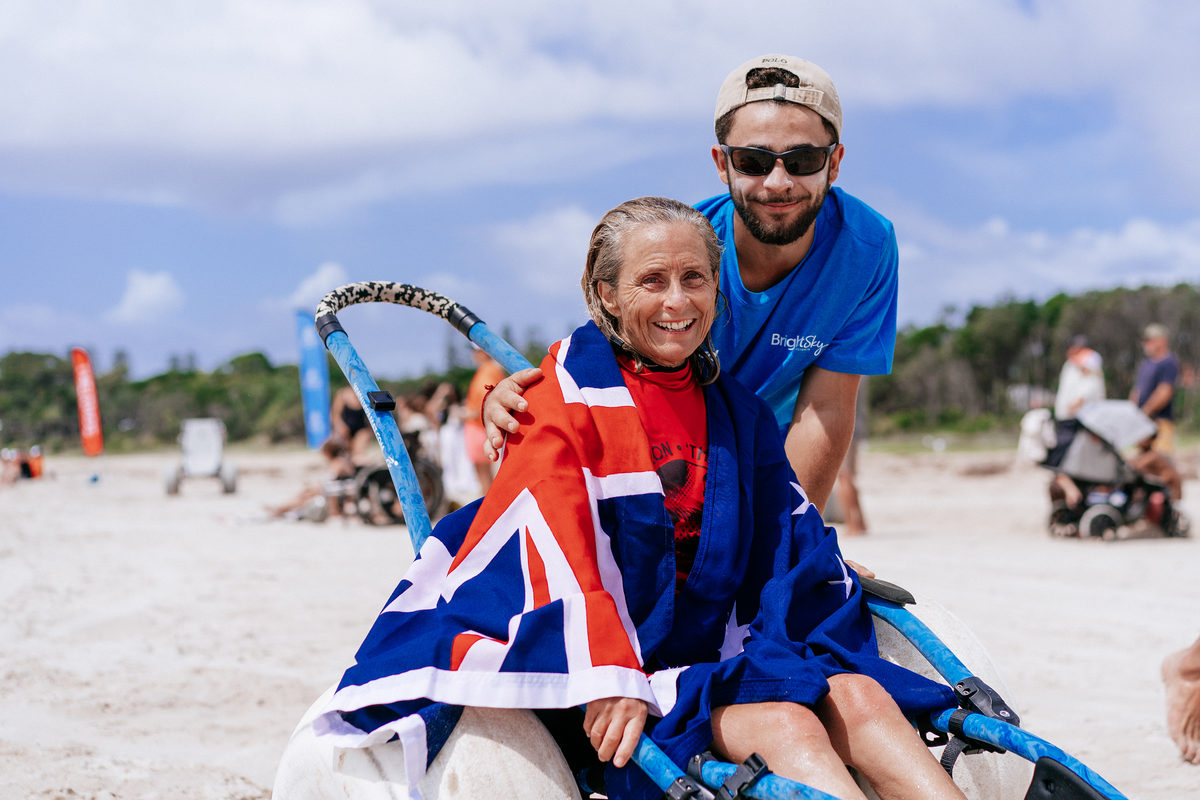
On the competitive side, the championships have attracted some of the sport’s most recognisable figures, including Byron local and six-time world champion Mark “Mono” Stewart, as well as high-support prone competitors Jesse Billauer and Jose Martinez.
The week has already produced national champions, with the Australian Para Surfing Titles wrapping up earlier before competition shifted to the international BrightSky event.
Four-time world para surfing champion Sam Bloom was among the division winners and has returned to Byron Bay for the international competition, describing the atmosphere around adaptive surfing as one of its defining strengths.
“Adaptive surfing is about freedom and possibility, which I discovered first-hand after sustaining a spinal cord injury,” she says.
“One of the best parts is the support and camaraderie among the adaptive surfers, who have all had to overcome insurmountable challenges to reconnect with the ocean.”
“Come and watch.
“Be a part of it or volunteer. If you are an occupational therapist, physiotherapist or doctor, and you surf, consider becoming a medical classifier in para surfing.
“The Aloha spirit is incredible.”
Share


Related Articles
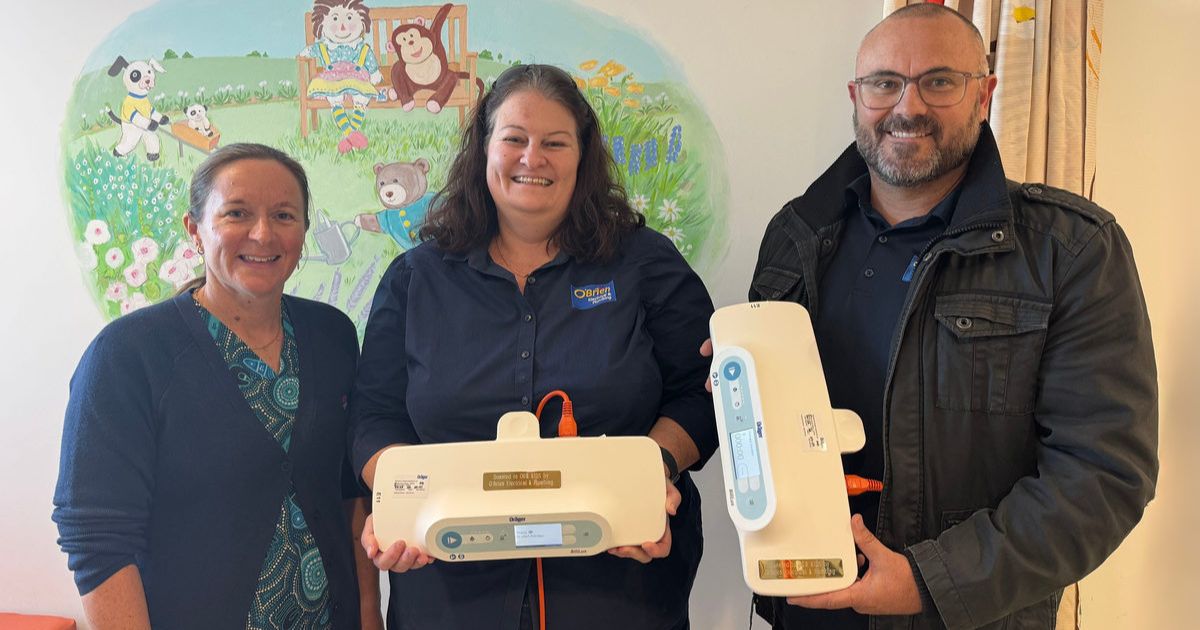
Children’s Ward receives new phototherapy lights
LISMORE Base Hospital’s Children’s Ward has received two new phototherapy…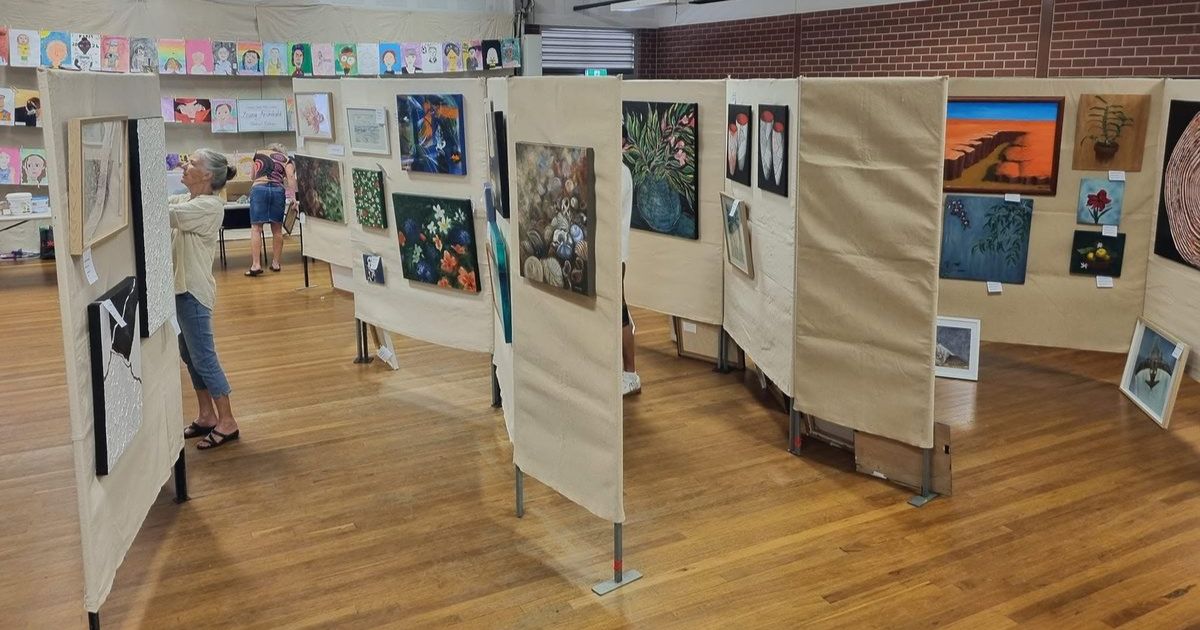
Art exhibition to highlight end of an era at town and gown event
THE annual Lennox Head Lions Town and Gown Art Exhibition…