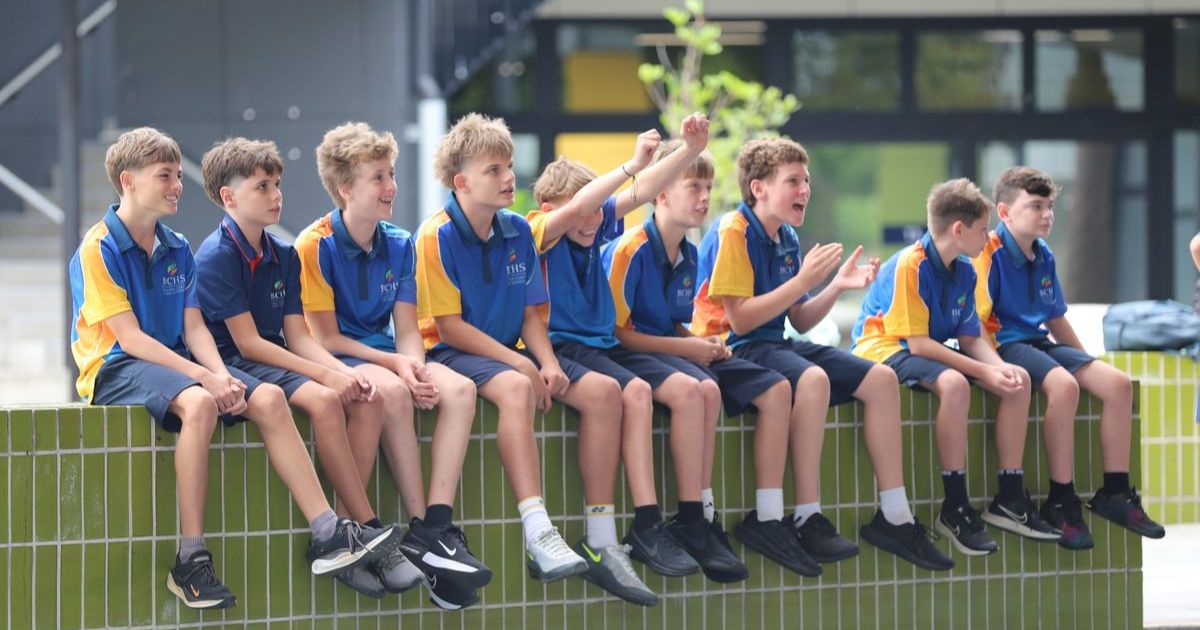
Collaboration helping Northern Rivers public schools prepare students for the future


STUDENTS across the Northern Rivers are benefiting from a growing culture of collaboration that is reshaping public education, with schools working together to strengthen transitions from one school to another, broaden opportunities for students and better prepare young people for an increasingly complex future.
The Wollumbin Principals Network brings together 21 public schools stretching from Coorabell to Brunswick Heads and following the Tweed Valley through to Murwillumbah.
The network includes both primary and high schools, with principals and staff working together to support students from their preschool years through to life beyond school.
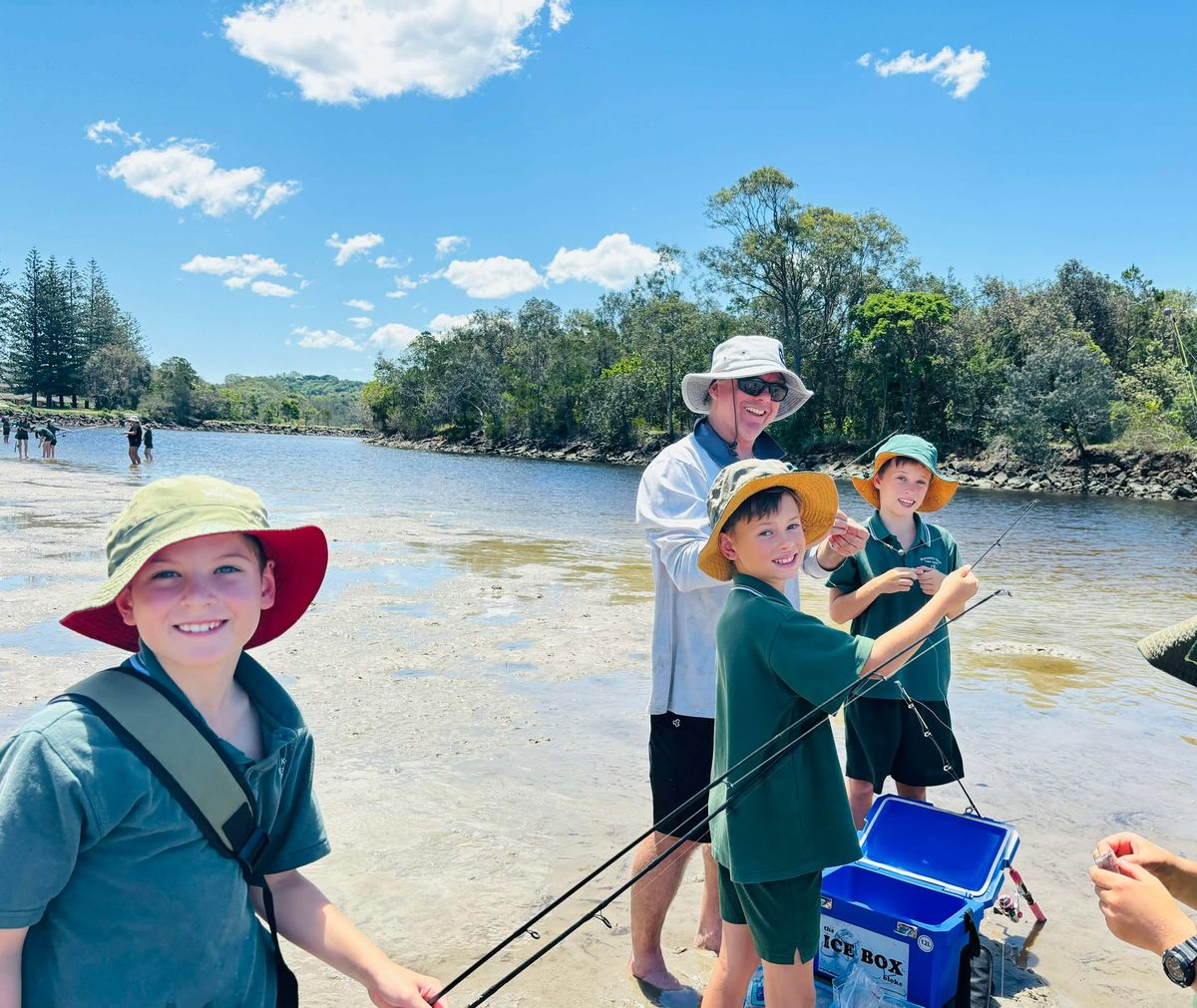
As public schools across New South Wales prepare to celebrate Public Education Week, this year’s theme, Inspiring Excellence, underscores the network’s emphasis on ensuring every student has the opportunity to succeed.
Director of Educational Leadership for the Wollumbin Principals Network, Chris Bice, said the partnership between schools was designed to ensure every student had the best possible pathway through their education.
“We’re really focused on knowing each of our children,” he said.
“Developing individual education plans for each child that enters into our school system, and then providing really smooth transition at different points through their schooling.”
Bice said those transition points included the move from preschool to kindergarten, year 6 to year 7, and later into senior secondary school, where students began making decisions about subjects and career pathways.
He said education had changed significantly in recent years, with schools recognising there was no longer a single pathway to success after graduation.
“I think we’re recognising that the traditional academic HSC is not the only pathway for our students,” he said.
Bice said schools had traditionally been designed for the industrial age, but education in 2026 was focused on preparing students for a rapidly changing workforce.
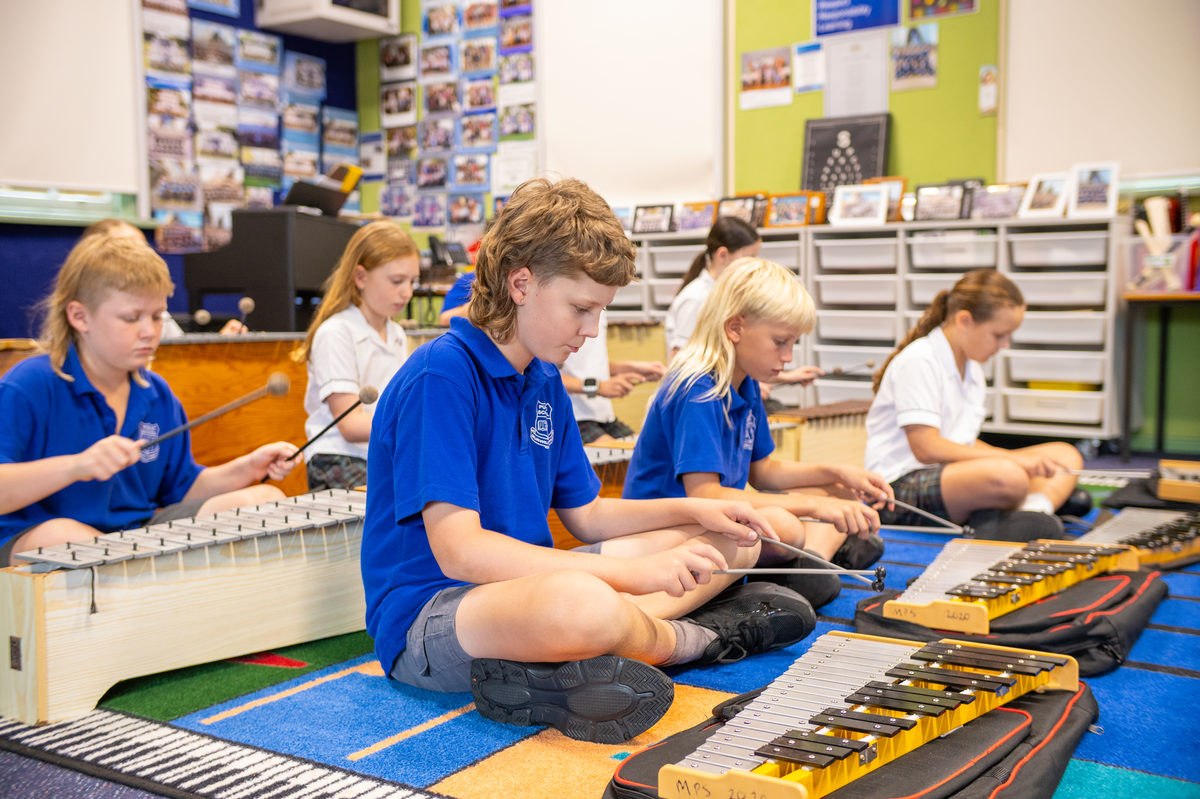
“We’re preparing our students for a workforce where they may have five, six, seven different jobs, rather than just leave school and be in the one job for the rest of their careers,” he said.
Bice said the NSW Department of Education had also invested heavily in high potential and gifted education, focusing not only on intellectual ability but also creative, physical, social and emotional development.
“We’re working with students and their families to see what makes each child special and then helping garner their education so that it capitalises on that and allows them to build their skills in those spaces,” he said.
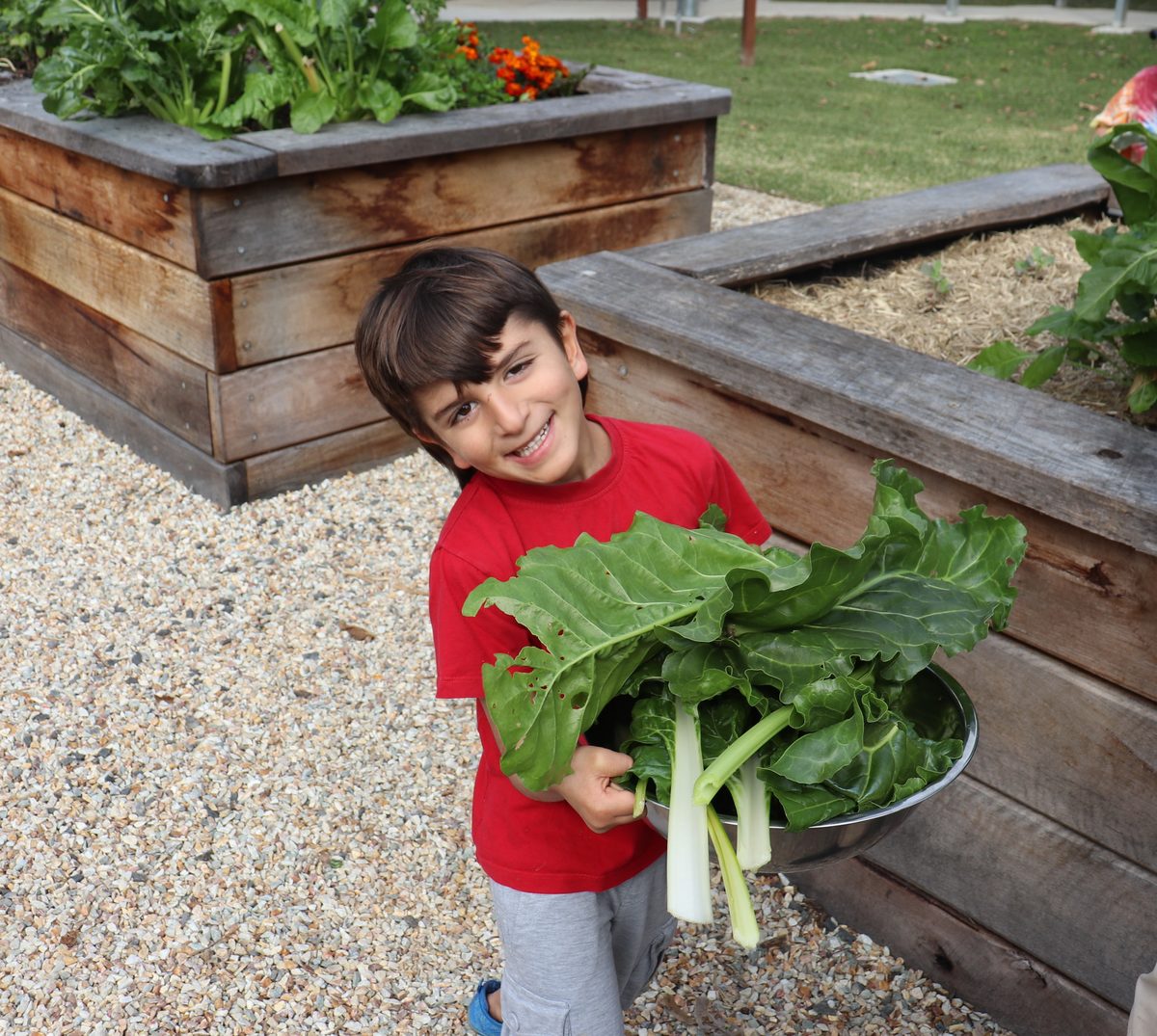
Collaboration also improves opportunities for students in smaller regional communities, with Bice citing STEM days, sports carnivals, performing and creative arts events and dance festivals, as moments for students from different schools learn and perform alongside one another.
He said schools are also increasingly using online platforms to connect students and teachers, allowing specialist programs and creative collaborations to continue throughout the year rather than only when students meet face to face.
He said the approach reflected a broader commitment to ensuring geography did not determine educational opportunity.
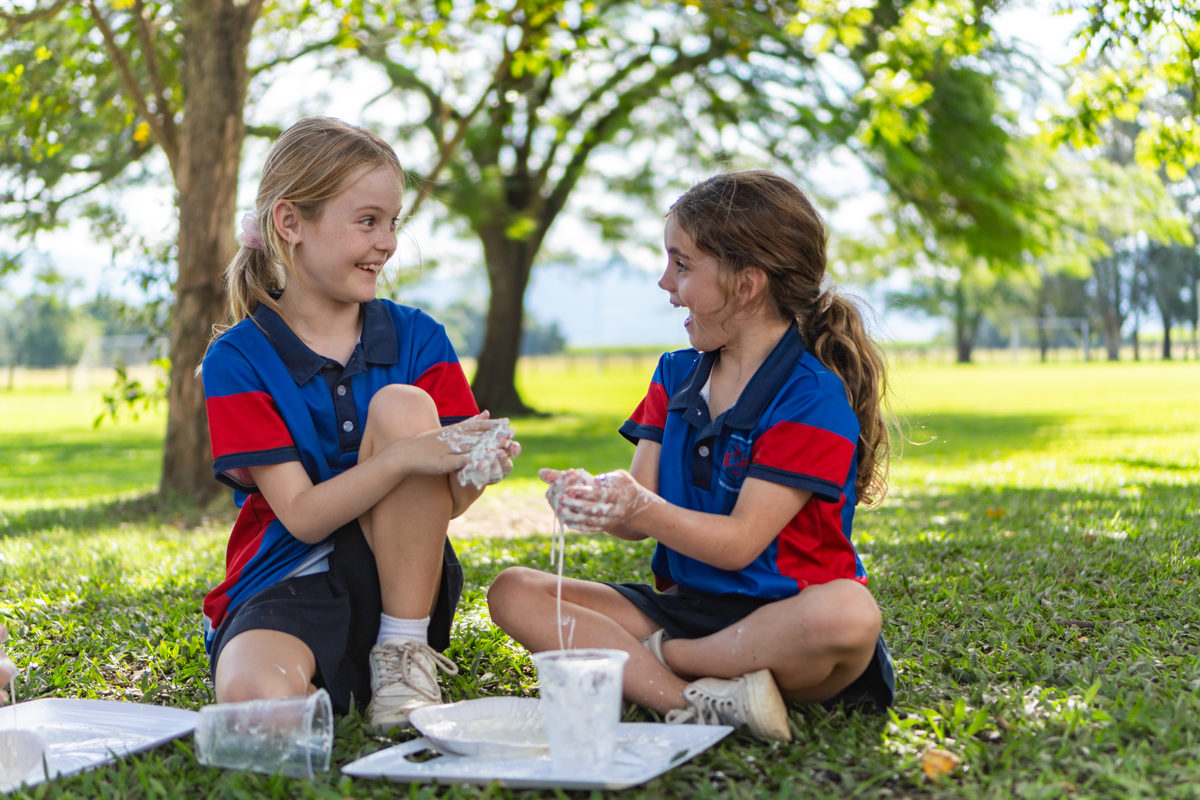
“We’ve got a plan for public education that’s been running since 2024 through to 2027,” he said.
“And it’s driven by a pursuit of equity for excellence, so what that’s basically saying is we want every child, regardless of their postcode, to have access to quality education.”
Bice said the network continues to focus on improving literacy and numeracy through explicit teaching while also increasing student voice and ensuring young people had greater influence over their own learning.
“We want every student to realise their potential,” he said.
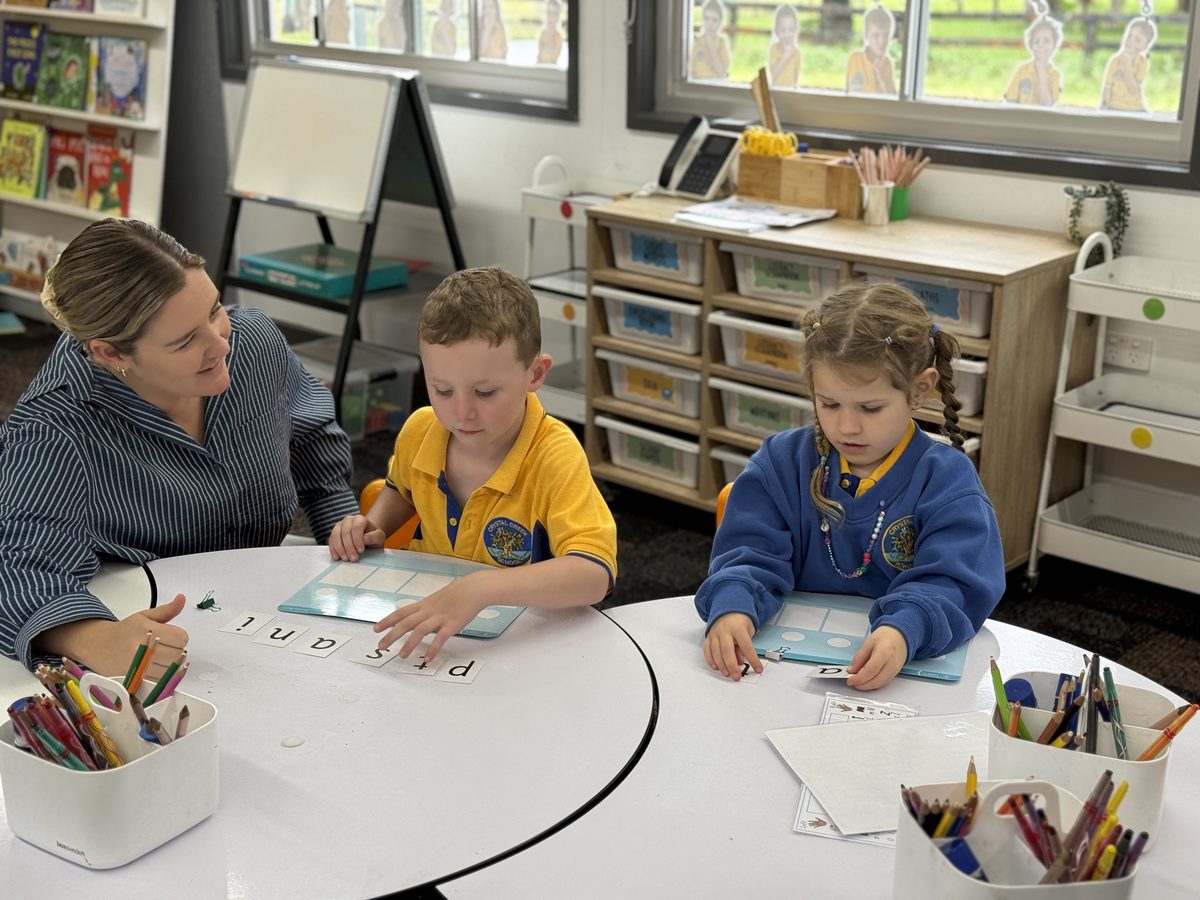
“Instead of just having students have a voice, have them actually have some agency and that voice actually make a difference in the operations of their schools.”
Bice said he believes public education is thriving across Wollumbin and the Tweed Coast.
“There’s 21 schools in Wollumbin, there’s 19 in Tweed and we have really good collaboration across all of those schools,” he said.
“So, as a result, we’ve got a lot of knowledge, a lot of expertise and a lot of skills so that we provide the best opportunity we can for our young people.”
//SPONSORED CONTENT
Share


Related Articles
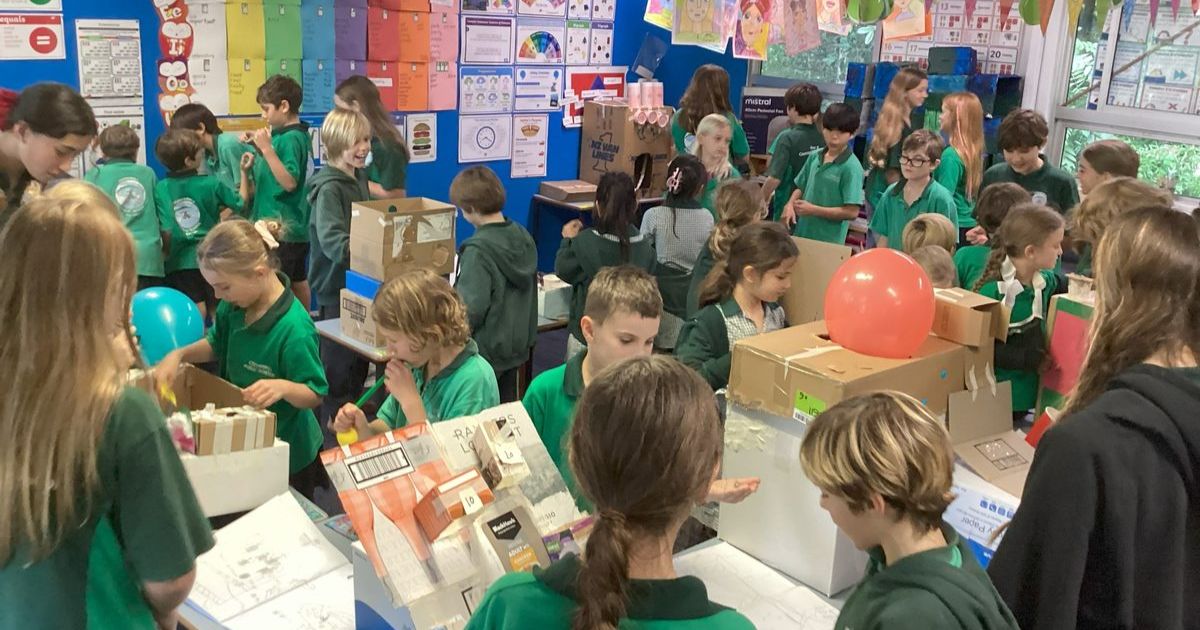
Innovative learning in action: students turn theory into hands-on success
AT the heart of education lies the power of hands-on…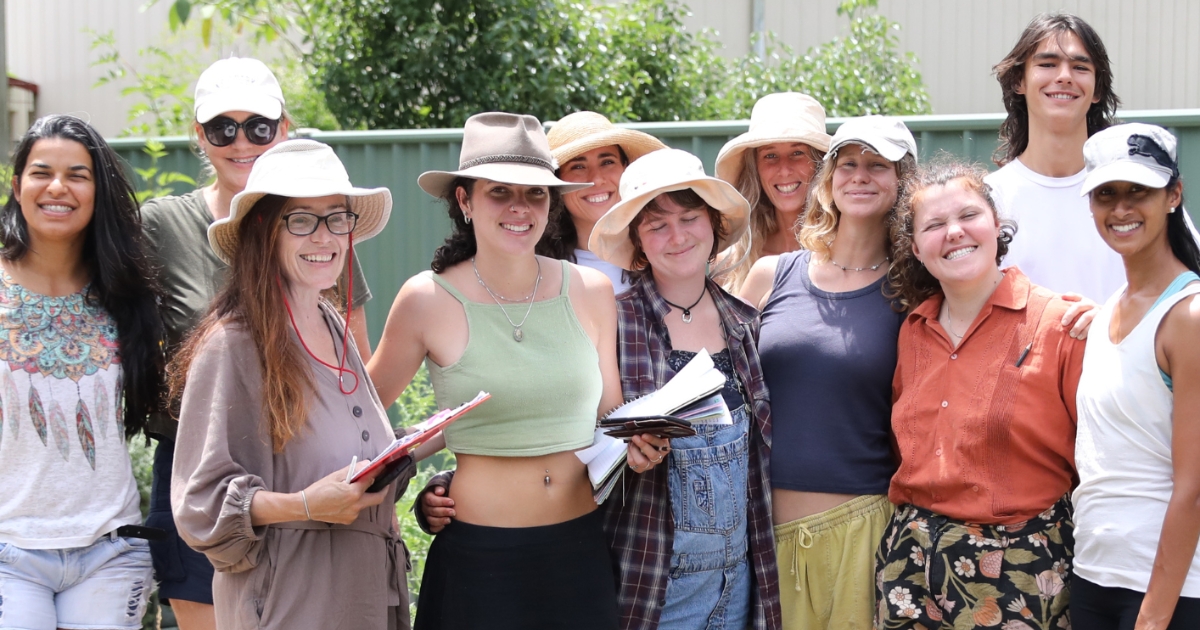
Where learning opens doors
FOR more than 30 years, Byron Community College has been…