Interest rates and housing dominate Business NSW breakfast
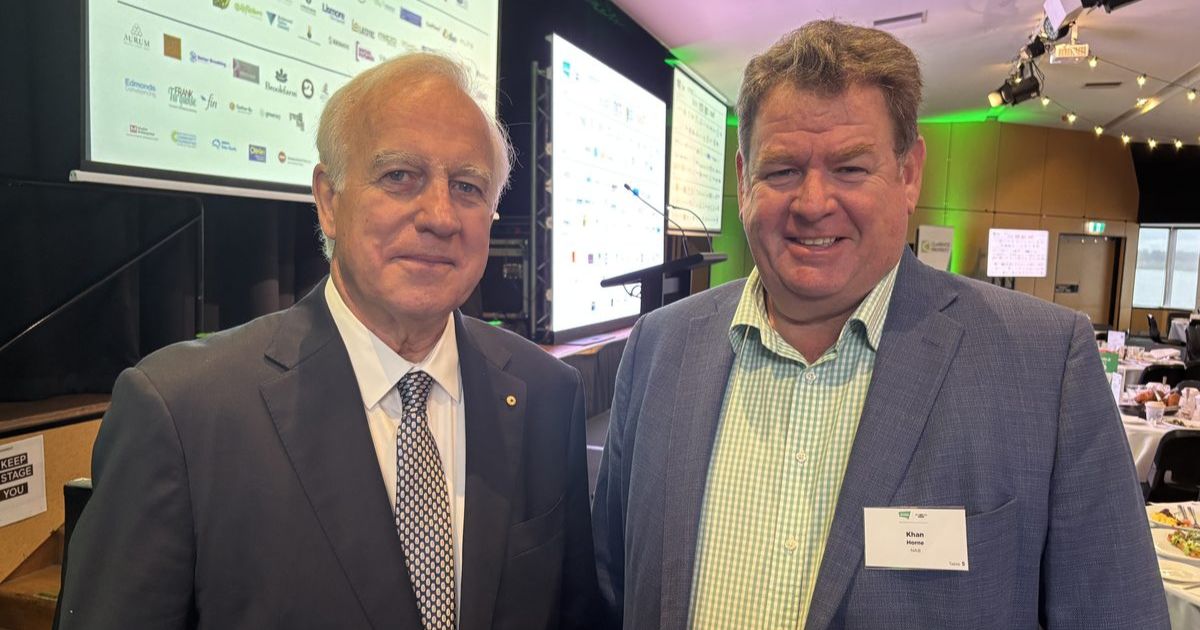
L-R: Financial journalist Alan Kohler with Khan Horne from NAB at the Business NSW Northern Rivers Economic Breakfast.


RISING interest rates, housing affordability and workforce shortages dominated discussion at Business NSW Northern Rivers’ fourth annual economic breakfast in Ballina.
The event was run in partnership with Clarence Property at the Ballina RSL Club and drew a strong crowd of local business owners, managers and emerging leaders.
Keynote speakers included financial journalist Alan Kohler and National Australia Bank chief economist Sally Auld, who outlined Australia’s economic outlook and what it means for regional communities.
Attendees also heard region-specific perspectives from Healthy North Coast director primary health programs & partnerships Luke Elias and Business NSW head of economics Nathan Wallwork.
Business NSW Northern Rivers regional director Jane Laverty said the breakfast continues to play an important role in connecting business, industry and government.
“It was jam-packed with great conversations and it’s a real kick-starter event for us at Business NSW in the Northern Rivers,” she said.
“Everyone loved Alan and all our speakers; it was a great event for local business and industry.”
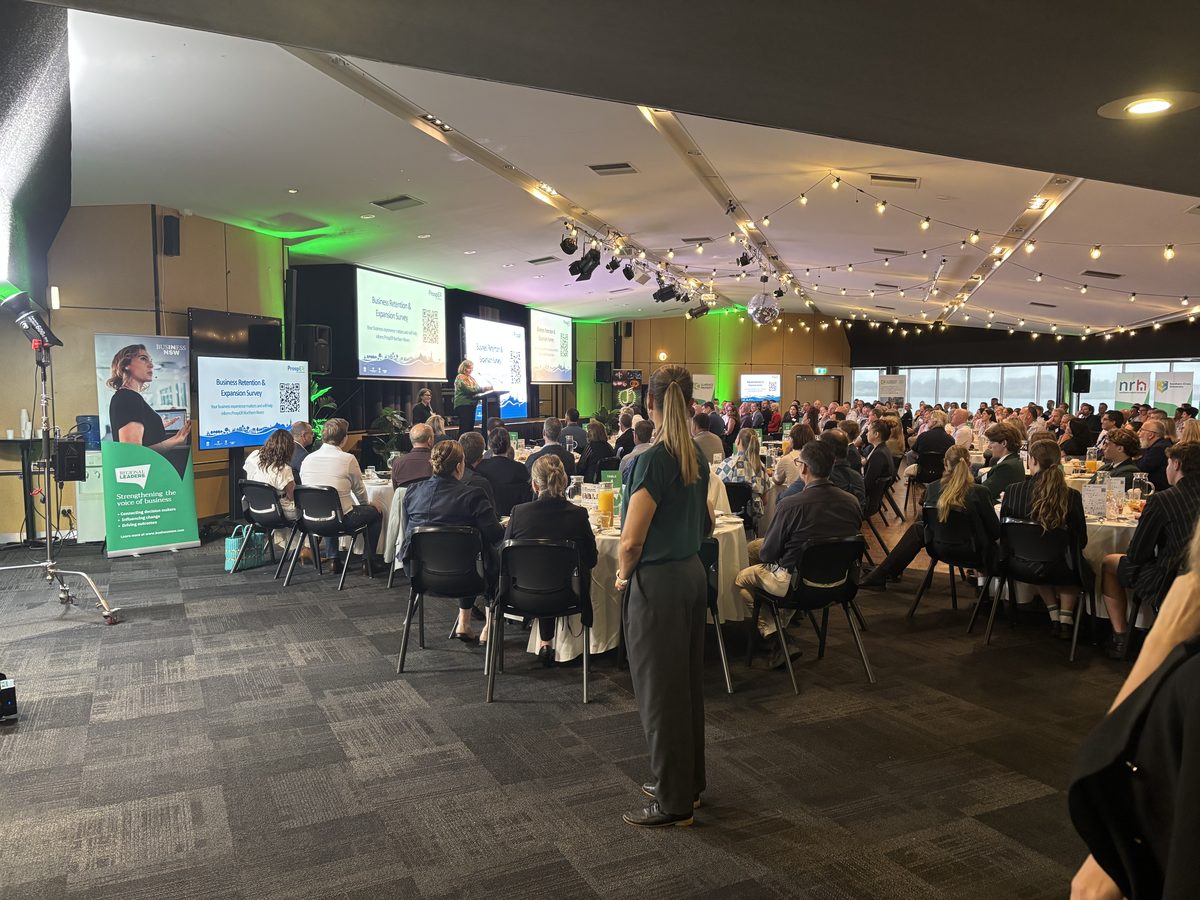
Laverty said the timing was particularly relevant as many businesses assess their outlook for the remainder of the year amid ongoing economic pressures.
“We know businesses are facing challenges and this is normally the time of year where they start thinking about what the rest of the year looks like for them,” she said.
“More than ever, they’re looking at interest rate increases, and this feeds into the advocacy work we do to ensure governments understand exactly what our business and industries need.”
Laverty said the presence of younger attendees highlighted growing interest in the future of business, particularly among those stepping into family enterprises.
“There is not one business in this region that I know that doesn’t invest in the community, support social cohesion and provide employment opportunities for our young people,” she said.
“We had three tables of students from local high schools studying business and economics attend as part of our regional leaders’ program, which was fantastic to see.

“They want to know what support will be available in the coming years and how they’re going to navigate things like artificial intelligence.”
In his address, Kohler focused on long-term structural challenges, particularly Australia’s housing affordability crisis and its broader economic impacts.
“The large amount of housing debt Australians carry means interest rates have a much greater impact on their lives, which in turn affects inflation, wages, employment and economic growth,” he said.
“My basic point is that since 2000, the average house price was about four times the average wage — now it’s around 12 times. That increase is changing the way Australia works and is disadvantaging young people.”
He said regional communities face additional pressures.
“Regional areas already have challenges with climate change, natural disasters and other local issues which can hold the economy back,” he said.
Share


Related Articles
Children’s Ward receives new phototherapy lights
LISMORE Base Hospital’s Children’s Ward has received two new phototherapy…
Art exhibition to highlight end of an era at town and gown event
THE annual Lennox Head Lions Town and Gown Art Exhibition…