University and wildlife group partner to address vet shortages
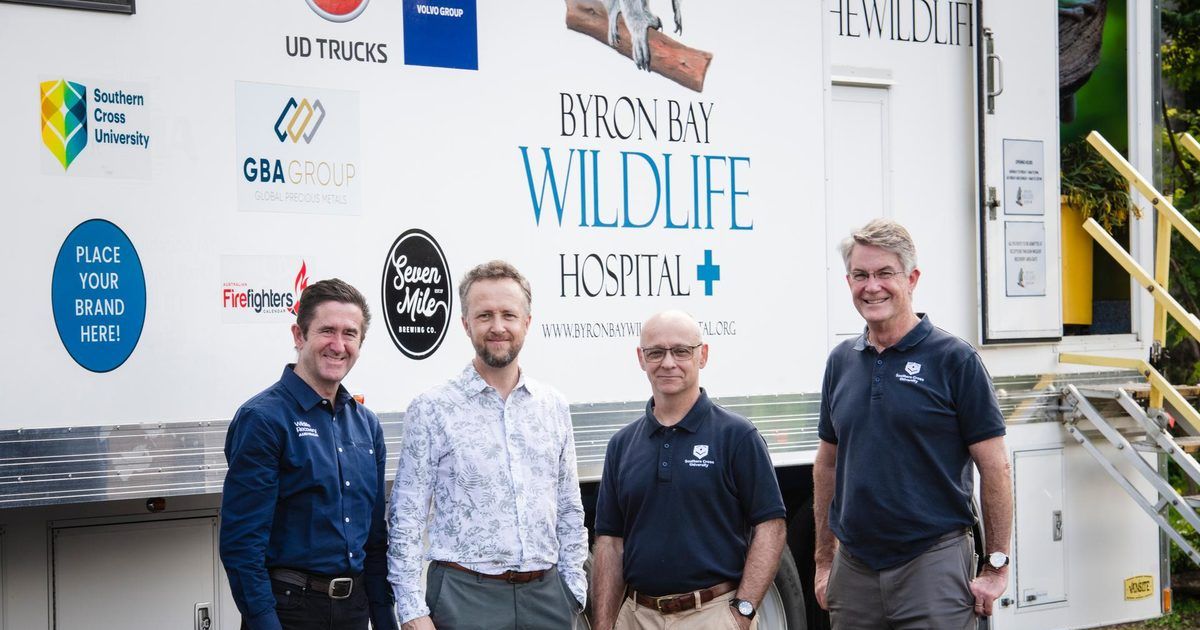
Southern Cross University has partnered with Wildlife Recovery Australia to address vet shortages. Photo: SUPPLIED


SOUTHERN Cross University has partnered with Wildlife Recovery Australia to help address veterinary shortages across NSW and regional Queensland by embedding wildlife training into its new veterinary programs.
The collaboration is expected to help ease a shortfall of about 1500 veterinarians across the two states, while producing graduates better prepared for rural and mixed-animal practice.
Through the partnership, veterinary science and veterinary technology students will receive practical wildlife training as part of the university’s new programs, strengthening the pipeline of practice-ready vets.
Discipline chair of veterinary sciences Rowland Cobbold said students would benefit from authentic clinical experience under expert supervision.
“Southern Cross veterinary technology and veterinary medicine students, through our unique distributive model, will have access to an authentic clinical training environment managed by expert wildlife vets and nurses,” Professor Cobbold said.
“Students will get direct clinical exposure to wildlife triage, treatment, surgery and rehabilitation.
These skills are increasingly vital to regional practice where vet clinics regularly treat injured native animals alongside domestic patients.”
Founder and CEO of Wildlife Recovery Australia Stephen Van Mil said demand for wildlife knowledge in general practice continued to grow.
“Wildlife are presented to general practice vets across Australia every single day. Too often the animals arrive in boxes, are triaged late, and don’t get the outcome they deserve,” Dr Van Mil said.
“Through this partnership, Southern Cross University veterinary sciences students will be among the very few in Australia to get hands-on experience with authentic wildlife cases treated at our three facilities, including a dedicated wildlife hospital at Lennox Head, the Byron Bay Raptor Recovery Centre and a mobile hospital.”
Southern Cross University has built its veterinary programs around early clinical exposure and work-integrated learning.
Veterinary technology students begin clinical training in their first year, while veterinary medicine students undertake intensive animal husbandry before progressing to clinical rotations in their third year.
“Our mission is to produce practice-ready vets, less purely theoretical and more prepared to step straight into dealing with wildlife, a variety of animals and rural practice,” Professor Cobbold said.
Share


Related Articles
Top golfers to tee off ona the Northern Rivers in hopes of qualifying for NSW Open
THE Northern Rivers will host some of the best golfers…
Students pitch ideas to council around flood technology and community support for youth week
BALLINA Shire Council hosted local high school students for a…