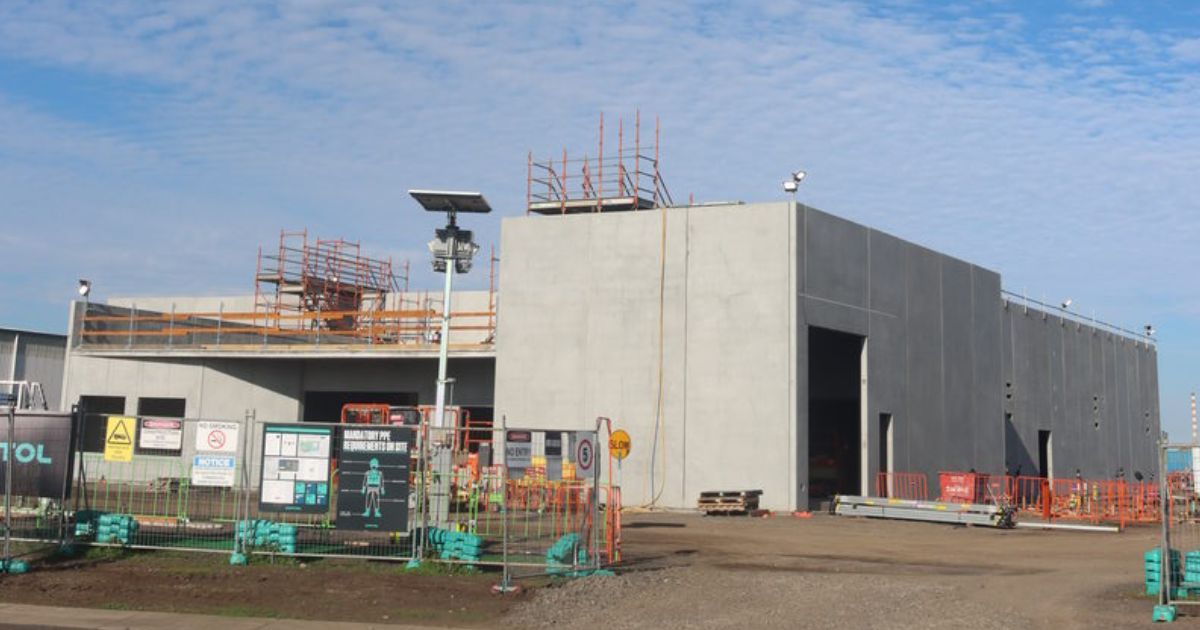
$20m boost to turn wastewater into energy
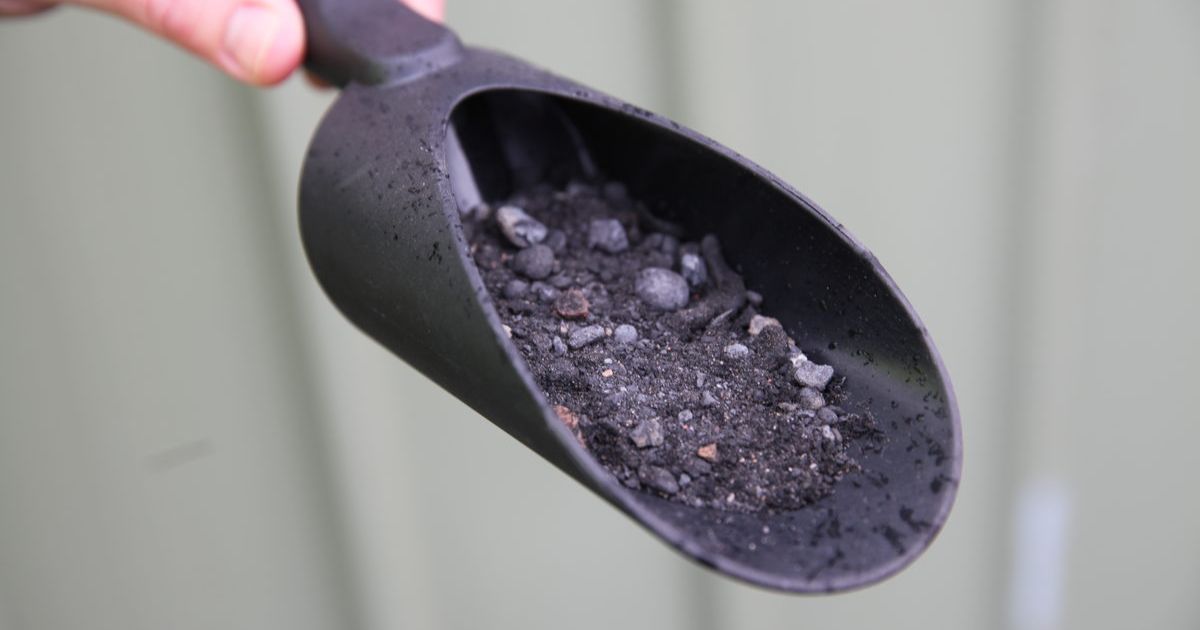
Biochar is a charcoal-like material made by heating organic waste, and is used to improve soil. Photo: James Taylor.


A $20 million federal funding boost will help turn Geelong’s wastewater into renewable energy and agricultural products, scaling up a project years in the making.
The project will take the organic material left after wastewater treatment and convert it into biogas to generate electricity. It will also be converted into biochar, a carbon-rich charcoal-like product used across the agricultural industry to improve soil and retain moisture.
It will be delivered through the Regional Renewable Organics Network, a partnership between Barwon Water, the Borough of Queenscliffe, City of Greater Geelong, Golden Plains Shire and Surf Coast Shire, and has been in development for about six years.
The funding will allow Barwon Water to test and refine the technology before moving towards a full-scale facility at the Black Rock reclamation plant, with construction planned from 2028.
Speaking at Black Rock last week, Barwon Water managing director Shaun Cumming said the volume of wastewater moving through Black Rock – about 70 million litres a day – showed the scale of what could be created.
“That’s really what’s driving the evolution of this site,” he said.
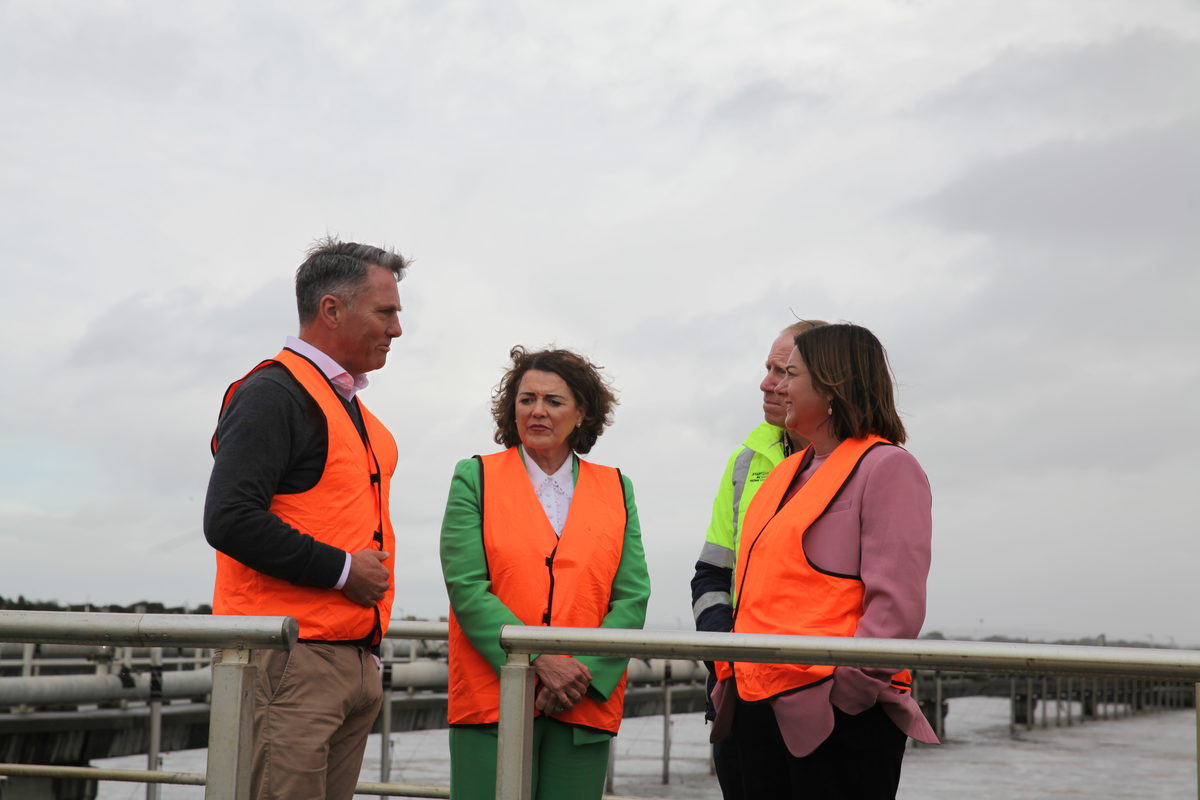
The project is supported through the federal government’s regional precincts and partnerships program.
Minister for regional development, local government and territories Kristy McBain said the funding would help expand a model with national potential.
“This is a huge investment in what will be quite an innovative process and we know that this can be replicated across the country,” McBain said. “We are investing in it because we want to see more of it.”
Deputy prime minister and Corio MP Richard Marles said the Black Rock facility treats about 85 per cent of the Geelong region’s wastewater.
“This increased local processing capacity will strengthen the region’s resilience and support future population growth and economic development,” he said.
“This is a really important product which will be able to make a much more efficient use of fertiliser.”
Corangamite MP Libby Coker said the project would reduce the amount of organic waste sent to landfill, improve renewable energy outcomes and cut emissions.
Share


Related Articles
Global aviation giant backs Avalon’s freight ambitions
AVALON Airport has signed a partnership with a global aviation…
Parallax performers chase grand final glory at Australia’s biggest singing competition
THREE of Geelong’s best young voices will take the stage…