Pressure mounts over data centre planning
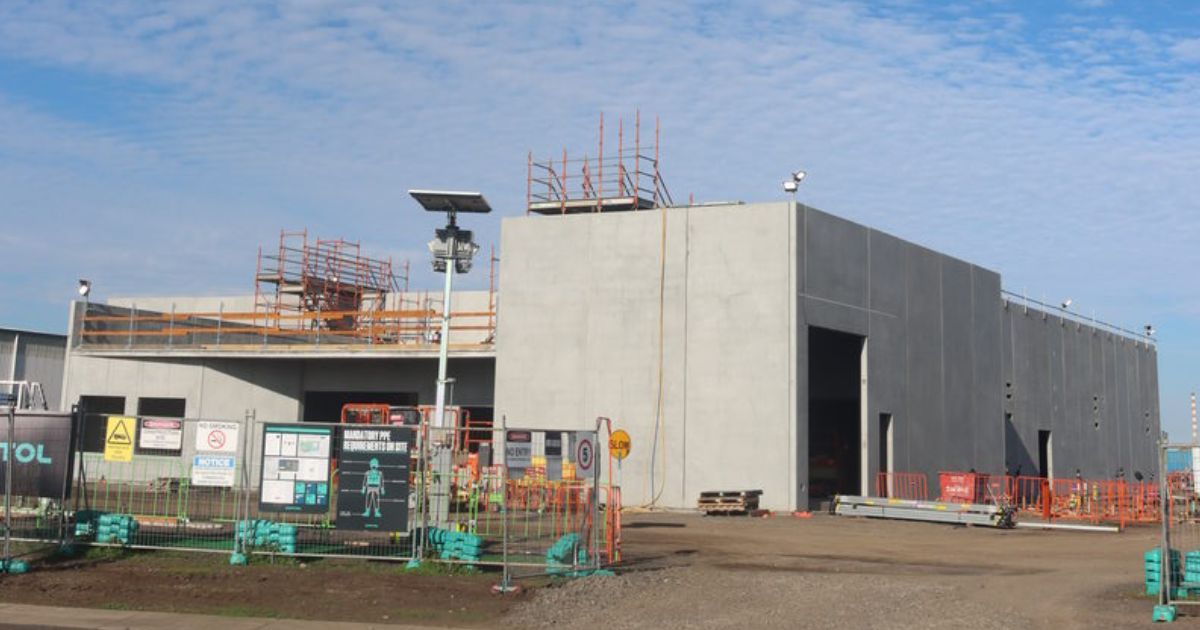
The GE1 Geelong data centre received state planning approval in 28 days. Photo: James Taylor.


THE City of Greater Geelong is pushing back against Victoria’s fast-tracked approach to data centres, arguing councils should not be sidelined in planning decisions.
The call follows the federal government’s announcement that it will introduce Australia’s first standards for artificial intelligence, including mandatory water and energy requirements for large data centres, but the city says where those facilities are built also needs greater oversight.
The city’s concerns extend to NextDC’s expansion in Geelong, with the company building its GE1 data centre in Corio and purchasing 170ha at Lovely Banks previously identified for future residential growth.
Geelong chief executive Ali Wastie said the city only supported investment in digital infrastructure, such as data centres, when it was well planned, sustainable and appropriately located.
“Any decisions regarding major data centres must consider local impacts from the outset, as we carry significant responsibilities for housing growth, environmental protection and infrastructure delivery,” she said.
“We welcome federal government announcements of strengthened controls on the use of electricity and water infrastructure by data centres.
“This is an important step, but further guidance on appropriate data centre locations is required.”
Wastie said clear national guidance and unified standards would help provide certainty.
“We must ensure that digital infrastructure growth does not come at the expense of housing supply, water security, energy reliability or liveability,” she said.
“Local government must have a seat at the table in these discussions, as councils understand local land-use pressures, infrastructure constraints, and community expectations.”
The debate has also prompted growing community opposition in Geelong.
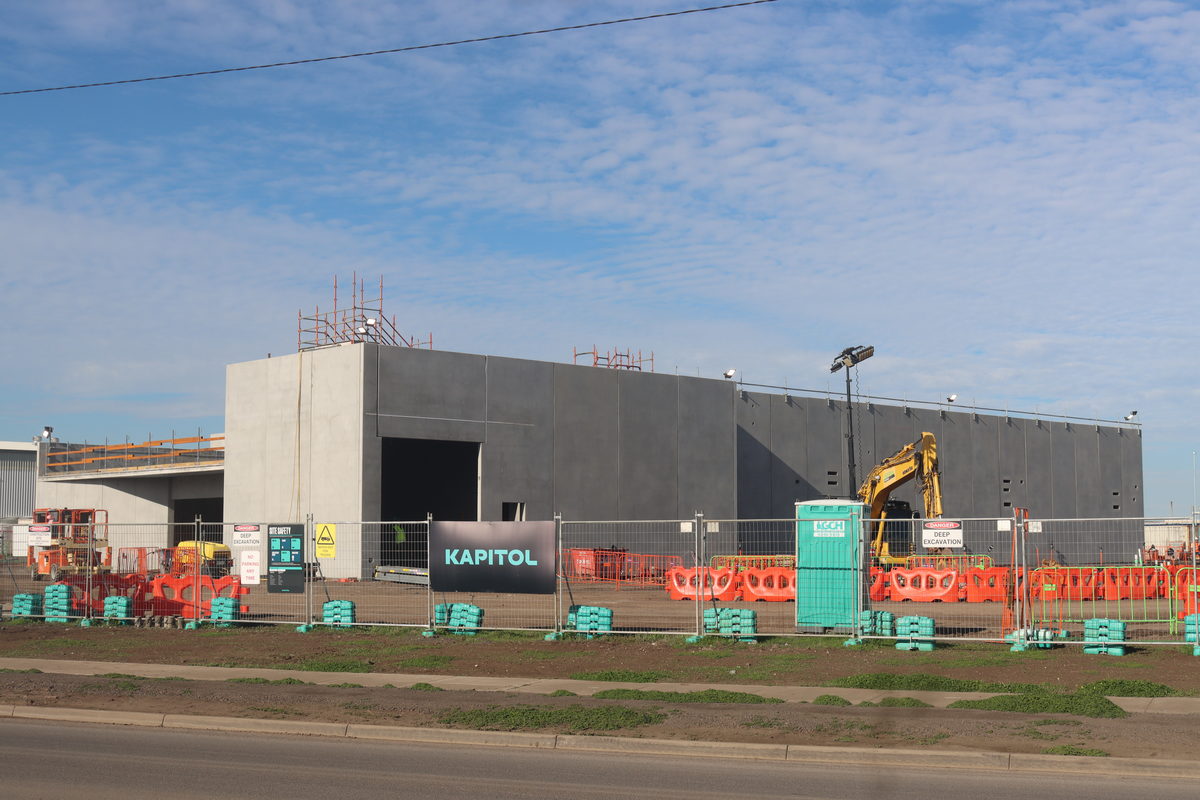
Several online petitions opposing NextDC’s GE1 Geelong data centre have attracted more than 700 signatures.
Concerned residents say the centre will use large amounts of energy, increase demand on water infrastructure, and create noise and air pollution.
Corio resident Beth Ruseler is among those who have signed the petitions.
She said data centres were important to fields such as medical research and should be built, but not near people’s homes.
“A lot of people are saying things like ‘If you don’t like it, you should just move’,” Ruseler said.
“You don’t understand how hard it is to put equity into a home as a young person with the first-home buyers grant and then not be able to move because you find out a data centre gets put there. What if we sell our house and no one wants
to buy it?
“We don’t know what the future repercussions of that will be.”
Among those leading the community campaign is independent upper house candidate Aleta Moriarty, whose petition calls for an immediate moratorium on new data centre approvals in western Victoria.
She has also questioned the state government’s fast-tracking of approvals. NextDC’s GE1 Geelong project received development approval in just 28 days.
Moriarty said the rapid approval illustrated the need to change planning rules to reinstate council and community oversight.
“Communities need to be consulted on these developments before, not after,” she said.
“We need much more information and understanding of potential impacts and how these will be mitigated.”
The federal government said it will work with National Cabinet so states and local councils have better rules around the location of data centres.
Share


Related Articles

Global aviation giant backs Avalon’s freight ambitions
AVALON Airport has signed a partnership with a global aviation…
Parallax performers chase grand final glory at Australia’s biggest singing competition
THREE of Geelong’s best young voices will take the stage…