Cases climb as buruli ulcer spreads to new suburbs
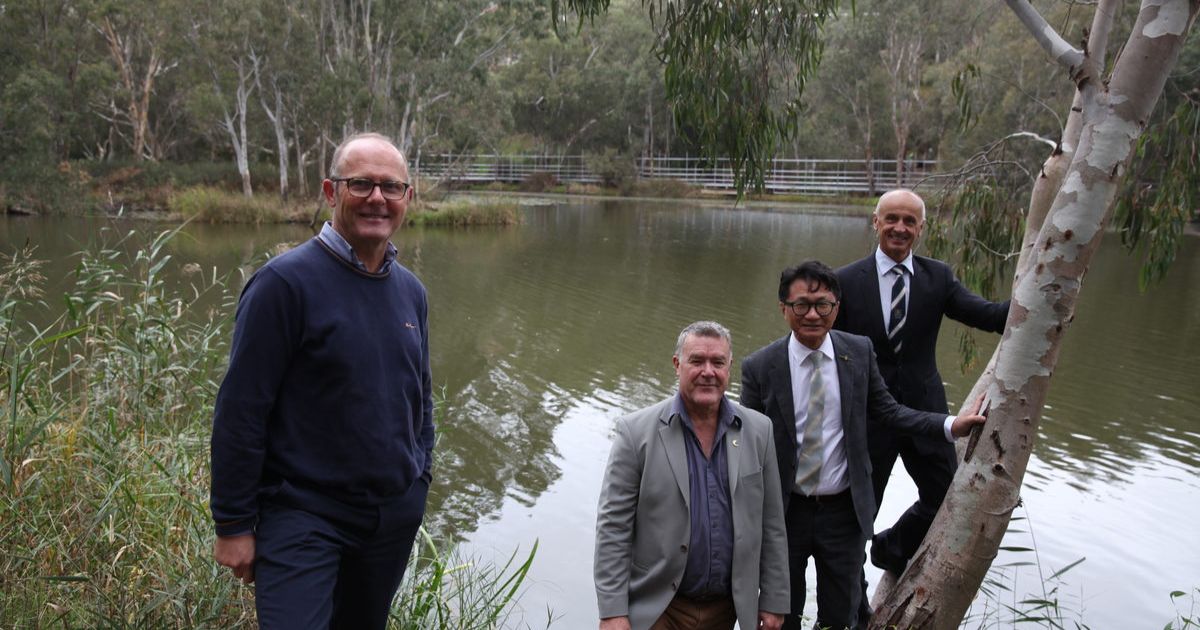
Surf Coast Shire deputy mayor Tony Phelps, Borough of Queenscliffe mayor Donnie Grigau, City of Greater Geelong mayor Stretch Kontelj and Barwon Health director of infectious diseases Associate Professor Daniel O'Brien at the Barwon River. Photo: James Taylor.


THE Geelong region experienced a record number of buruli ulcer cases last year and is on track to surpass that figure again in 2026.
The reasons behind the surge remain unclear, prompting local councils to join forces on a new public awareness campaign about the disease.
Buruli ulcer is a skin infection caused by Mycobacterium ulcerans, a bacterium associated with possums and mosquitoes. The infection produces toxins that damage skin tissue, leading to ulcers and, in some cases, significant skin loss.
Cases have risen sharply across Victoria in recent years, particularly on the Mornington and Bellarine peninsulas.
The disease is also emerging in new areas, including the Surf Coast and parts of Greater Geelong, especially Belmont, Highton, Newtown, Grovedale, Waurn Ponds, Wandana Heights and Marshall.
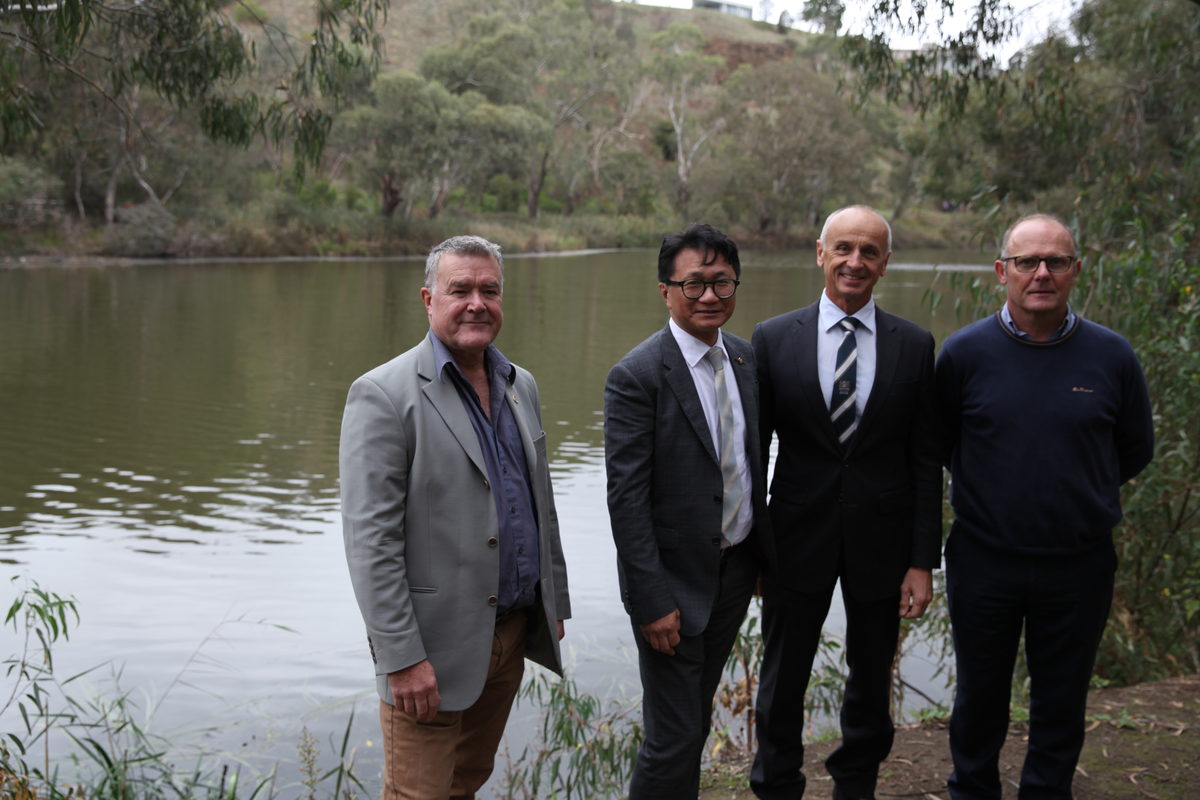
Barwon Health director of infectious diseases Associate Professor Daniel O’Brien said there were close to 100 cases across the Barwon South West region in 2025, up 60 per cent on the previous year.
Case numbers in 2026 are already running 45 per cent higher than at the same point last year.
“Not only did we have a huge jump last year, but we’re looking like we’re going to have another huge jump this year,” Professor O’Brien said.
“We have 10 times more cases now than we did five years ago.”
Professor O’Brien said more research was needed to understand why the disease was spreading into new areas.
“It is probably possums getting infected and then the disease spreads from possums to humans either by mosquito bites, by injuries or by infected soil,” he said.
“We think what happens is that possum populations are getting larger and spreading but also they’re starting to get infected in new areas, and that then spills over into the human population.
“A lot of that is not entirely known and it needs lots more research.”
The Barwon South West Public Health Unit, City of Greater Geelong, Surf Coast Shire and Borough of Queenscliffe have partnered on a regional awareness campaign encouraging early detection and treatment.
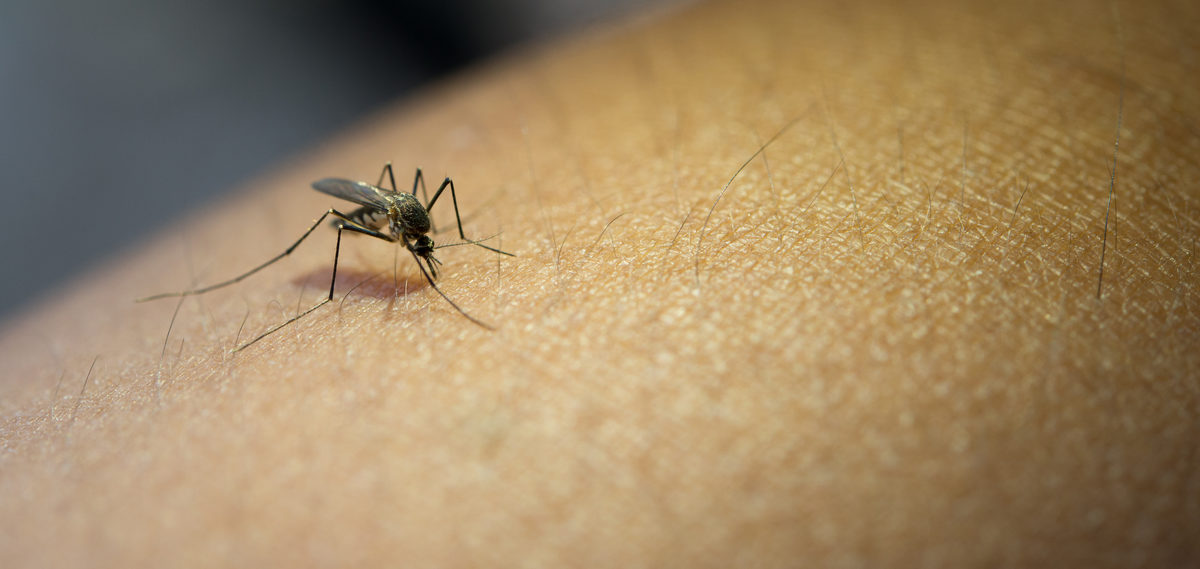
People can reduce their risk by using insect repellent containing DEET or picaridin, covering cuts and abrasions, installing and maintaining insect screens, washing skin after contact with soil or water, and avoiding contact with sick or dead possums.
Professor O’Brien said these measures were practical and worthwhile, but unlikely to halt the disease’s spread on their own.
“It’s common sense stuff, but at the moment the worry for us is it’s not being particularly effective at the moment,” he said.
“That’s why there are bigger issues around what can we do to actually interrupt the transmission cycle.”
Surf Coast Shire deputy mayor Tony Phelps encouraged residents to seek medical advice if they notice slow-healing wounds or unusual skin lesions.
“Later this year we’ll play our role by rolling out our annual mosquito management program to help reduce the number of mozzies,” he said.
For more information, head to bswphu.org.au
Share


Related Articles

Global aviation giant backs Avalon’s freight ambitions
AVALON Airport has signed a partnership with a global aviation…
Parallax performers chase grand final glory at Australia’s biggest singing competition
THREE of Geelong’s best young voices will take the stage…