City adopts Long Term Financial Plan
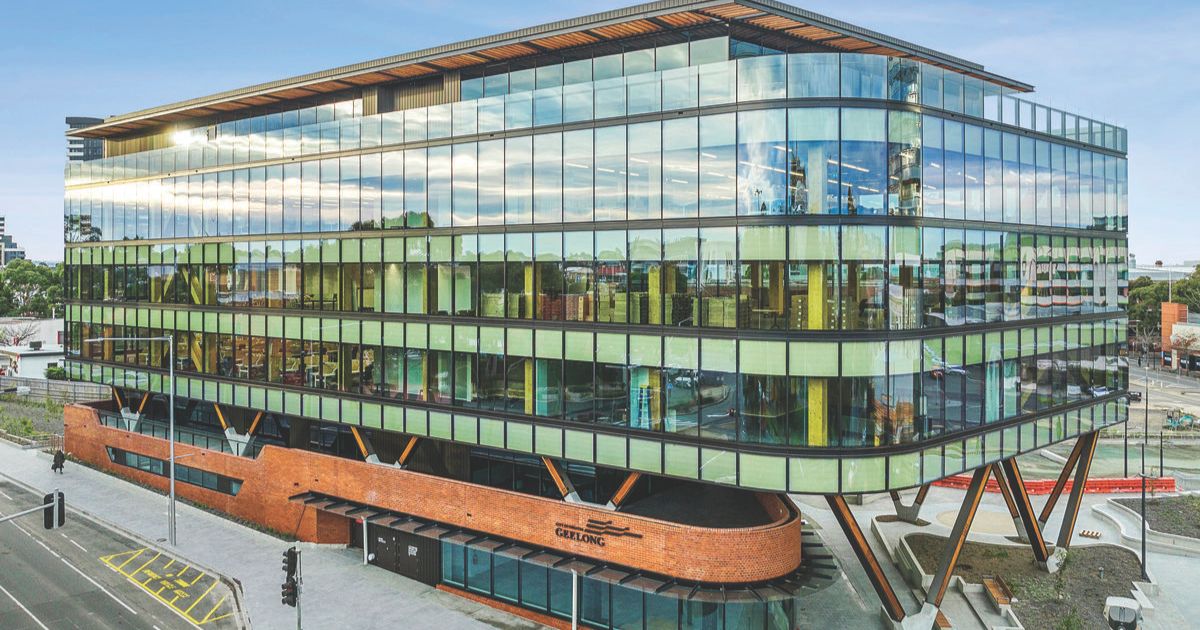
The city's Long-Term Financial Plan forecasts operating surpluses over the next decade and provides a pathway to reduce the city's debt. Photo: SUPPLIED


THE City of Greater Geelong has set its fiscal direction for the next decade, adopting a Long Term Financial Plan at its council meeting last month.
The plan outlines how the city will continue to provide services, infrastructure and facilities for a rapidly growing community despite several challenges.
The City says these include Victorian government constraints on council revenue, ongoing cost pressures relative to inflation, and a trend of cost-shifting, where other levels of government move funding requirements to local government.
While there are challenges, the plan forecasts operating surpluses over the next decade and provides a pathway to reduce the City’s debt.
The adoption of the plan for 2025 to 2035 follows a process of community engagement, where feedback was sought on the draft plan in July and August. The long-term plan is part of the City’s broader strategic plans, including the Asset Management Plan, the Council Plan 2025-29, and the 30-Year Community Vision, aligning objectives with financial outcomes.
Councillors also endorsed the financial performance report for the final quarter of the 2024-25 financial year, as part of the quarterly updates benchmarking the organisation’s finances against the budget.
The performance report presents the financial results for the end of the 2024-25 financial year, showing a net operating surplus of $8.3 million and an improved cash position compared to the budget, reflecting the organisation’s commitment to financial sustainability.
Geelong mayor Stretch Kontelj said that while the plans were encouraging, work to ensure financial sustainability would continue.
“I’ve spoken at length about the need for the council to live within its means, and this remains at the centre of all of our decision-making,” Cr Kontelj said.
“While it’s encouraging to see debt coming down and a forecast of a decade of operating surpluses, there are still significant challenges which the organisation faces, such as cost-shifting by other governments.”
Finance portfolio chair Cr Andrew Katos said financial sustainability was vital for service delivery.
“Our city is experiencing considerable growth, and that will present challenges, which is why it’s so important to think long-term when it comes to financial planning,” he said. “While our typical budget process is four years, the long-term financial plan allows us to ensure that we can be sustainable for the next decade and considers how we respond to the challenges of the future while providing the services and facilities that the community expects of us.”
Share


Related Articles

Winter festival returns with new rides
A 45m ice toboggan and a towering new drop ride…
From campus groups to sporting clubs, queer spaces help build community
LOCAL advocates say dedicated queer spaces remain vital in Geelong…