City seeks a shared vision for its future
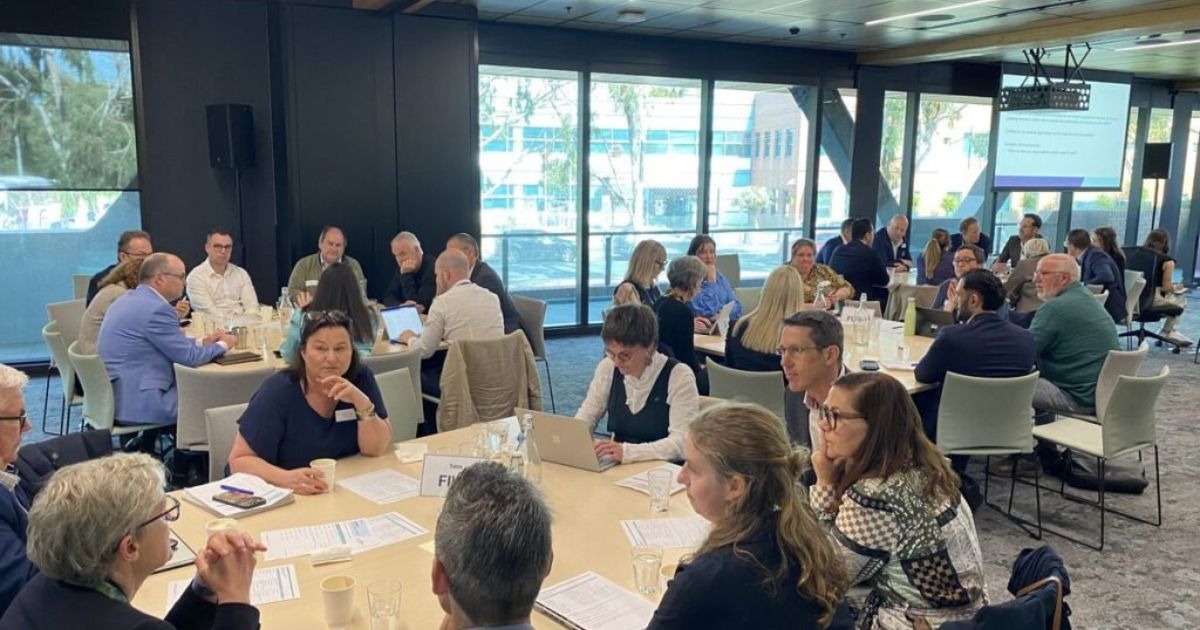
Some of the participants at the Geelong: A Shared Future forum take part in a group exercise. Photo: JAMES TAYLOR


CITY of Greater Geelong mayor Stretch Kontelj is aiming to recreate the spirit of 1995 as Geelong charts its way into the next 30 years.
Cr Kontelj outlined the philosophy at the Geelong: A Shared Future forum, held on Tuesday this week at the Wurriki Nyal civic precinct.
About 70 representatives from across Geelong’s various economic sectors were invited to the three-hour event to contribute ideas towards a response to the municipality’s forecast
population growth to 400,000 by 2040 and 500,000 by 2050, and related issues.
Cr Kontelj said Geelong was a firmly blue-collar manufacturing town in 1990, with employers such as Ford, International Harvest and Pilkington.
“That all started to change. There was a massive shift of direction in that manufacturing started to leave Geelong. As a result of that, there was huge upheaval.
“Add to that the collapse of the Pyramid Building Society in May of 1990, and there was literally collapse of the economy, with the epicentre of that financial collapse right here in Geelong.
“People were leaving the city in droves, businesses were closing down, and the city was at risk of its population actually going backwards. It was stagnant.”
He said a group of councillors were elected in 1995 to develop a new vision for Geelong, and this vision was still being shaped upon his first election to the council in 1998.
“The focus was going to be on revitalisation of the waterfront, the CBD, and the arts and culture precinct. Health was identified as going to be a major sector for the city.”
Cr Kontelj noted all of the sectors identified 30 years ago had now come to full fruition.
“At that stage [in 1995], the minutiae of what that was going to take wasn’t even thought of yet, but the vision, the goal, the desire was established… and the important thing is the narrative of what Geelong was going to look like in the next 25 years was settled,” he said.
“So it didn’t matter who you spoke to as far as the collective and the faces that were sitting in the rooms at that time representing the various bodies that are here still today… everyone understood what the direction and where the future for Geelong was headed.”
Geelong chief executive Ali Wastie also chaired a panel featuring Geelong Gallery CEO Humphrey Clegg, Deakin University vice-chancellor Professor Iain Martin, Barwon Health CEO Frances Diver, Geelong Manufacturing Council CEO Jennifer Conley and Cobram Estate general manager Claudia Guillaume.
Responding to a question about how to not leave people behind throughout this growth, Professor Martin said the UK city of Cambridge was a cautionary tale, as it was similar in size to Geelong and had recently undergone the biggest transformation in gross added value for a regional area.
“They [Cambridge] were suffering acutely from growth in high-tech industry, high-tech production — fantastic salaries for those in it — but the very people on whom the life of the city relies — the nurses, the teachers the people working for local government — could no longer afford to live anywhere near the city.
“And I think as we think about the next 30, 40, 50 years, we need to be very cognisant of that and strategically make sure that we have enough opportunities not for that to happen to us.”
Share


Related Articles
Council knocks back Leopold childcare centre
The City of Greater Geelong’s planning committee has sided with…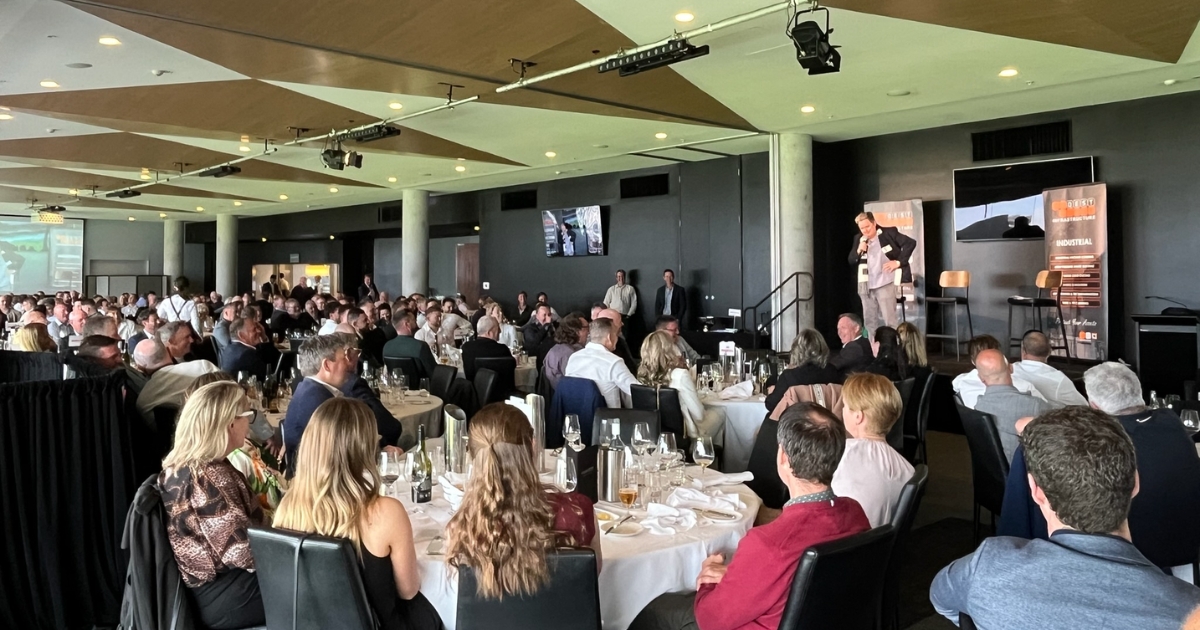
Footy identities to headline luncheon
St Joseph’s Football Netball Club is gearing up to host…