Deakin study suggests measures to improve nightclub safety
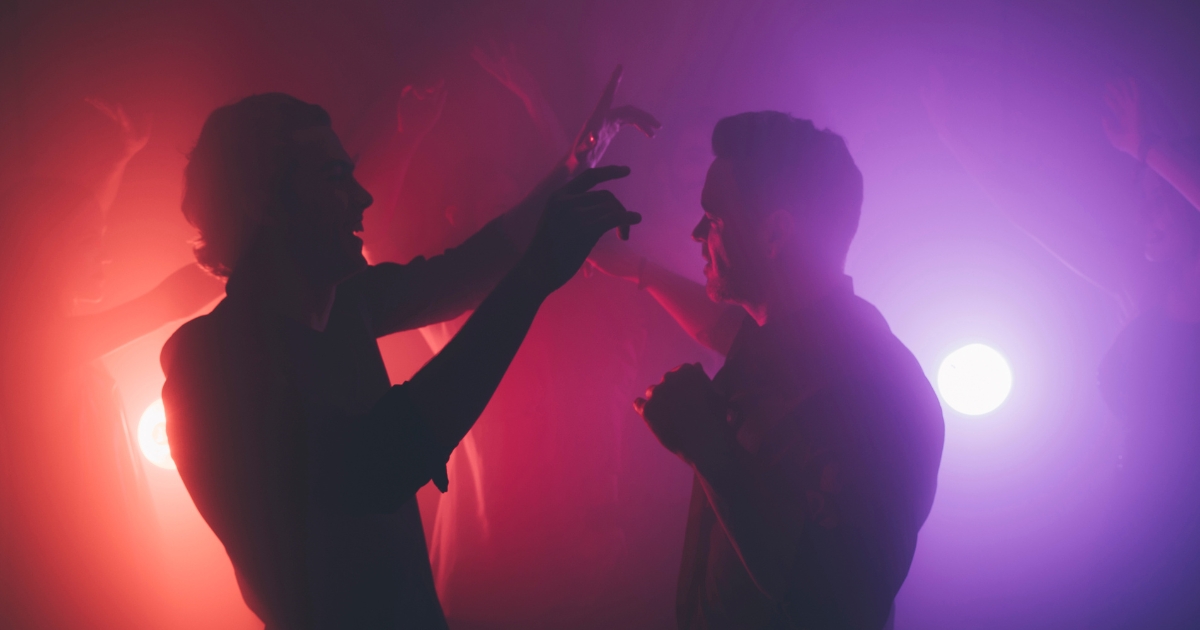
The study suggests venues could improve safety by increasing lighting, limiting the number of patrons so spaces, particularly dance floors, were not crammed with people, and increasing the visibility of security staff. Photo: FREEPIK.COM


RESEARCHERS from Deakin University have called for tighter liquor licencing regulations after a study revealed incidents of harmful sexual behaviour inside Geelong’s nightlife venues.
The research team from Deakin’s School of Psychology found unwanted behaviours such as groping, leering and unsolicited sexual comments were more common in venues where the space was dark, noisy and tightly packed.
Professor Peter Miller said strong leadership was needed at government level to ensure patrons at local venues could enjoy a night out feeling safe from sexual harm.
“We need to see real action from government, the police and the venues, to prioritise the safety of patrons,” he said.
“We’ve worked with great venues and police, but without system level changes, all that work ultimately goes to waste.
“Dark, crowded spaces inside nightlife venues leave patrons particularly vulnerable to unwanted touching and sexual comments.”
He said venues could improve safety by increasing lighting, limiting the number of patrons so spaces, particularly dance floors, were not crammed with people, and increasing the visibility of security staff.
“To ensure this happens, we need tougher regulations around liquor licencing to improve safety in the long term.”
The research team interviewed more than 230 people aged between 18 and 65, as they left Geelong nightlife venues on Saturday nights between December 2022 and February 2023.
The median age of the patrons was 21 and all 18 venues were in the city of Geelong.
Half the women and almost one in three of the men reported some form of sexual harm, with behaviour ranging from being leered at and sexually propositioned to touching, groping or forcibly kissed.
School of Psychology PhD candidate Kira Button said there was limited research looking at how venues might contribute to sexual harms because of the way they managed lighting, noise and crowds.
“Many of the young women we spoke to felt this kind of behaviour was just normal and something they had to accept if they wanted to go out,’ Ms Button said.
“During venue observations, security staff were often hard to locate, either because there were too few of them or because their dark uniforms made them difficult to see in low lighting.
“We asked patrons to rate venue brightness on a scale from one to 10. For each one-point increase in perceived brightness, the odds of experiencing sexual harm fell by 27 per cent.”
A second study by the team found only about a third of Australian nightlife patrons reported their experience of sexual harassment to someone at the venue, such as a security guard.
“The most common reason for not reporting was the belief that this type of unwanted sexual behaviour was normal in nightclubs and bars, and venue staff and security would not respond appropriately to the report,” Ms Button said.
Share


Related Articles

Winter festival returns with new rides
A 45m ice toboggan and a towering new drop ride…
From campus groups to sporting clubs, queer spaces help build community
LOCAL advocates say dedicated queer spaces remain vital in Geelong…