Flood clean-up leaves cars offshore
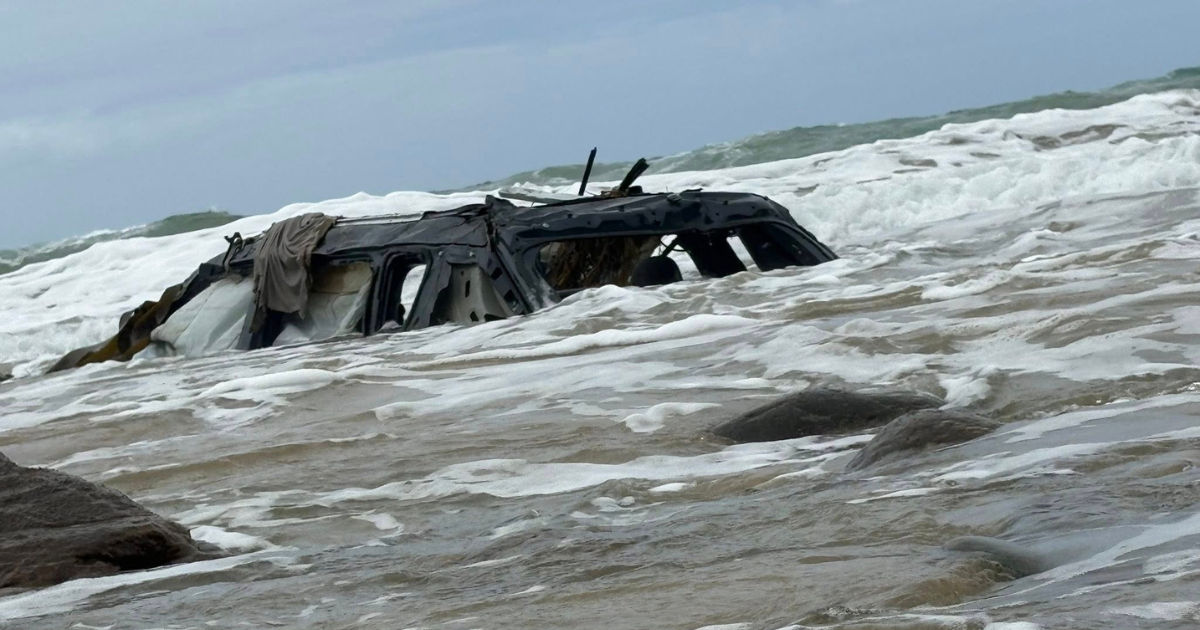
At least four vehicles remain submerged near the Cumberland River weeks after flash flooding swept them out to sea. Photo: Anna Reynolds


At least four vehicles remain in the ocean near the Cumberland River, with authorities still assessing what can be done to remove them and manage any safety risks.
In the immediate aftermath of the 15 January flash flooding, a Black Hawk helicopter was deployed to airlift 15 cars and caravan chassis from the beaches and rocky outcrops around the Wye and Cumberland rivers.
A spokesperson for the Victoria State Emergency Service (VICSES) said only 14 of these vehicles were successfully removed during the operation. A single caravan chassis was unable to be safely retrieved because of the sand and debris that had accumulated inside.
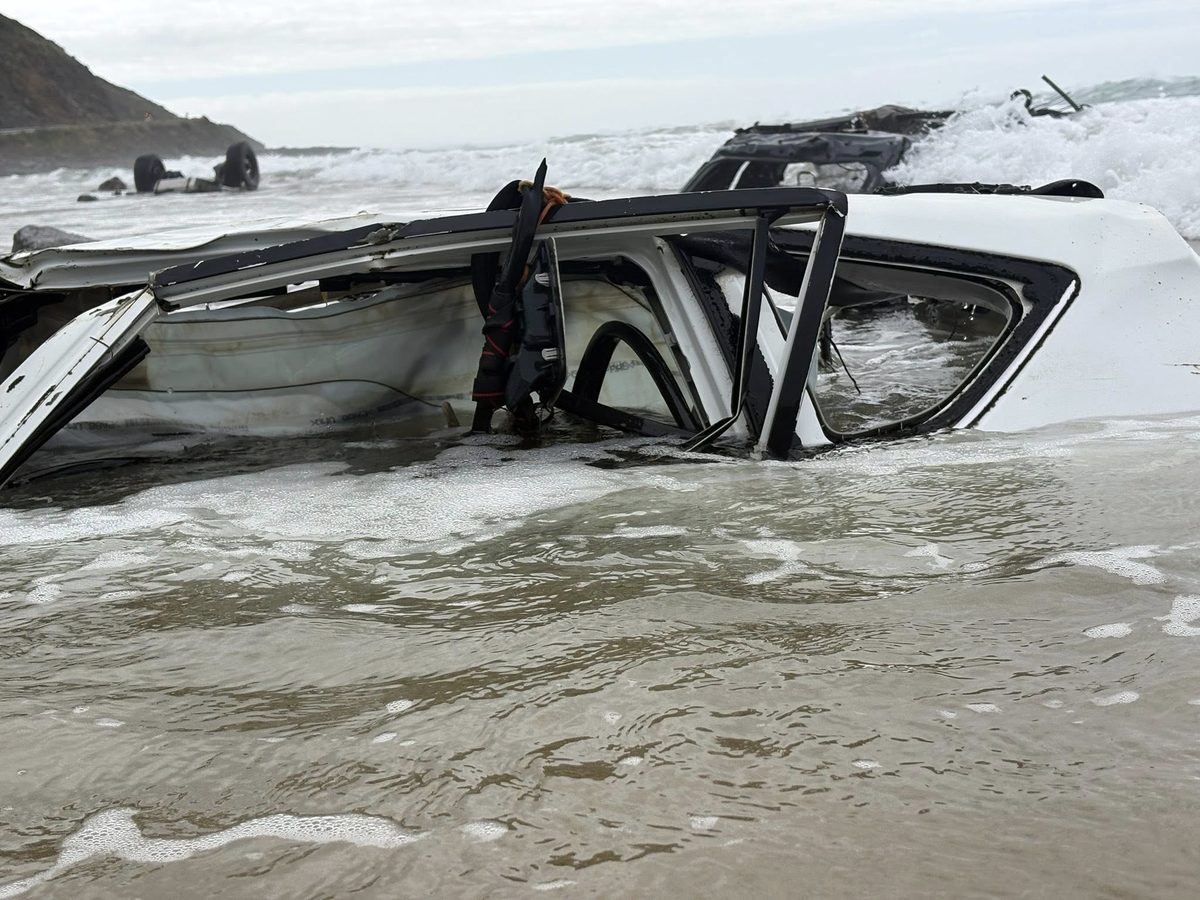
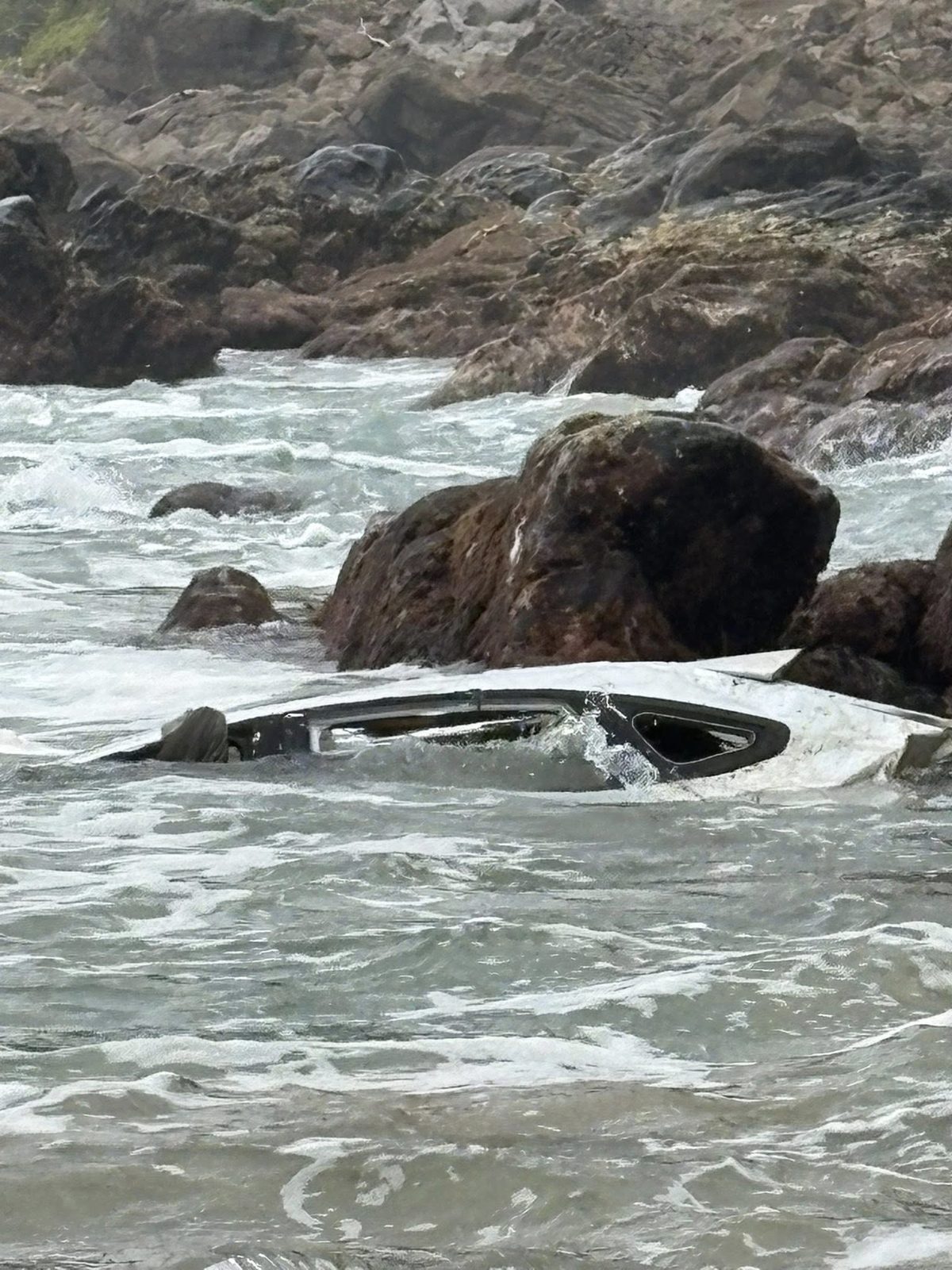
But this week, vision has emerged showing at least four vehicles remain submerged in the water.
The VICSES spokesperson said these vehicles “had not been identified at the time of the initial recovery effort”.
Ongoing recovery efforts now sit with the Great Ocean Road Coast and Parks Authority (GORCAPA).
The land manager said it was working through the feasibility of identifying and removing the remaining vehicles.
That work includes assessing environmental and public safety risks if recovery proves unsafe or impractical.
The authority described the process as ongoing and has installed signage to warn beach users of potential hazards in the area. It is also consulting with the Environmental Protection Authority (EPA) about the potential contamination risks.
“Any fuel or oil has likely already washed away during or soon after the flood incident and, being within a large water body, the ongoing contamination risk is low,” a GORCAPA spokesperson said.
The EPA has not issued a formal clean-up notice but is providing advice to help minimise environmental risks.
“Fluids from the cars will have drained by now,” an EPA spokesperson said. “We are not aware of what the plans are for the future of the cars.”
Marine pollution expert, Dr Julie Mondon from Deakin University, believes the vehicles pose only a “small scale risk” to the ecology of the area.
“Each of the vehicles will have fuel and oil in it, so there’s certain pollution from that,” she said.
“Then there is the structural component which over time if not pulled out will form a microreef, a potential positive.
“If we look at it objectively the volumes of oil and petrol will be low, and that will start to break down. The tyres however do take a long time to break down. It’s not a big volume of material though.
“From a long-term view, it’s a short-term pollution problem and we are quite fortunate for that.”
Share


Related Articles
Global aviation giant backs Avalon’s freight ambitions
AVALON Airport has signed a partnership with a global aviation…
Parallax performers chase grand final glory at Australia’s biggest singing competition
THREE of Geelong’s best young voices will take the stage…