Geelong’s first Nepali Language School
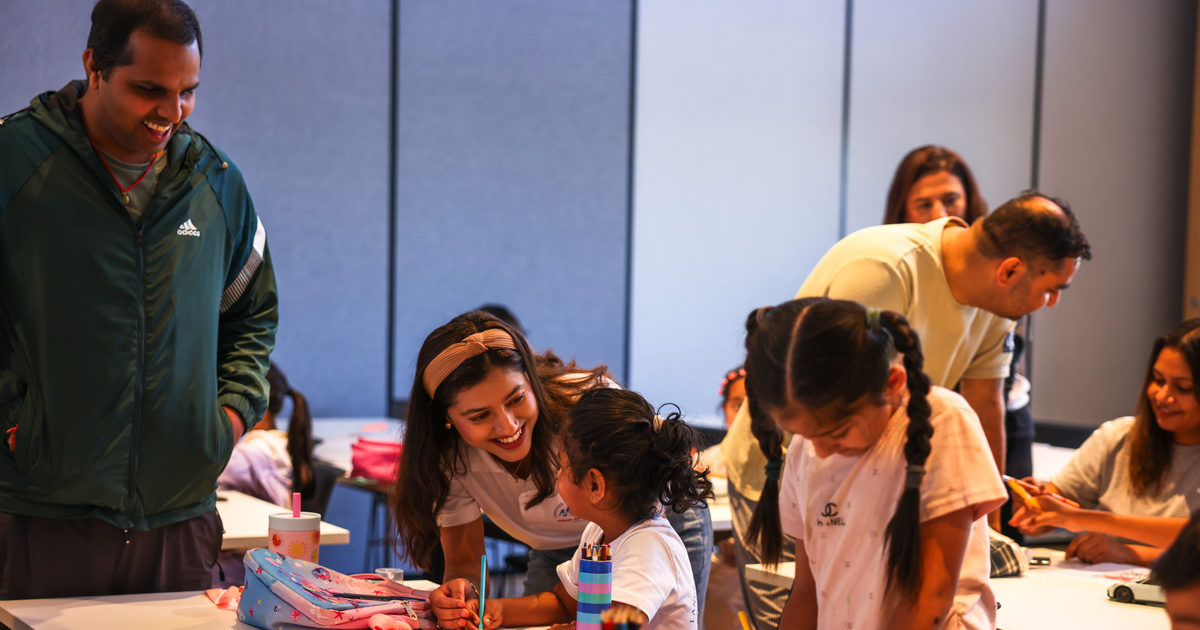
The classes are split into two age groups in order to provide the best opportunity for all students to learn. Photo: Nyah Barnes.


NYAH BARNES
A new Nepali language school in Geelong is giving local children and families a place to learn the language, connect with their heritage and strengthen their sense of identity.
Nepali Pathashala Geelong officially launched in January, following a year of informal classes driven by strong community demand. The school now has more than 40 students enrolled.
Secretary Anamika Shrestha said said the response to early lessons made the next step clear.
“We have been working on this informally for a year now,” she said.
“The interest was massive, so we decided to register and now we officially launched our school.”

The program combines language learning with cultural education, while also reflecting life in Australia.
Classes are tailored to different age groups. Younger children take part in story time, colouring and play-based learning, while older students focus on the Nepali alphabet, vocabulary and cultural topics.
A weekly dance class also forms part of the program.
Shrestha said the school was created because Geelong had no dedicated Nepali language and culture school, making it difficult for local families to access classes which were only available in Melbourne.

“We thought if we try this initiative maybe the kids will come to the school and learn Nepali language and culture, and it will preserve our language and culture,” she said.
Shrestha said the school is also helping build community connections for families who may not have close relatives nearby.
“It is good to know each other,” she said.
“Whenever we need support, or just for our mental health as well.”
The school is currently self-funded by committee members and parents, with organisers also seeking grants and support from local businesses.
“We are doing our best,” Shrestha said.
“Everyone in the group works really hard.”

One student, Eva said she enjoyed the opportunity to learn about the Nepali culture and traditions
“I like Nepali class because there’s dancing, there’s study and it will make your brain know knowledge for the future for the culture of Nepal,” she said.
Many of the students are bi-lingual at home, but the language classes help to continue their Nepali language education as well as learning about their culture and heritage.
Share


Related Articles

Global aviation giant backs Avalon’s freight ambitions
AVALON Airport has signed a partnership with a global aviation…
Parallax performers chase grand final glory at Australia’s biggest singing competition
THREE of Geelong’s best young voices will take the stage…