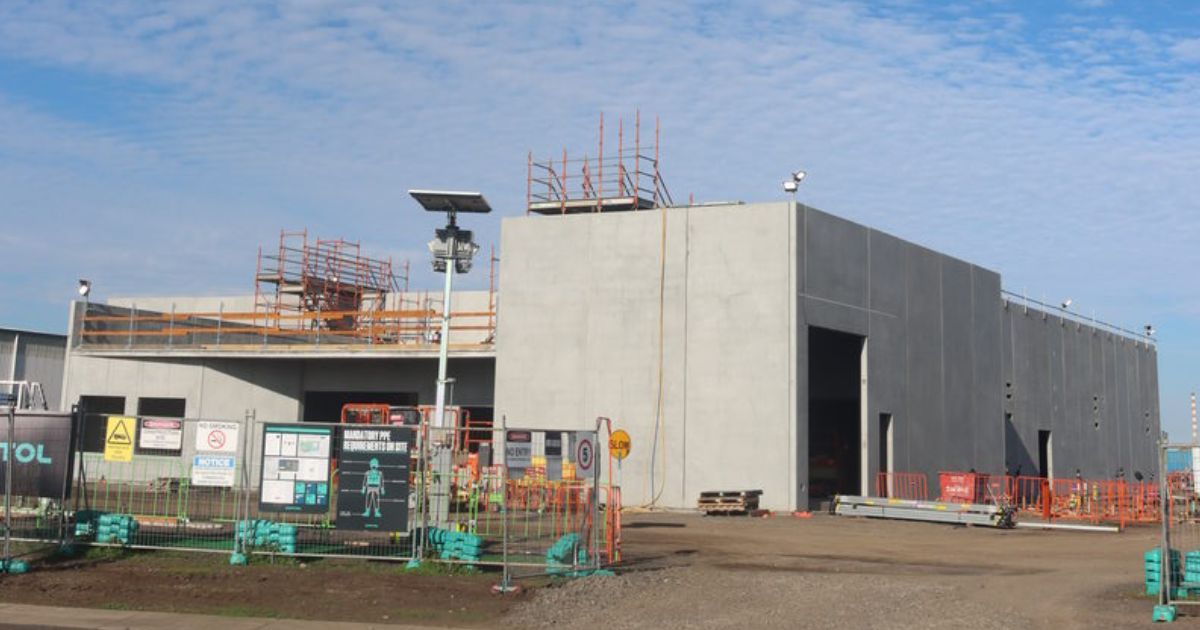
Has a Geelong company solved fashion’s biggest problem?
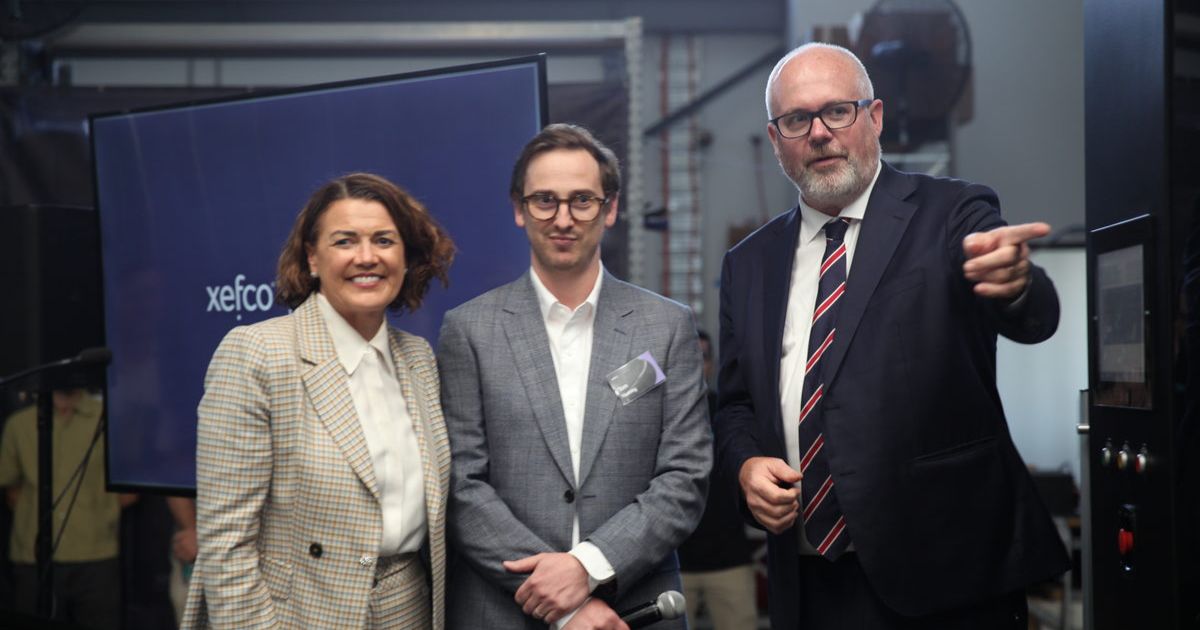
(From left) Corangamite federal member Libby Coker, Xefco chief executive Tom Hussey and minister for industry and innovation Tim Ayres follaowing Xefco's unveiling of its Ausora system last week. Photo: James Taylor.


A Geelong-based company has developed and commercialised a water-free textile dyeing method that could reshape how the world’s largest clothing manufacturers produce fabric.
Based in the ManuFutures precinct at Deakin University’s Waurn Ponds campus, Xefco has announced it will ship the first of its Ausora systems to a company in Indonesia.
It marks what the company says is the first commercial-scale deployment of a waterless plasma textile dyeing machine.
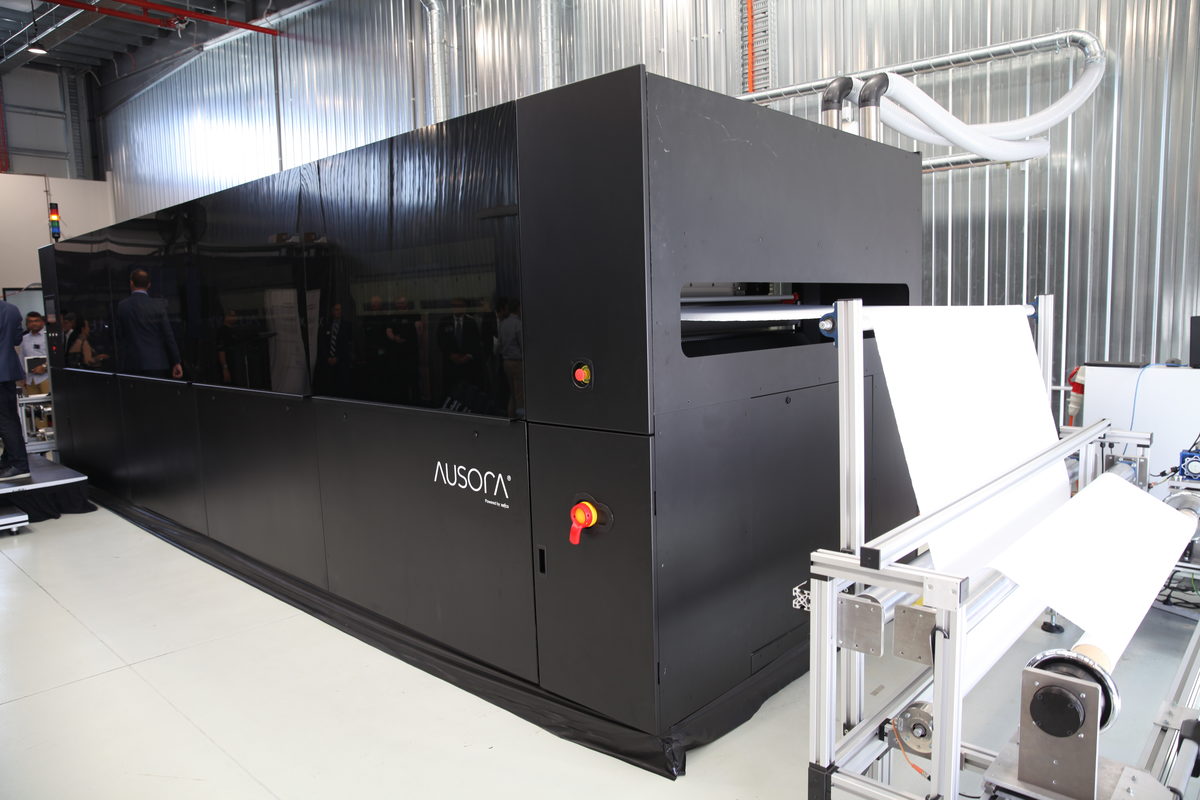
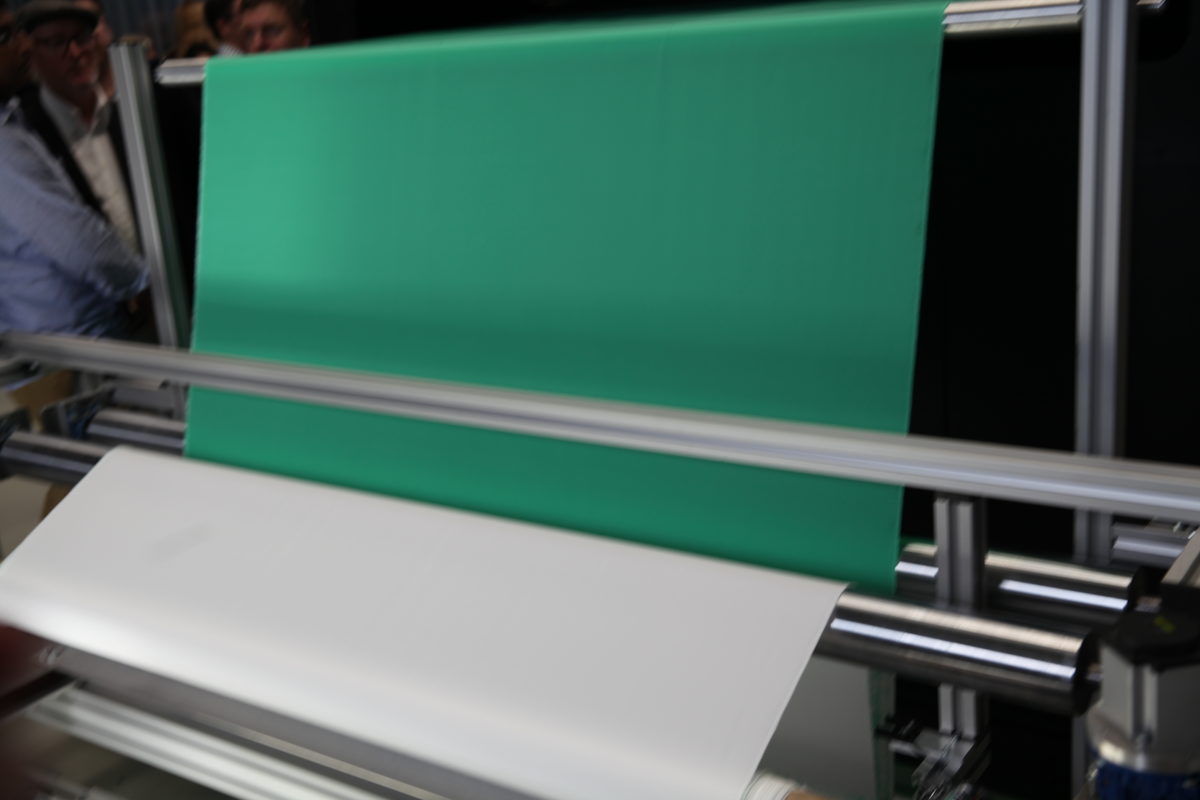
The Ausora removes water and wastewater from the dyeing process, uses up to 90 per cent less energy than conventional wet dyeing and cuts greenhouse gas emissions by as much as 94 per cent.
Compact enough to fit inside a single shipping container, one unit can replace an entire traditional wet dyeing mill.
Xefco has already secured commercial commitments for 12 additional systems, with growing interest from manufacturers in Vietnam, the United States and China.
Xefco chief executive and co-founder Tom Hussey said the textile industry remained one of the world’s largest consumers and polluters of water, with wet dyeing and finishing responsible for about 36 per cent of the supply chain’s climate impact.
About 600 billion metres of fabric are produced each year globally, he said, which shows the huge potential of the Ausora and its appeal to international clothing companies.
“If we look at the major retailers and brand groups out there, all of them have set incredibly ambitious targets of 30 per cent to 50 per cent reduction in their emissions in the next few years,” Hussey said. “They’re simply not going to get there without fundamental changes in the way they make fabrics.
“They will, of course, make changes elsewhere but this is the key to their problem.”
The company is now looking to scale production rapidly, targeting 200 systems worldwide within five years. That expansion could support about 300 advanced manufacturing jobs in Geelong and drive an estimated $200 million in domestic manufacturing expenditure.
“This is a major milestone,” Hussey said. “It’s ultimately step one of many, many big steps in front of us.”
The federal government has backed the technology with a nearly $5 million grant.
Industry and innovation minister Tim Ayres said the project highlighted the strength of Geelong’s manufacturing and research capabilities.
“I, as a person who’s been around Australian science and industry and manufacturing, have always had a sense of what an extraordinary place Geelong is, what you can do here and what this university offers for industry and for Australia,” he said.
“I’m really pleased that the grant the Industry Growth Program has provided means that we are able to commercialise this technology here, but I am deeply aware that while that grant is a useful step along the way, we are only here because of the foundational work of all the staff and all of the workers involved in this fantastic project.”
Share


Related Articles
Global aviation giant backs Avalon’s freight ambitions
AVALON Airport has signed a partnership with a global aviation…
Parallax performers chase grand final glory at Australia’s biggest singing competition
THREE of Geelong’s best young voices will take the stage…