Hunting for dinosaurs: the trend that keeps coming back
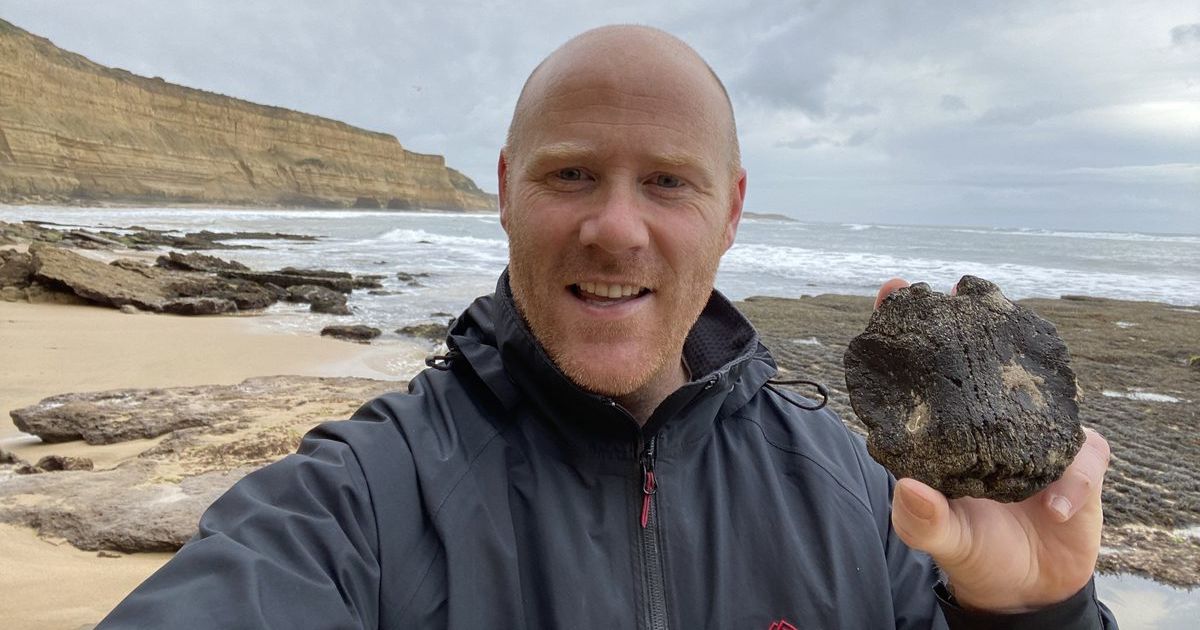
Ross Dullard developed a love for the outdoors as a child, but it wasn't until adulthood he returned to the fossil game. Photo: Supplied


VICTORIA’S southern coastline is millions of years old and with the right knowledge and a bit of patience, citizen scientists can – and are – making big discoveries.
Ross Dullard has made a name for himself as one of Geelong’s top fossil finders.
Most notably, the Jan Juc local was credited with discovering a new species of whale, janjucetus dullard, in 2025.
Dullard developed a love for the outdoors as a child, but it was not until adulthood he returned to the fossil game.
“The great think about fossil hunting is you don’t necessarily need any particular skill,” Dullard said.
“You need to have your eyes open and know what you’re looking for, but it’s not like you need to be able to run 5km; it’s an open access hobby.”
For Dullard, fossil hunting is meditative: he is out in nature, enjoying his surrounds and paying close attention to everything he sees.
He said fossil hunting is for those who are still kids at heart and have never stopped thinking dinosaurs are cool.
“Just like every trend, the 70s are having a comeback and this is like a 65-million-year comeback,” Dullard said.
“It’s a complete gamble and that’s what makes it more exciting.
“You don’t know the conditions when you go down to the beach, where a fossil is going to be standing up or down, what’s going to be exposed.
“It’s an adrenaline rush. You might see something that’s a centimetres on the surface but on further inspection it’s a half a metre long bone.”
Dullard said citizen scientists can train their eye to identify potential fossils easily.
He recommends taking notice of three specific characteristics – texture, colour and shape – to help weed out the regular rocks.
Using online resources such as those developed by Museums Victoria and connecting with other local fossil hunters and groups is a great place to begin, Dullard said.
“There’s lots of stuff to be found you just have to have your eyes open.”
One misconception new fossil hunters have is that they can find the same types of fossils all over the coastline.
Dullard said understanding the history of the coast is essential in knowing what to look for.
“It’s interesting because, depending on the geological time period of different places, what you can find completely changes along the coastline.
“At Bells Beach around Bird Rock you have this time period of about 23 or 25 million years old, and there’s stuff like marine mammals buried in those cliffs and along the shoreline.
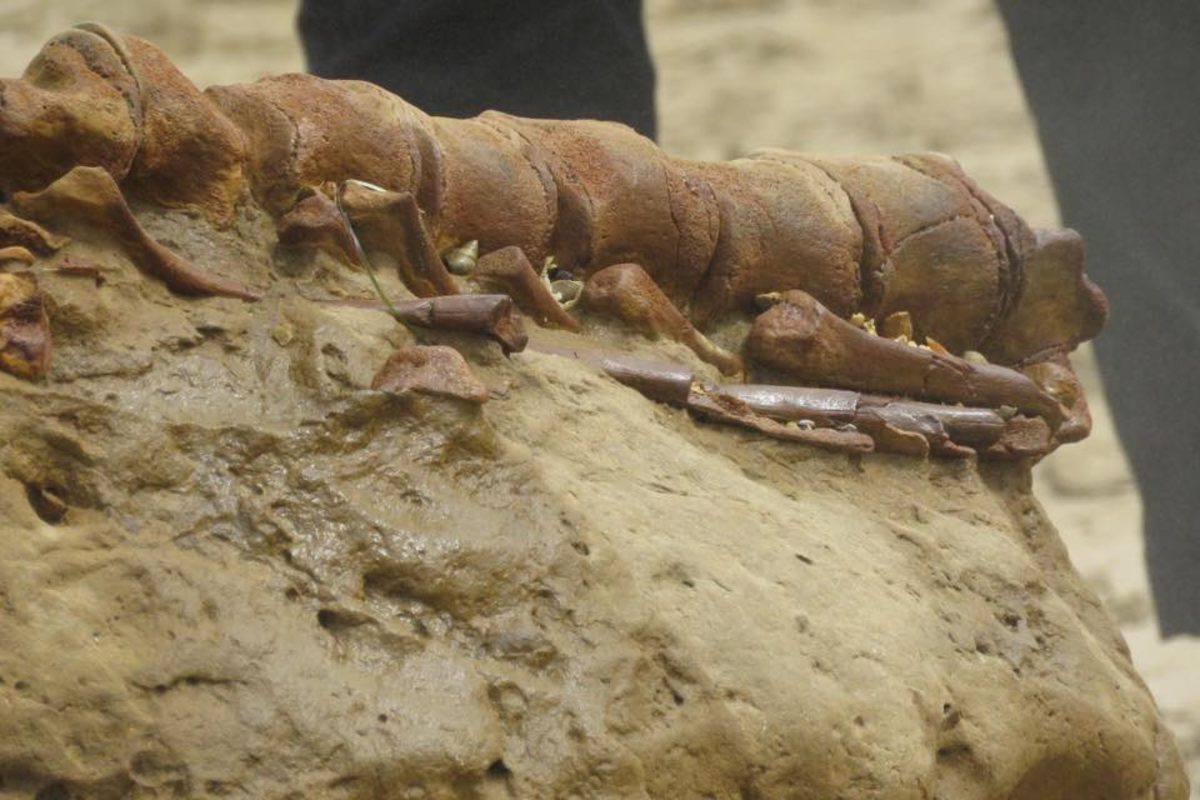
“But then, when you move up to like Demons Bluff in Anglesea, it’s a much younger time period, about 10 million years, so with the big cliff falls around there, they’re not necessarily full of bones and that confuses people.”
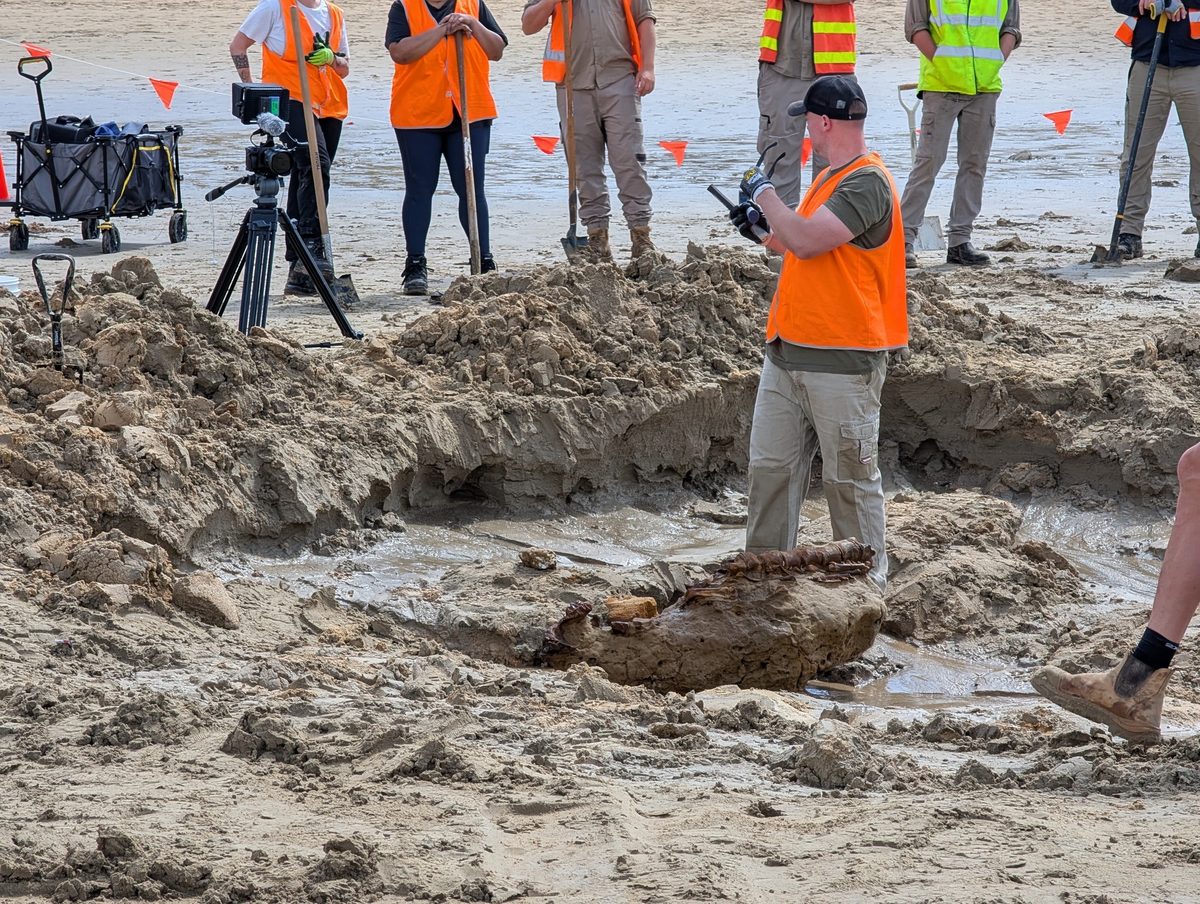
Dullard hoped to see more people along the coastline looking for fossils following a massive undertaking by Museums Victoria last week.
A team of palaeontologists arrived at Ocean Grove beach to excavate a whale fossil, which they believe to be one of the state’s largest.
They will now study the fossil, which is known to be a toothed whale, to determine its species.
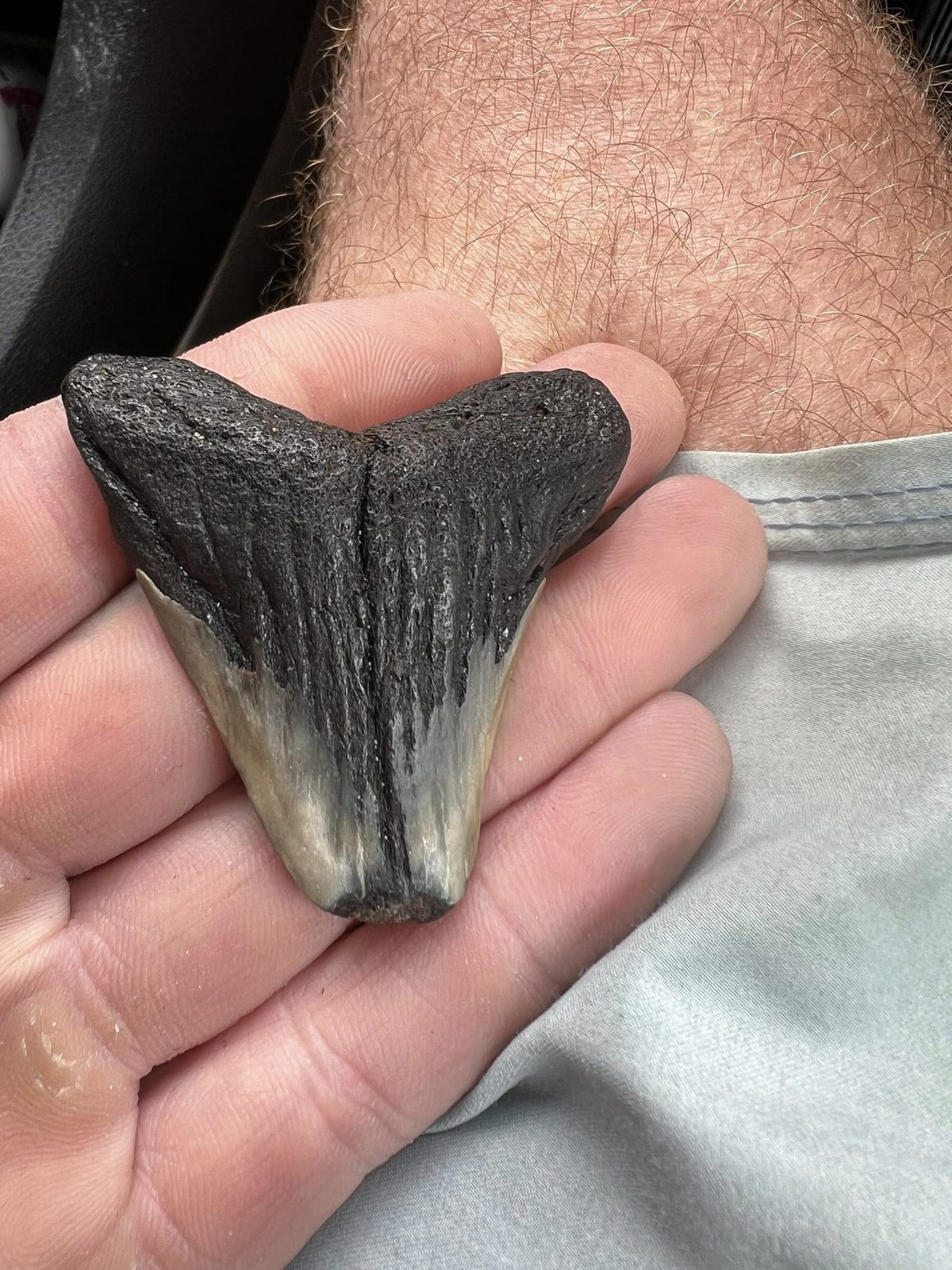
It comes weeks after a Jan Juc father found a prehistoric shark tooth, believed to be about 25 million years old, among the rocks at Jan Juc Beach.
Share


Related Articles
Global aviation giant backs Avalon’s freight ambitions
AVALON Airport has signed a partnership with a global aviation…
Parallax performers chase grand final glory at Australia’s biggest singing competition
THREE of Geelong’s best young voices will take the stage…