Research tracks game ducks
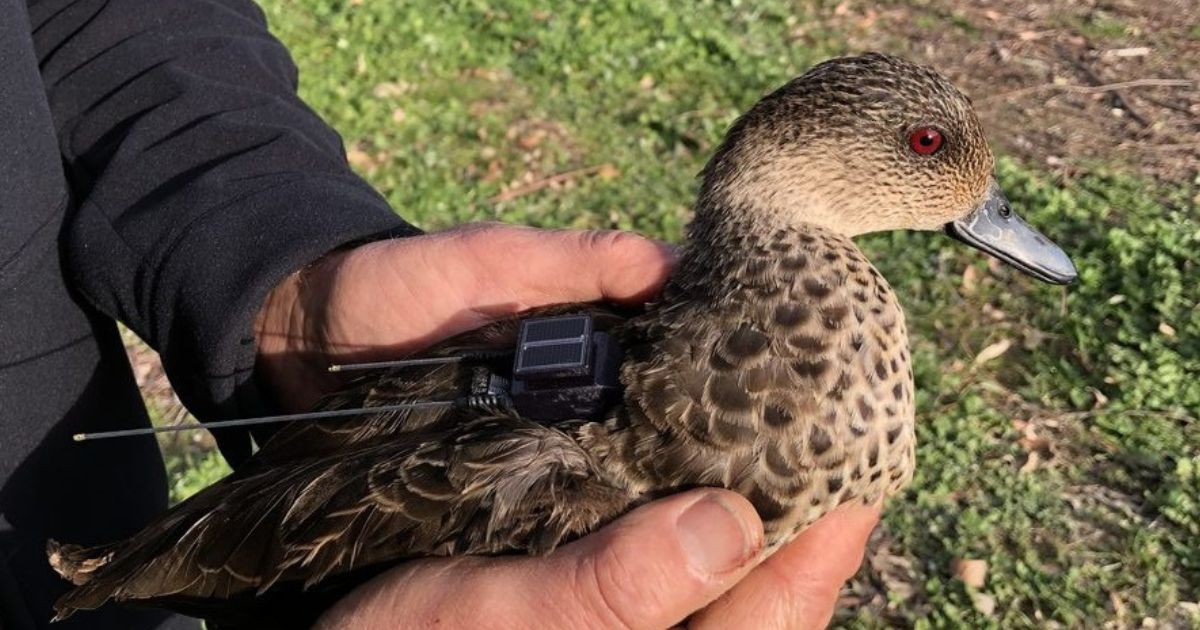
The lightweight tracking devices capture information about the duck's location, movement, breeding, feeding and resting patterns 24 hours a day. Photo: SUPPLIED


THE Game Management Authority (GMA) and Deakin University are conducting new research to better understand the movements, survival and behaviour of Victoria’s most important game duck species.
The research involves attaching small solar-powered satellite tracking devices to over 400 individual game ducks from four game duck species over three years.
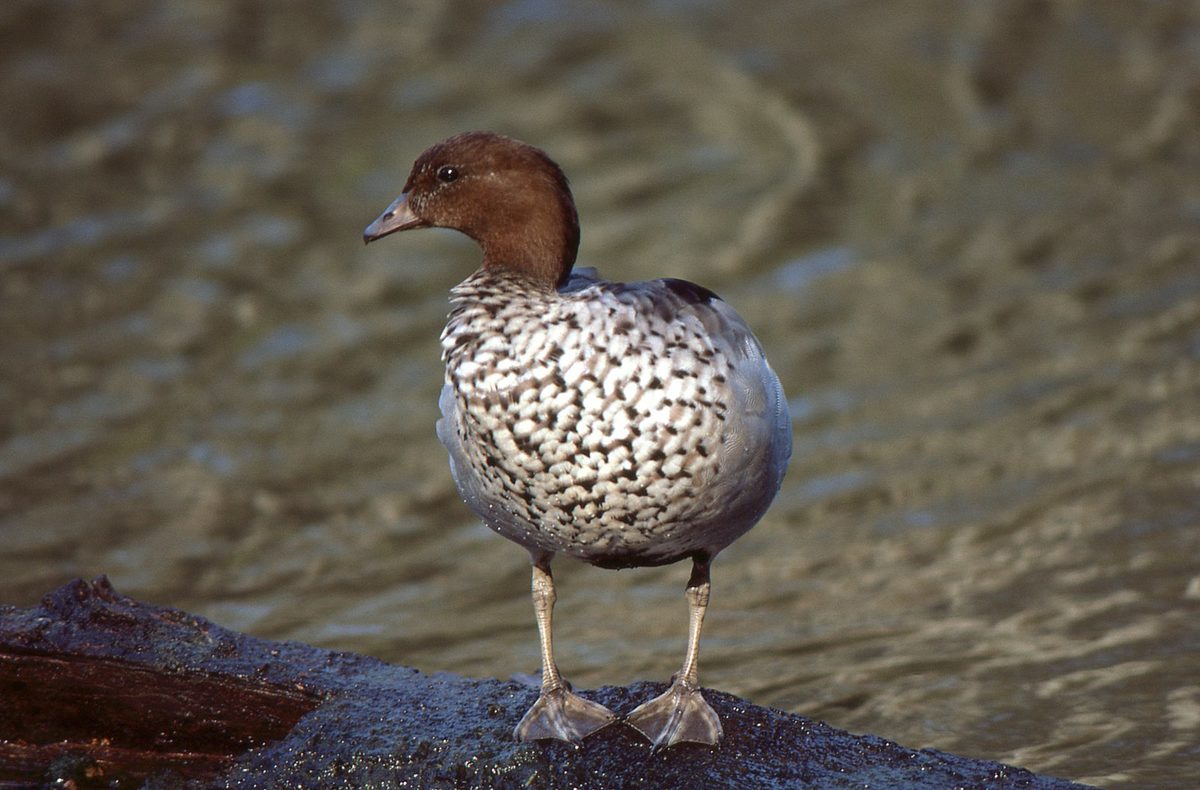
Duck species to be fitted with the trackers are Pacific black duck, Australian wood duck, grey teal and chestnut teal.
The lightweight tracking devices capture information about the duck’s location, movement, breeding, feeding and resting patterns 24 hours a day and will send the information to GMA and Deakin University researchers via mobile phone network.
GMA research principal Dr Jason Flesch said this was the largest study of the movement and survivorship of game ducks undertaken in Australia.
“This project aims to identify the drivers of game duck movement in relation to fluctuating environmental conditions, including water availability, in the Australian landscape. It will also record how long game ducks survive.
“This vital knowledge will be used with other research to inform Adaptive Harvest Management [AHM] of game ducks in Victoria, which is being implemented to ensure duck hunting in Victoria remains sustainable.”
The benefits of this research extend beyond hunting. This research will provide a greater understanding of the movement of ducks across Australia and the relationship between habitat and behaviours, which will help improve the management of waterbirds and their habitats.
Deakin’s Professor Marcel Klaassen said the knowledge gained from this research would also be used to grow understanding on the epidemiology of zoonotic diseases, such as avian influenza and Japanese encephalitis.
“By modelling game duck movements, we will, for instance, be able to predict how the highly pathogenic form of avian influenza currently impacting wildlife and poultry populations globally may spread, should it arrive in Australia.
The research began in June of this year and will continue to 2028.
About 60 ducks have been fitted with trackers to date.
According to the GMA’s website, AHM is an evidence-based process for setting game duck season arrangements.
It involves using information to select the best approach to achieving a management objective, implementing management actions, measuring the response, adjusting the approach as required, and then repeating the process.
Members of the public can follow the progress of the research, see where the ducks are travelling, view interviews with researchers and get more information about the project at research-stories.shorthandstories.com/tracking-victorian-game-ducks
For information on AHM for game ducks in Victoria, head to gma.vic.gov.au/hunting/duck/Adaptive-Harvest-Management-for-game-duck-hunting-in-Victoria
Share


Related Articles

Disney magic skates into Melbourne
Disney’s biggest collection of beloved characters is set to glide…
The simple way to protect home comfort year-round
Enjoy 15% off servicing with Climatic Air Conditioning A professional…