Victoria’s first peer-led mental health service opens in Moolap
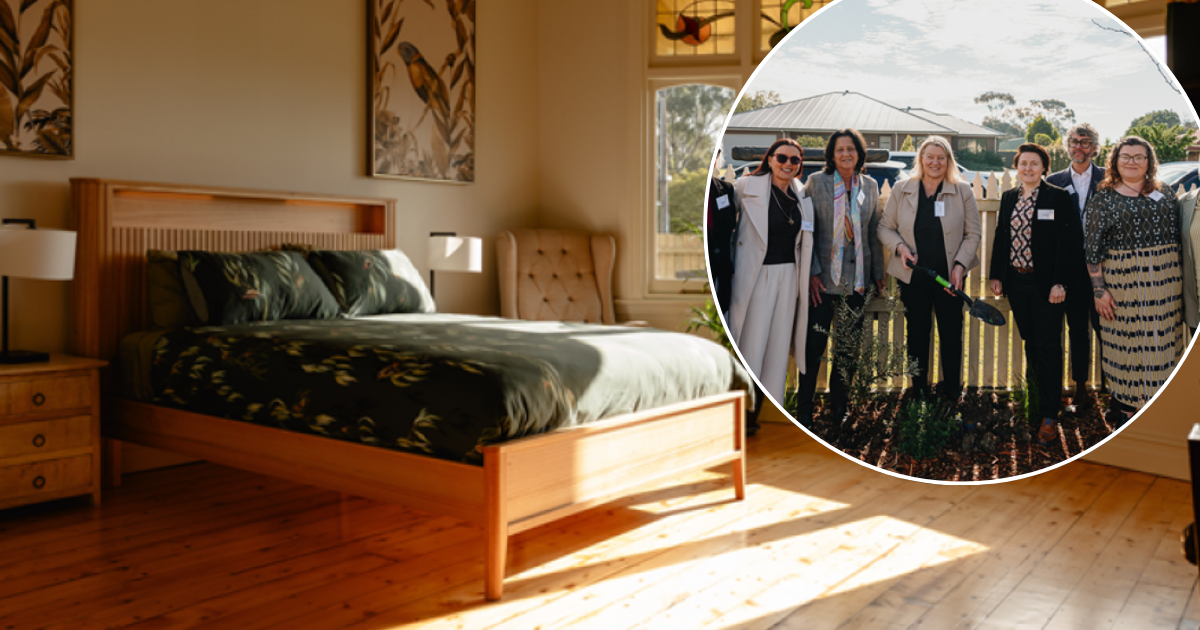
Victoria's first peer-led residential mental health service has opened in Moolap, offering a home-like alternative to hospital care. Photos: Mind Australia.


Victoria’s first residential mental health service led by people with lived experience has opened in Moolap, offering an alternative to hospital care for people experiencing acute mental distress.
Mental health minister Ingrid Stitt officially opened the Peer Healing Space last week, describing the facility as a new model of care that places people with lived and living experience at the centre of mental health support.
Backed by a $14.8 million Victorian government investment, the service provides free, short-term residential care in a home-like environment for adults experiencing a mental health crisis.
Unlike a traditional inpatient setting, residents have their own rooms and are supported by a peer-led workforce around the clock. Stays of up to three weeks are available, with people able to self-refer or be referred by health professionals.
Support is tailored to each individual and may include everyday activities such as cooking meals, joining group discussions or walking with peer workers, with a support plan developed soon after referral.
The service is operated by Mind Australia in partnership with Barwon Health and the Wathaurong Aboriginal Co-operative.
Stitt said the Peer Healing Space would expand the options available to people seeking support while helping reduce demand on hospitals.
“The Peer Healing Space puts people with lived and living experience at the heart of mental health care,” she said.
“This service provides a new option for mental health care that gives people choice, while easing pressure on hospitals.”
Mind Australia executive director Katie Larsen said the service had been shaped by the community it was designed to serve.
“The Peer Healing Space is designed by community, for community and offers a new and different path for healing for Victorians experiencing mental health distress,” she said.
The first four of the facility’s nine rooms are now open, with the remaining rooms expected to become operational later this year.
Share


Related Articles

Big plans, bigger price tag: Avalon tops election wish list
A $1 billion funding push to unlock thousands of jobs…
Corio Library to expand family memory digitisation service
Residents in Geelong’s north will soon be able to preserve…