What comes after the Geelong City Deal?
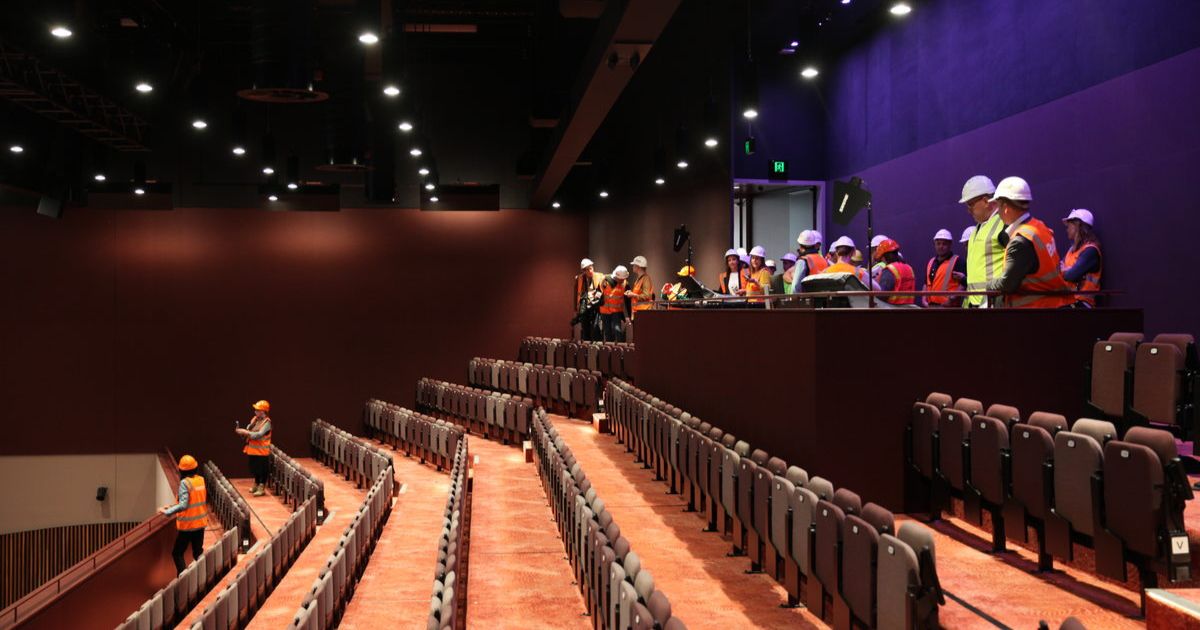
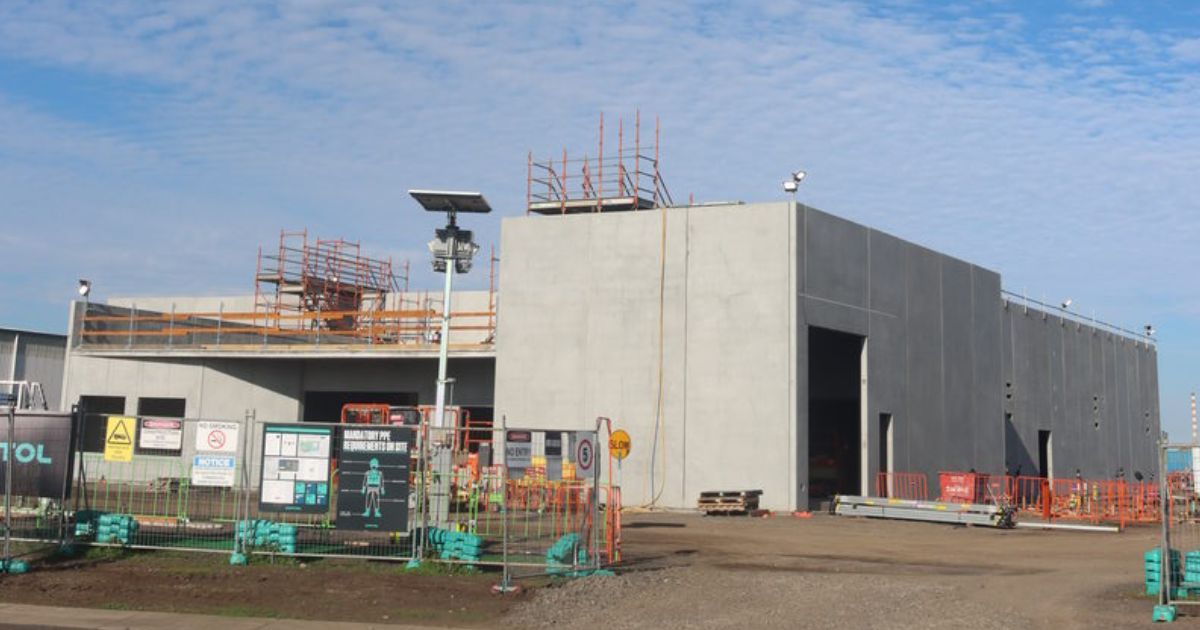
The Nyaal Banyul Geelong Convention and Event Centre, to open in July, is the centrepiece of the Geelong City Deal. Photo: James Taylor.


THE showpiece of the Geelong City Deal is nearly complete, and political and business leaders across the region are beginning to consider what will follow the 10-year agreement.
With the state and federal budgets handed down for this year, November’s Victorian election is seen as the next best opportunity to kickstart funding towards major infrastructure.
Proposed in 2017 and signed in 2019, the Geelong City Deal laid out $370 million in co-investment from local, state and federal governments.
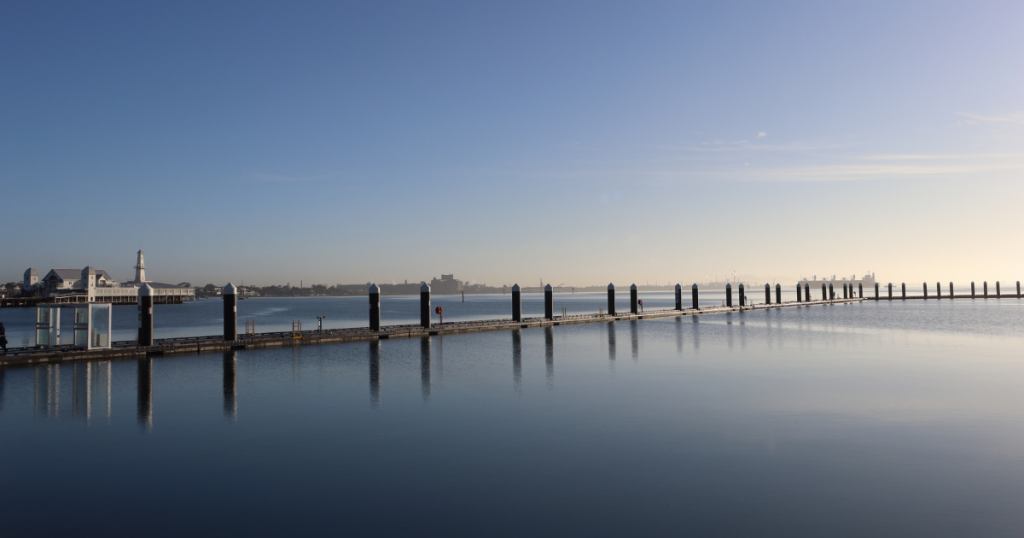
Of the 13 funded projects, eight are complete, including the Geelong Waterfront Safe Harbour Precinct and the Queenscliff Ferry Terminal.
Five projects are still in progress, with the biggest of these, the Nyaal Banyul Geelong Convention and Event Centre on the Geelong Waterfront, to host its first event in July.
Others to be finished include Lorne’s Point Grey precinct, the Twelve Apostles precinct and three central Geelong sub-projects.
Committee for Geelong chief executive Michael Johnston said there had been no significant funding for Geelong projects outside the City Deal over the past four federal budgets, and only state government commitments would “open up the floodgates” for federal backing.
“The state election is going to be so pivotal because for those big-ticket infrastructure items,” he said. “Unless there is state government-backed business cases and co-investment, we know funding is not going to flow.
“But I think it’s reasonable any significant project in Geelong that’s attracting federal government funding needs a level of co-contribution from the state and probably from council level as well, as we’ve seen in the City Deal model.”
Geelong mayor Stretch Kontelj said no partnership had delivered for the region quite like the Geelong City Deal.
“The Nyaal Banyul facility will have the greatest economic impact on this region by attracting more visitors and investment,” he said.
If a “City Deal 2.0” was on the table, Cr Kontelj said the city would push for a regional indoor sports and events centre as a flagship project, alongside an expansion of the Geelong Gallery and redevelopment of the Geelong Railway Station and Bellarine Arts Centre.
Surf Coast Shire deputy mayor Tony Phelps said projects with broad regional benefits and alignment across all levels of government were the most likely to attract funding.
He said the Geelong City Deal had been based on a visitor economy strategy connecting major destinations across the region.
“From a Surf Coast Shire council perspective, we see the value of a complementary future program that invests in cultural attractions to supplement this network,” Cr Phelps said.
This would include an upgraded Australian National Surfing Museum in Torquay.
Corangamite Labor federal member Libby Coker said people in the Geelong region wanted the infrastructure, services and supports that underpinned a good life.
“Whether it’s through a funding program or a grant opportunity, it’s responsible delivery that matters to people,” she said.
“Whether it’s investment in infrastructure, health, education or skills and employment, we are helping to create an environment where people want to live and work.”
Victorian Liberal Senator Sarah Henderson said the Geelong City Deal had been initiated by the former coalition government.
“Without this leadership, Geelong would not have attracted such significant investment,” she said.
Senator Henderson said the coalition’s proposed $5 billion Housing Infrastructure Fund could help unlock new housing opportunities in the Geelong CBD.
Share


Related Articles
Global aviation giant backs Avalon’s freight ambitions
AVALON Airport has signed a partnership with a global aviation…
Parallax performers chase grand final glory at Australia’s biggest singing competition
THREE of Geelong’s best young voices will take the stage…