When volunteers face their own fire
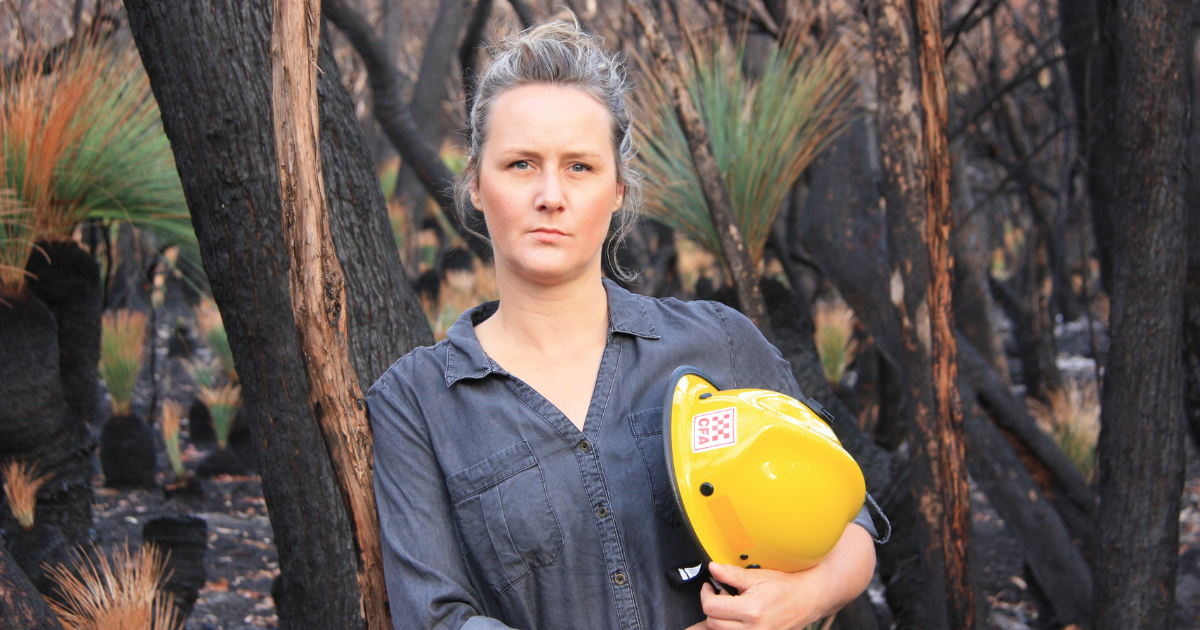
Carlisle River Fire Brigade volunteer Kirsten Dudink, a firefighter and mum who balanced frontline response with family evacuations during last month's bushfires. Photo: SUPPLIED


As fires burned through Carlisle River last month, CFA volunteer Kirsten Dudink was responding on the ground while also navigating evacuations, family separation and the realities of raising young children in a high-risk bushfire area.
A firefighter and secretary with the Carlisle River Fire Brigade, Dudink has lived in the small Otways community for five years. Both she and her husband were quick to volunteer.
“It’s just one of those areas that is a really high fire-risk,” she said. “You’re always prepared for the worst each summer.
“But it’s the hidden secret of the Otways. Carlisle River is just one of those places that’s magnificently beautiful.”
When that first call came in, Dudink was straight on the truck.
“There were just little columns of smoke as we were coming into town and we’re just like ‘Oh no, this is going to be bad’.”
But with their home directly in the fire zone, she was forced to evacuate the next day with her two young children, one who has only just started kindergarten.
“My husband stayed at home, but he was also on the fire truck trying to juggle getting on the truck and keeping an eye on our place,” Dudink said.
“The idea is that, wherever possible and where it’s safe, fire trucks will be deployed to homes to try and protect them. But sometimes that’s just not possible.”
The fire came as close as the driveway, stopped at the crucial moment by aerial bombers.
Carlisle River’s location, surrounded by national parks and state forests, means Forest Fire Management (FFM) is the lead agency for the area. Dudink says it is reassuring to know specialists are constantly surveying the area.
But for the small volunteer brigade of about 20 members, who complement FFM’s efforts, work has already begun to fundraise for more equipment to help them when they face their next big fight.
The brigade is hoping to purchase an ultralight vehicle better able to access the sandy tracks, steep terrain and isolated properties that are difficult for larger trucks to reach.
A GoFundMe has been set up, with a target of $30,000. The brigade is confident a grant, facilitated by the CFA, will help it secure the rest of the funds needed.
“This is about making sure we’ve got the right resources to access properties, to talk to people, to get them out, to support them with what they need to do if the fire’s approaching,” Dudink said.
She said the brigade is excited for the opportunity to expand its equipment, following a welcome upgrade to the brigade’s fire truck last year.
“We’re pretty rapt with our fire truck,” Dudink said. “It’s a fantastic appliance and obviously came in at just the right time for us.”
Returning home has brought a different kind of vigilance, with volunteers continuing patrols and monitoring unburnt sections around the township.
Dudink’s focus remains on her children and helping them re-establish a normal routine.
While not yet old enough to understand the extent of the threat they’ve faced in recent weeks, Dudink said the evacuations and separation from their father had left them feeling unsettled.
“[We’re] hoping that we don’t have any more spike days in the weeks to come, but that’s just the reality, and February is one of the worst months of the year,” she said.
“We have to be prepared and packed and ready to go in case anything kicks off again.
“It’s a balance for us as parents to make sure that they accept this is part of our life and that there’s things we have to do to stay safe. But we still love where we live and we want to stay here.”
Dudink urged anyone interested in supporting their local community, whether in Carlisle River or along the Surf Coast and into Geelong, to consider volunteering with their local brigade.
“Every person is obviously very valuable to the brigade,” she said.
“The challenge for us is always recruiting firefighters because there’s just not as many people around, which is the issue for a lot of the smaller brigades in these parts of rural Victoria.”
Share


Related Articles
Global aviation giant backs Avalon’s freight ambitions
AVALON Airport has signed a partnership with a global aviation…
Parallax performers chase grand final glory at Australia’s biggest singing competition
THREE of Geelong’s best young voices will take the stage…