Free transport fares fall flat without services, councils warn
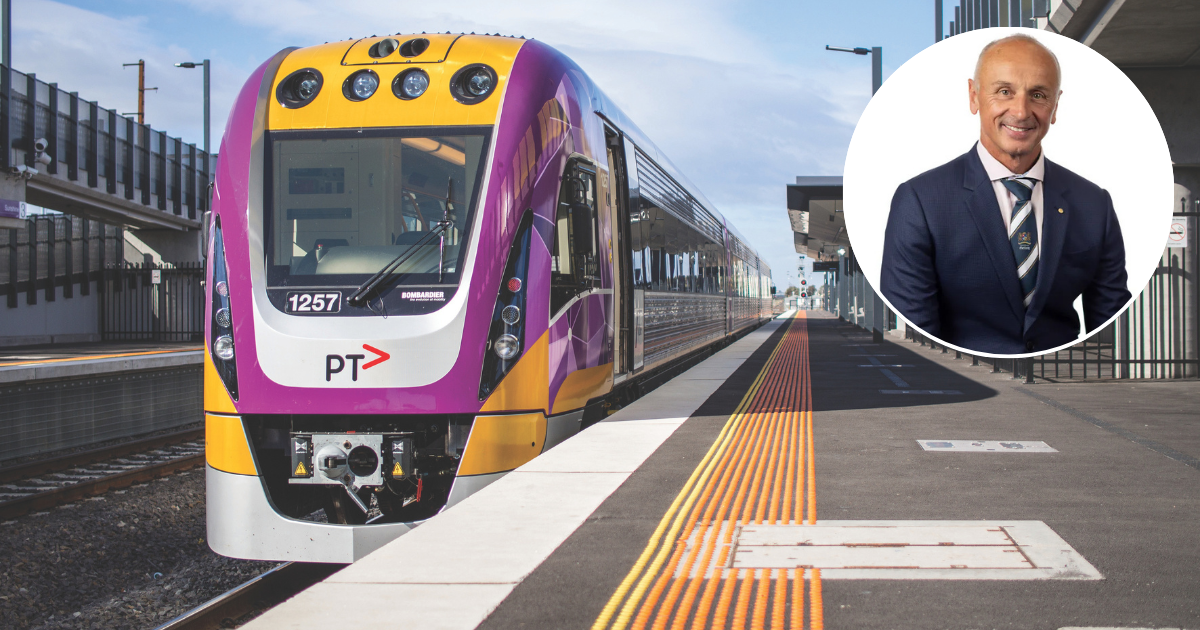
Geelong leaders say service gaps are preventing many residents from making use of cheaper public transport. Photos: Supplied.


LOCAL councils say fare cuts are missing the mark, with large parts of the region still cut off from reliable public transport.
The G21 Alliance – representing Geelong, the Surf Coast, Queenscliff, Colac Otway and Golden Plains – has written to the state treasurer urging a strong transport focus in next month’s budget.
While cheaper and free fares have boosted patronage, the alliance says significant gaps continue to limit how many people can use the network.
G21 chair Jason Schram said attention must now shift to expanding routes and boosting frequency to meet demand.
“Free travel now and cheaper fares next will help households, but only if people have services they can actually use,” he said.
“There is strong population growth across much of the G21 region, yet people don’t have enough public transport options to fully benefit from the savings on offer.”
The group is pushing for stronger links between Geelong and Colac, Avalon and Werribee, as well as the return of passenger rail between Bannockburn and Geelong.
Geelong mayor and G21 deputy chair Stretch Kontelj said major gaps in the network were continuing to funnel more people onto already stretched roads.
“Geelong and Werribee have been without a direct public transport connection since 2015, forcing more people onto the road network and putting growing pressure on the Princes Highway,” he said.
“Avalon is emerging as a state-significant jobs and transport hub, so it is critical that we have a direct rail link to enable a faster, more reliable connection across this critical growth corridor.”
Jac Torres Gomez is one of thousands of Geelong-based commuters. Working in Werribee and living in Newcomb, she does not have clear access between her home and place of employment.
To get to work, she cycles to South Geelong Station, catches a train to Tarneit, then rides the remaining distance to Werribee.
The trip can take more than two hours each way, making it difficult to balance work and family commitments.
Her experience reflects broader challenges across the region, with long delays for commuters travelling east to Melbourne, west to Colac, or along the Surf Coast.
“The earliest service from Geelong to Colac currently arrives after 9.30am, which makes commuting by rail effectively impossible,” Schram said.
“While cheap and free public transport is a good short-term investment, we also need to future-proof services so people actually use it in the longer term.
“This includes longer trains, moving from three carriages to six, so people from towns right along the line can rely on getting a seat and travelling comfortably.”
Alongside rail and bus upgrades, the alliance is also calling for a predominantly off-road bike path linking Torquay and Geelong, aimed at giving commuters a safer, more direct alternative.
Share


Related Articles

Teachers walk off the job for second time as AEU pushes government for deal
Victorian public school teachers will strike for the second time…
Mannagh bullish as Cats prepare for Saints test
Geelong forward Shaun Mannagh says the Cats remain confident they…