Biofuel front & centre in the region
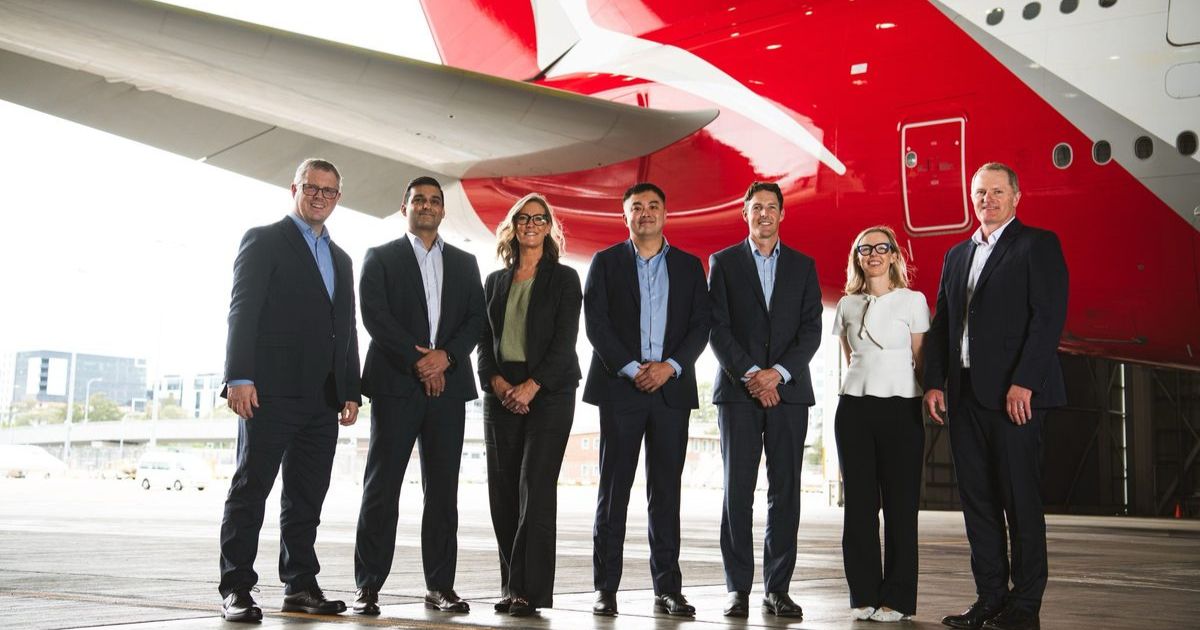
The Green Triangle’s vast plantation estate is emerging as a key feedstock source for Australia’s push into low carbon methanol and sustainable aviation fuel production. (Photo Credit: Qantas)


A $10 million plan to convert plantation forestry residues from Victoria’s Green Triangle into sustainable aviation fuel (SAF) and marine fuel – a move that could transform the economic outlook for the state’s forest-dependent communities along the west coast – has been backed by Qantas, Airbus and ThyssenKrupp Uhde HAMR Energy spearheads the plan that is viewed as an exciting development by Timber Towns
“It demonstrates that forestry residues are not waste – they are a valuable resource that can be turned into low-carbon fuels for use in aviation and shipping, creating jobs and new income streams for regional Victoria,” Mrs Stephens said.
HAMR Energy’s flagship development, the Portland Renewable Fuels facility in the Green Triangle, will convert forestry residues into 300,000 tonnes of low-carbon methanol each year, creating hundreds of construction jobs and a steady market for byproducts from Victoria’s timber towns along the west coast.
Whilst a second project – described as Australia’s first major methanol-to-jet plant – was expected to produce 135 million litres of SAF annually and support hundreds of regional jobs.
According to Nick Chan, Director of Corporate Strategy for OneFortyOne, which manages plantation estates in Australia and New Zealand, the investment is ‘a defining moment for plantation forestry in Australia’, pointing to the Green Triangle’s scale, year-round operations and established logistics as key advantages in supplying feedstock for low-carbon fuels.
For Qantas, which has committed to using sustainable aviation fuel as part of its decarbonisation strategy, the benefits extend beyond aviation.
Qantas chief sustainability officer Fiona Messen said HAMR Energy’s vertically integrated model represented a significant step forward in establishing a local industry.
“A domestic SAF sector means jobs, regional investment, and economic growth across Australia,” she said.
Victoria’s Forest Products Association CEO Andrew White said plantations could underpin a future biofuel economy.
“Plantation wood fibre residues and byproducts that might otherwise go to waste will be transformed into renewable low-carbon fuels – helping to decarbonise heavy transport, shipping and aviation,” Mr White said.
HAMR Energy Director Alex Smith said the research was showing how residues from plantations across Tasmania, Western Australia and the Green Triangle could be converted into low-carbon fuels, helping forestry businesses unlock new value from their plantations while reducing emissions from aviation and shipping.
The investment also comes as the Australian Government’s $1.1 billion Cleaner Fuels Program was already supporting HAMR Energy’s Portland project.
Global demand for SAF is expected to grow significantly, with projections indicating demand could reach 500 million tonnes by 2050.
Australia, with its abundant plantation resources and established forestry logistics, is well positioned to become a major producer.
Cr Stephens said the situation underscores the importance of government and industry working together to support Victoria’s timber towns through transition and beyond.
“Our communities have always understood the value of the plantation estate. This investment is proof that the forestry sector has a strong and diversified future – and we call on the Victorian Government to recognise the strategic importance of the Green Triangle and ensure regional communities capture the full economic benefit of Australia’s emerging renewable fuels sector,” she said.
Share


Related Articles
Journalist turned teacher unveils debut novel
MOUNT Gambier Library will host former journalist turned teacher Ralph…
Community to have their say on re-establishing toy library
UNITED Way Glenelg is exploring the possibility of re-establishing a…