Learning to fail well
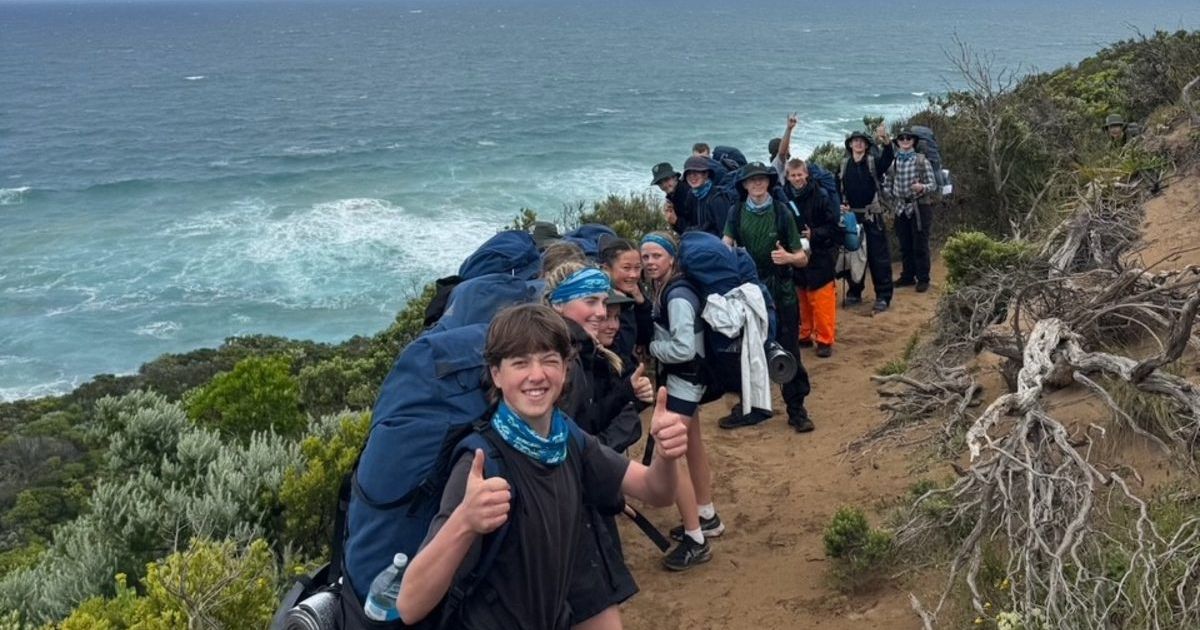
Year 8 camp experiences push students beyond their comfort zone, building confidence, resilience and capability through challenge.


WE don’t talk about failure particularly well in schools. Or at home, for that matter. It’s something to avoid, soften or quietly move past: a disappointing result, a missed team selection, an audition that doesn’t land.
But failure, handled properly, is one of the most powerful learning tools young people have.
The problem isn’t failure itself. It’s the way we frame it.
For many students, the first real experience of failure comes late: senior school, final exams or high-stakes sport.
Until then, they’ve been successful enough to stay comfortable. When something doesn’t go to plan, it can feel defining rather than developmental.
That is where schools and parents need to shift the narrative.
This is something The Geelong College sees play out every day, not just in the classroom, but across sport, experiential learning and co-curricular life.
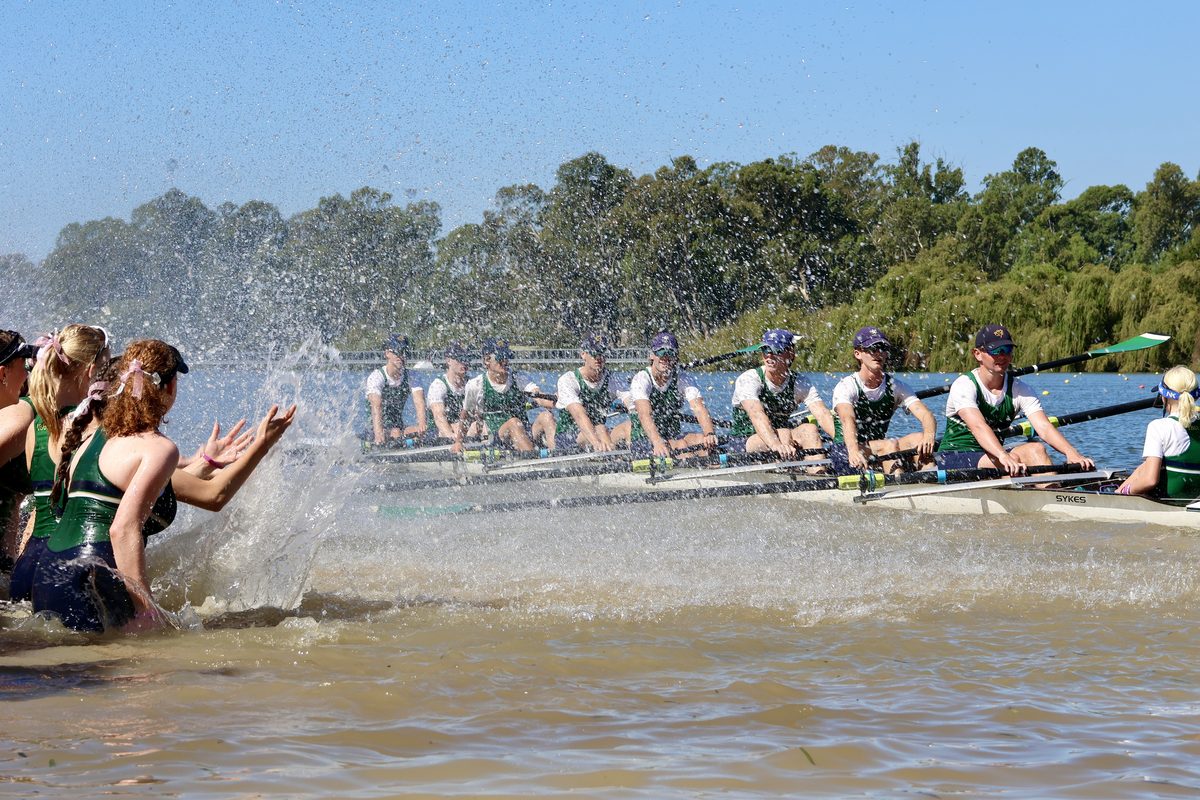
Take rowing, for example. Crews train for months for a single race, knowing only one boat crosses the line first.
For most, the result isn’t what they hoped for. Yet it is in the aftermath – the debrief, the reflection, the decision to go again – that the real learning happens.
Or on a year 8 camp, where students are pushed well beyond their comfort zone.
There are moments where things don’t go to plan, physically, mentally, emotionally. But supported in the right way, those experiences build confidence and capability that simply can’t be developed in a classroom alone.
Learning to fail well isn’t about lowering expectations or celebrating mediocrity. It is about helping young people understand that effort, reflection and response matter more than the result itself. It is about separating identity from outcome.
“We want our students to aim high and care about their results, but not be defined by them. The real measure is how they respond when things don’t go their way,” The Geelong College principal Simon Young said.
The key is exposure. If young people only encounter challenge at the point where it really counts, the stakes feel overwhelming.
But if they’ve experienced smaller, supported setbacks along the way – in sport, on camp, in performances or assessments – they build the capacity to respond.
Resilience isn’t something you can talk into existence. It is built through experience.
There is also a role for adults in how we respond.
It is tempting to fix things, to smooth the path or explain away the outcome. But often, the most helpful response is to pause. Let the disappointment sit. Ask questions. Help young people reflect, rather than rescue them from the feeling.
Because that’s where the growth is.
This approach sits at the heart of The Geelong College, a place where learning, character and community come together, and where young people are supported to grow not just through success, but through challenge.
See this and much more in action at an open day.
Register at tgc.vic.edu.au/enrol/open-days
//SPONSORED CONTENT
Share


Related Articles

Discover Christian College at two events in May
I’D like to warmly invite you to two special events…
Steiner education: why it is different
STEINER education is the world’s largest independent education movement, and…