The sound beneath the surface
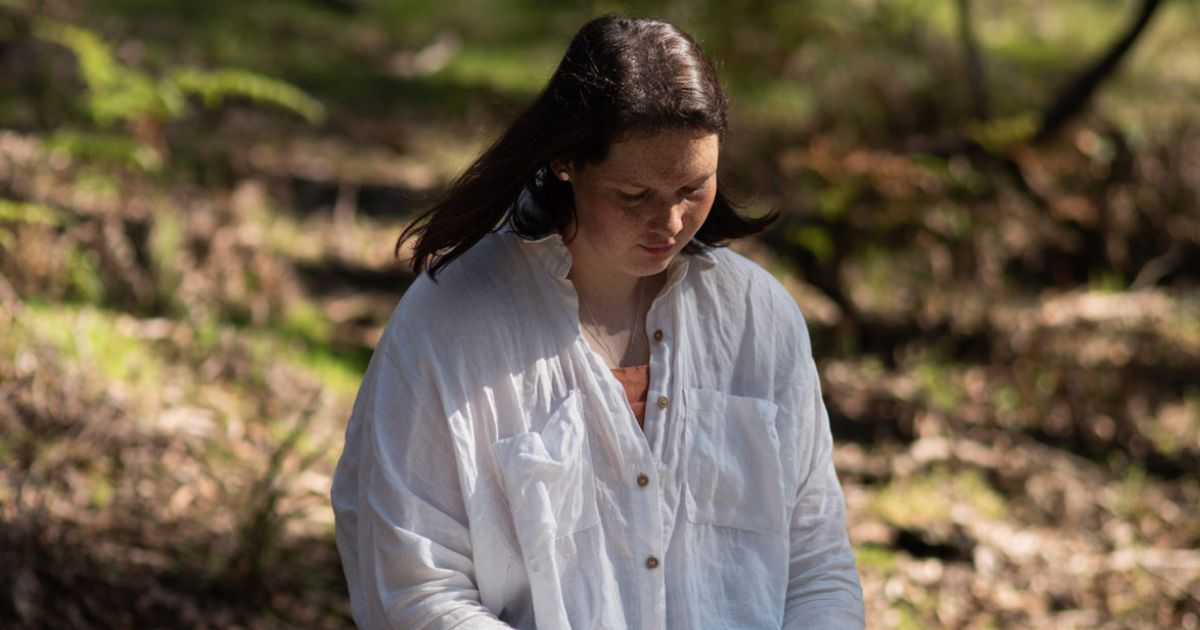
Around each recording she builds an archive – of notes, drawings, photographs and voice memos – documenting season, weather and activity. Photo: Benjamin Hoffman


ALONG the Barwon, the Otways and the urban edges of Melbourne, Lucy Allinson records what a place sounds like, and what disappears when traffic and human noise take over.
Trained originally as a painter, the Geelong artist moved into sound art after an elective during her fine art degree at Monash University introduced her to the field.
She spent her honours year sonically comparing the Barwon and Yarra rivers. What she expected to be a year spent recording nature instead became an investigation into how noise reshapes environments people assume are protected.
“I thought it would be a really fun year,” she said. “I’ll be able to go and record nature. And then I soon learned that the effects of noise pollution are quite harmful in these places, especially in Melbourne along the Yarra.
“There are points where there’s only traffic, or there’s only noise pollution around. You can see birds, but you can’t hear them.”
That realisation redirected her practice. Since 2019, Allinson has returned repeatedly to locations across Geelong, Melbourne and the Surf Coast to map and record them as they change.
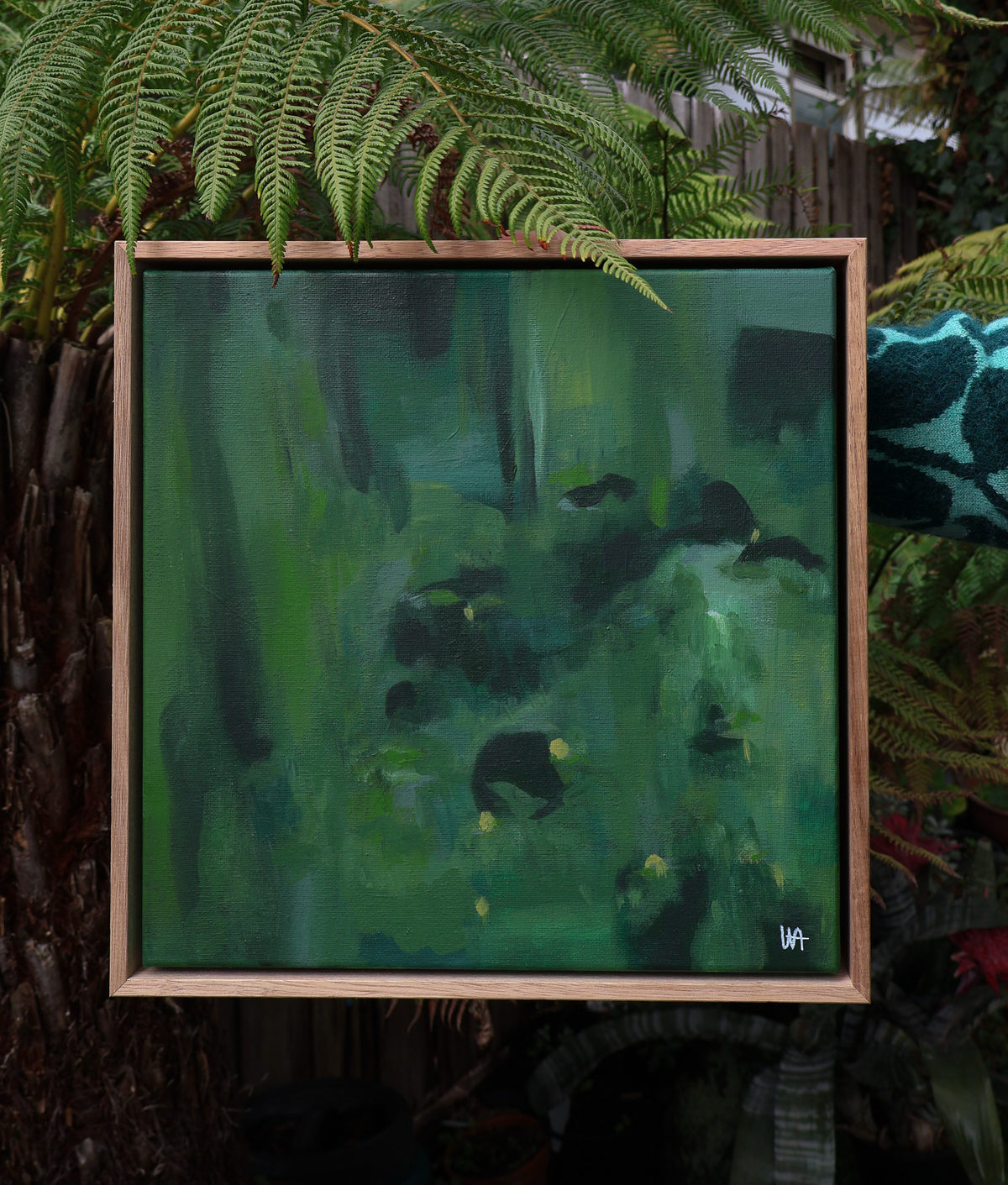
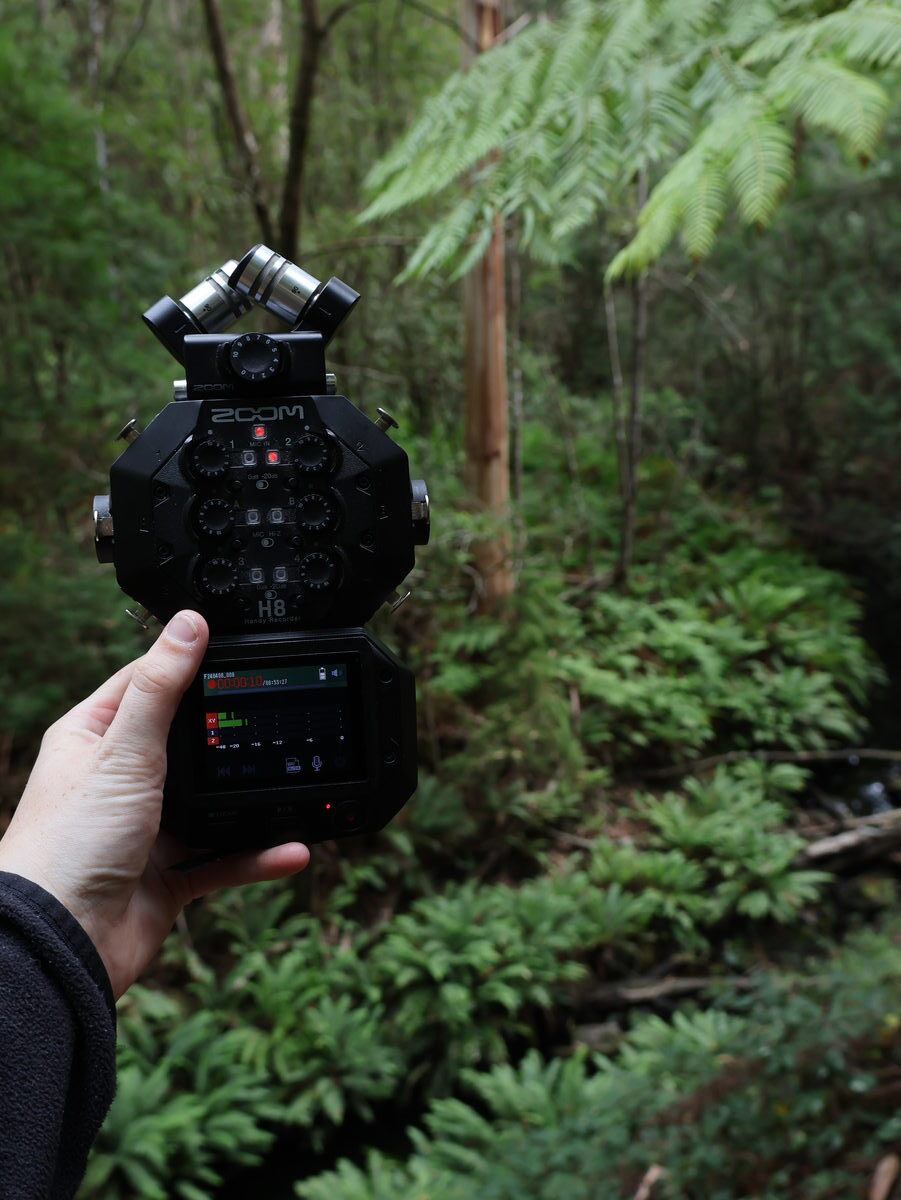
Her process is patient and repetitive. Using a field recorder, she places the device in a landscape and sits away from it, sometimes for an hour, while the environment unfolds.
Around each recording she builds an archive – of notes, drawings, photographs and voice memos – documenting season, weather and activity.
Over time, birdsong has become a central marker in her work.
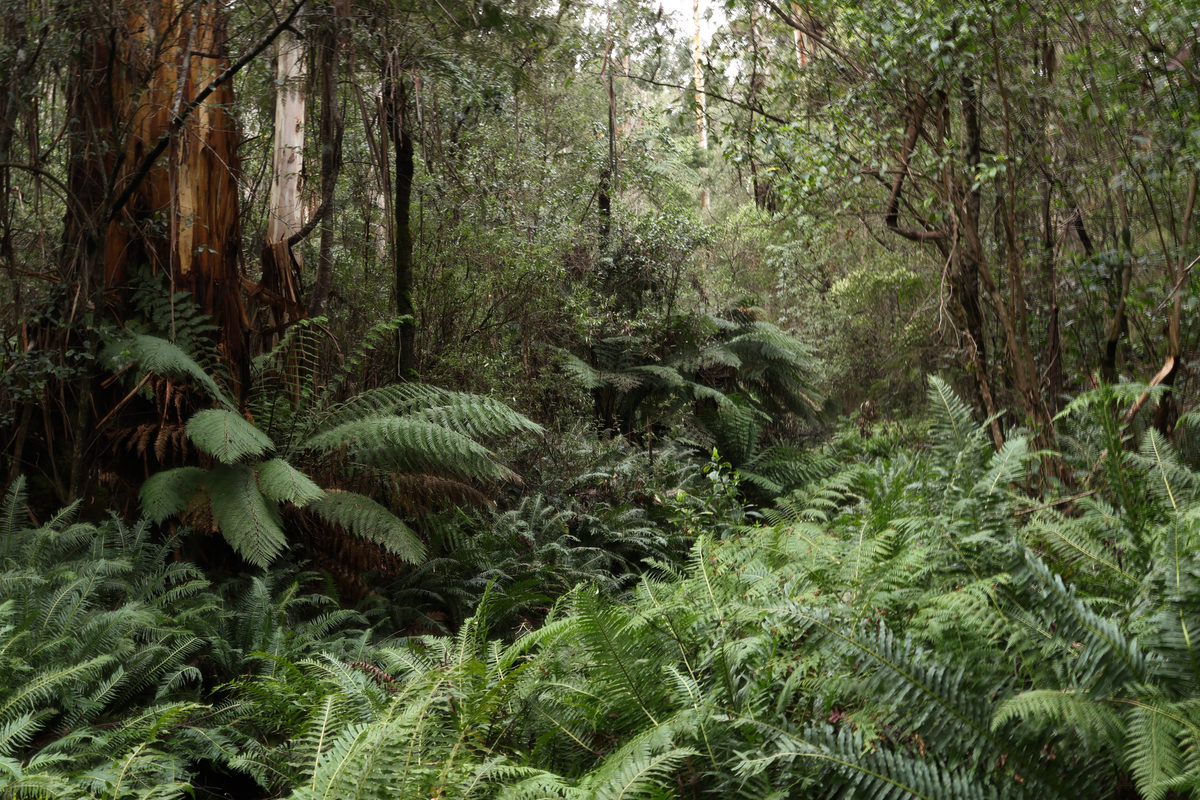
“We have a lot more bird species around Barwon River than we do the Yarra because the effects of noise have stopped, or killed off, a lot of what was around many years ago,” Allinson said.
“It can be quite sad…noticing the loss of birdsong or how much traffic is around and the levels of noise pollution.
“But it’s also quite a beautiful practice. I love hiking. I love being in nature.
“It’s very calming to be able to come out and step into a practice that’s not going to cause too much chaos and stress in my life.”
She hopes her work can raise awareness before too much is lost.
“Let’s maintain what we have at the Barwon and let’s maintain the species we have there,” she said. “And let’s try and avoid what Melbourne has unfortunately lost.”
The 29-year-old describes herself as an acoustic ecologist, someone interested in the act of listening itself and how it shapes experience. This practice has changed how she moves through daily life and her connection with the world around her.
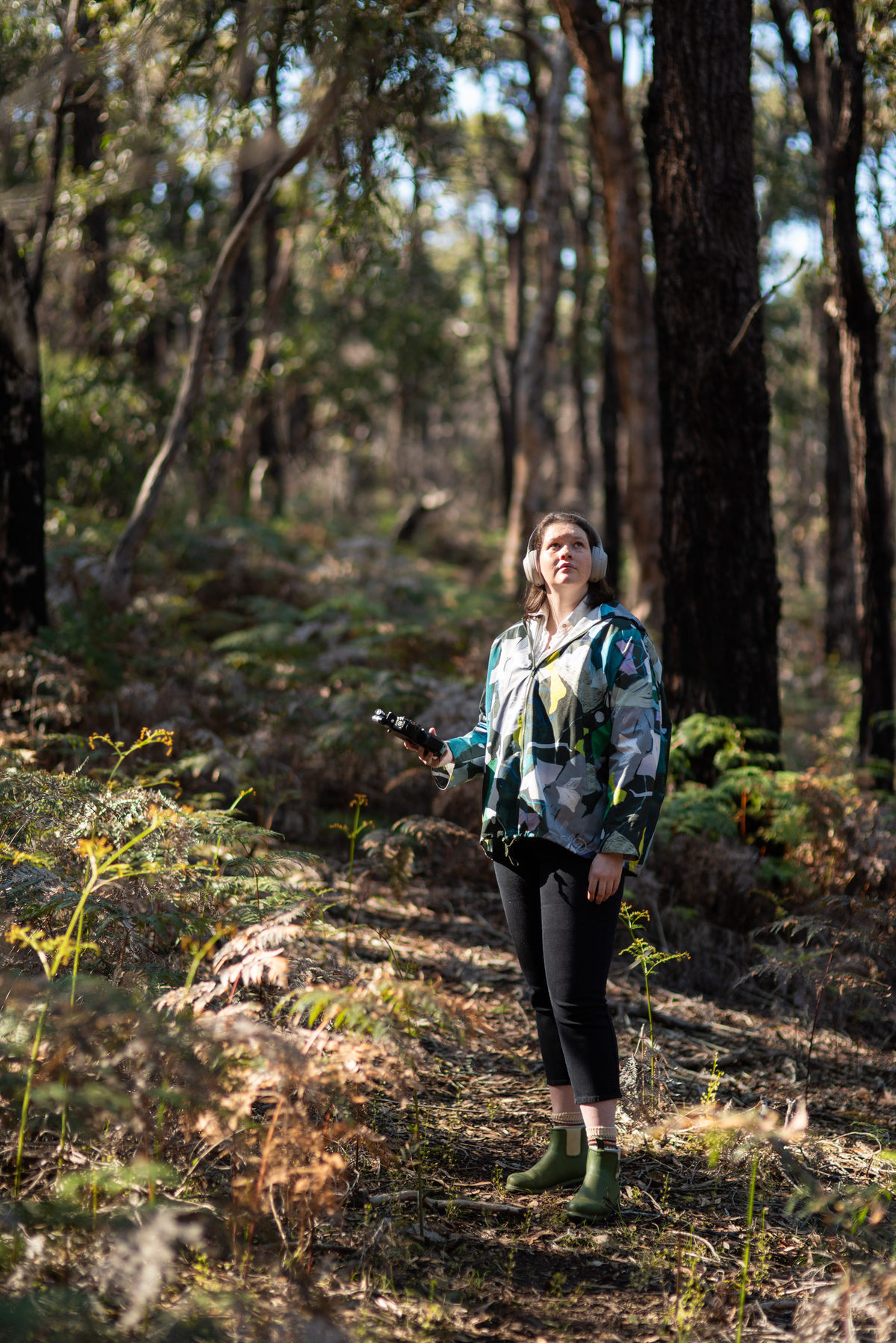
“I’m definitely hyper aware of sound in every space that I go into,” she said. “Maybe it allows me to experience the world a little bit differently.
“I can hear everything that’s happening.
“We’re brought up in such a visual world. Sound is kind of pushed aside.
“But while we can close our eyes, but we can’t ever close our ears off. We’re always present with sound.”
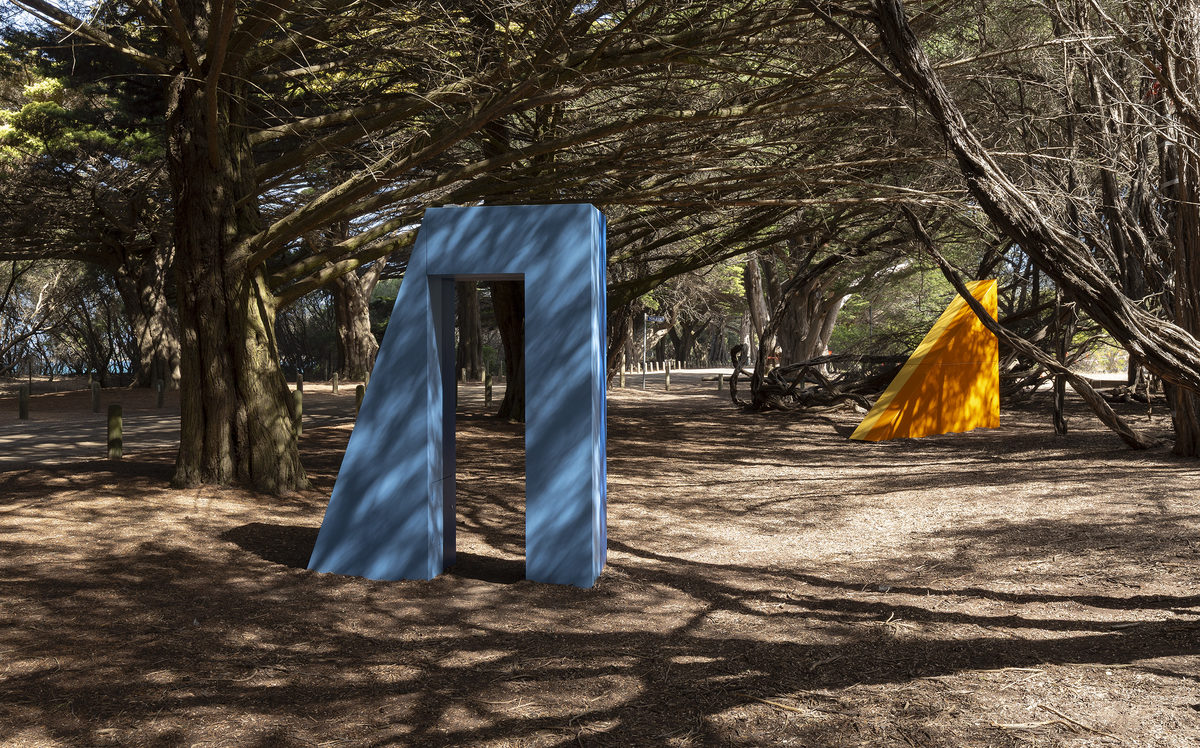
Her exhibitions translate her observations into layered installations where recordings sit beside painting, drawing, field notes and photography. The visual works respond to the rhythm and atmosphere of a location, while sound anchors them to a real place and time.
The intention is not simply to document nature, but to shift perception. Rather than telling viewers what to think, the work slows them down long enough to notice what is already there.
Outside the gallery, Allinson runs listening workshops where participants map the sounds of their own daily routines – kettles boiling, footsteps across a floor, traffic through an open window – before taking the same approach into outdoor spaces.
“A lot of people come back and say, ‘I can’t unhear my highway next to my house now’ and I’m like, welcome to my world,” she laughs.
In April, Allinson will bring together eight years of her research for an exhibition at the Kingston Arts Centre in Moorabbin.
Share


Related Articles
Shaped by the sea: The resurgence of Morgan Bridgeford
THE idea of creating again helped Morgan Bridgeford through the…
140-year-old comedy still strikes a chord
MORE than 140 years after it first premiered, Gilbert and…