The nose behind Australia’s top spirits awards
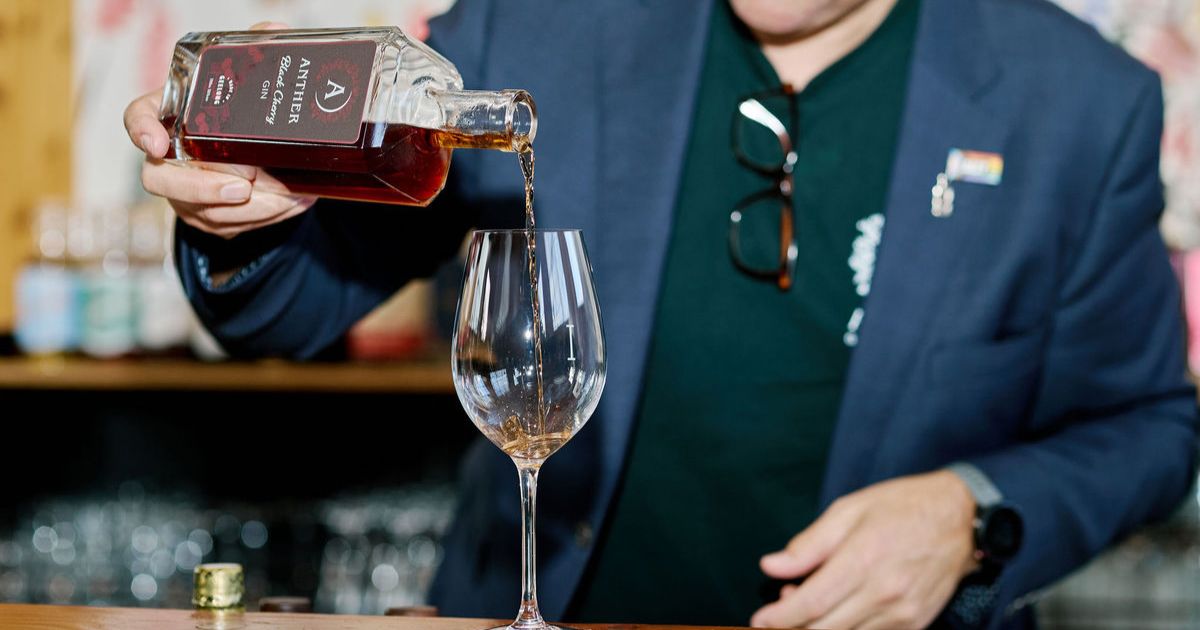
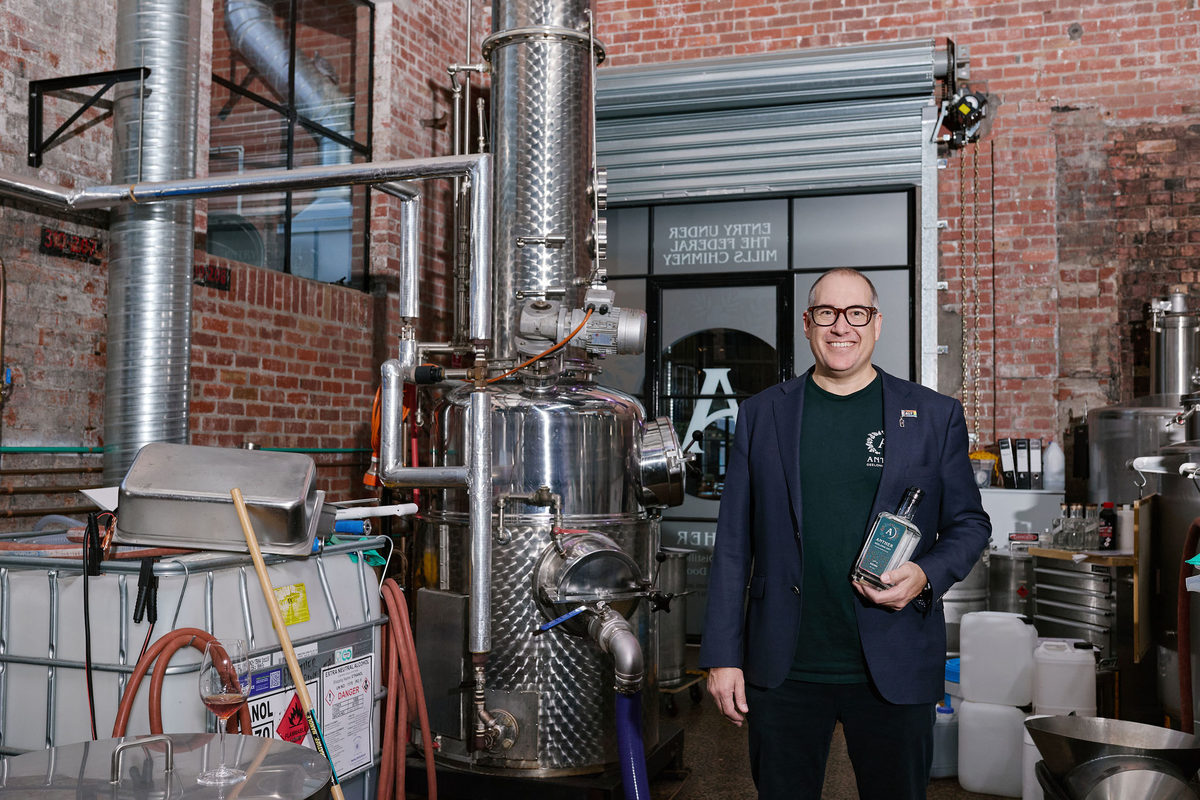
Sebastian Reaburn learned his craft from London bartenders in the late 1990s and started Anther Spirits in Geelong in 2016. Photo: Matthew O'Donnell/Hails + Shine.


GEELONG distiller Sebastian Reaburn will cast his expert eye and palate over products from around the world at this year’s Melbourne Royal Australian International Spirits Awards.
The Anther Spirits co-founder has been part of the judging panel since the Royal Agricultural Society of Victoria officially revived the awards in 2015, and has this year been appointed one of the two head judges.
Reaburn learned his craft from London bartenders in the late 1990s and later helped establish spirit brands 42 Below, Cape Grim Vodka and Grainshaker.
He and head distiller Dr Dervilla McGowan started Anther in 2016 and moved into the company’s home in Federal Mills four years later.
Reaburn has judged every category of spirits at the awards and said being asked to take part is the highlight of his year every year.
Being a head judge will give him a wider view of all the entries for the first time but also means adjudicating spirits at opposite ends of the quality scale as well as line-ball entries.
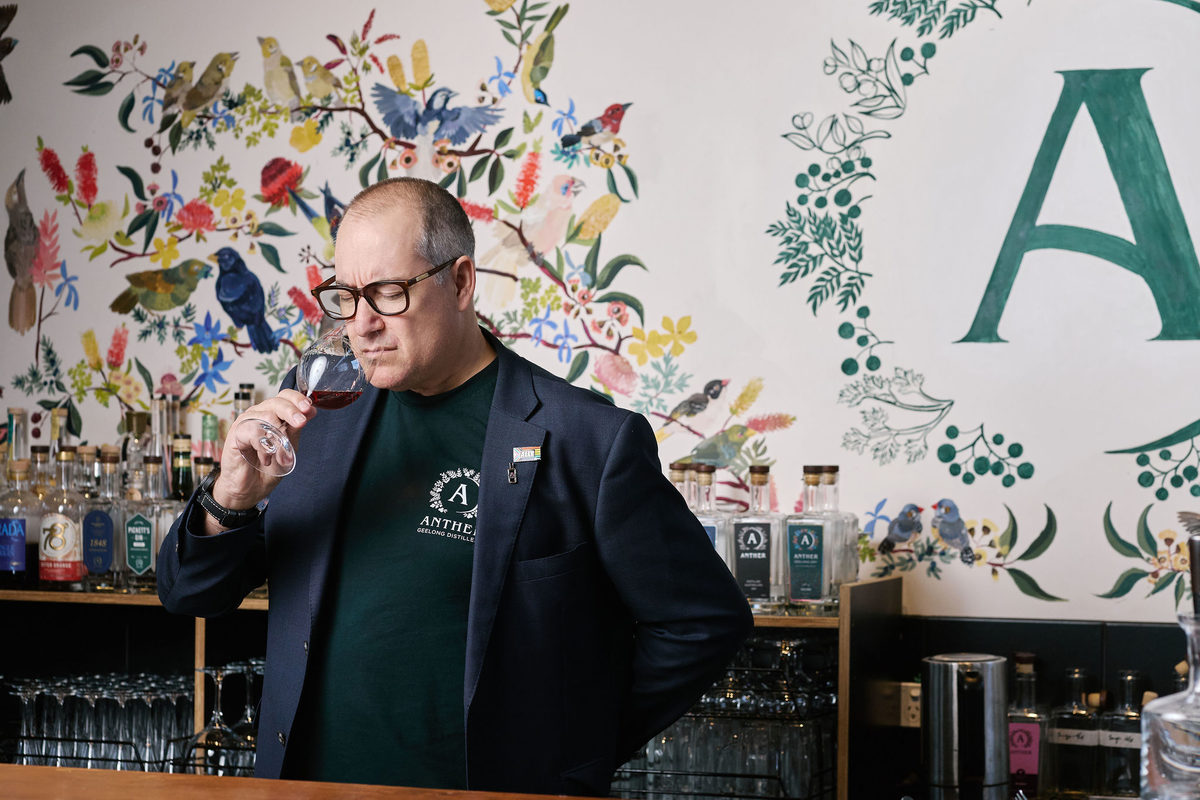
“I’m really excited to be able to taste a bit of everything, and because those are the moments when the head judge might get called in, I’m probably going to taste the best and worst,” Reaburn said.
“The other ones that we’ll probably taste as head judges are ‘Is this an 89, which is a silver, or is it a 90, which is a gold?’.
“They are the most important judging decisions you make, because the difference between a gold and silver is a big deal.”
In the Australian International Spirits Awards, entries are judged “blind” and assessed on their own merits rather than being ranked against each other, with bronze, silver and gold medals only given to entries that meet the criteria.
All the judges have expertise in their field, and Reaburn said being able to express what was being tasted was essential.
“You have that physical experience of flavour but when you translate it to words, just using your own words, that’s when it becomes portable and useable,” he said.
“That’s when you can communicate with people, and that’s when you can judge a spirit.
“It’s actually a layer of analysis that we don’t do in normal life. We just say ‘Oh, that was an experience. I like it, I don’t like it, it was a bit sharp, it was a bit heavy’ but we don’t necessarily actually put it into language.”
Reaburn said the quality of Australian spirits had improved markedly during his decade judging the awards, with fewer categories now going without a medal.
He said the trend reflected a significant lift in standards across the industry compared with 10 years ago.
Despite that improvement, Reaburn said earning a gold medal remained, and should remain, a difficult achievement.
“You don’t just have to do something that’s technically excellent – it also has to have some character about it. It has to tick all the boxes,” he said.
“We’re seeing a lot of things that five years ago, producers may have gotten no medal or maybe just scraped a bronze but they’ve moved up into a high bronze or a silver.
“So they’re making their product better, and that, to me, says that the whole category is improving.”
Judging for the Melbourne Royal Australian International Spirits Awards begins on 7 July.
Share


Related Articles
Lara’s path back to senior competition revealed after review uncovers club-wide issues
Lara Football Netball Club has three months to prove it…
Opposition leader Jess Wilson makes her pitch to local voters
Opposition leader Jess Wilson says the Geelong region has been…