Tourism, land protection continue to be top priorities for Aireys Inlet residents
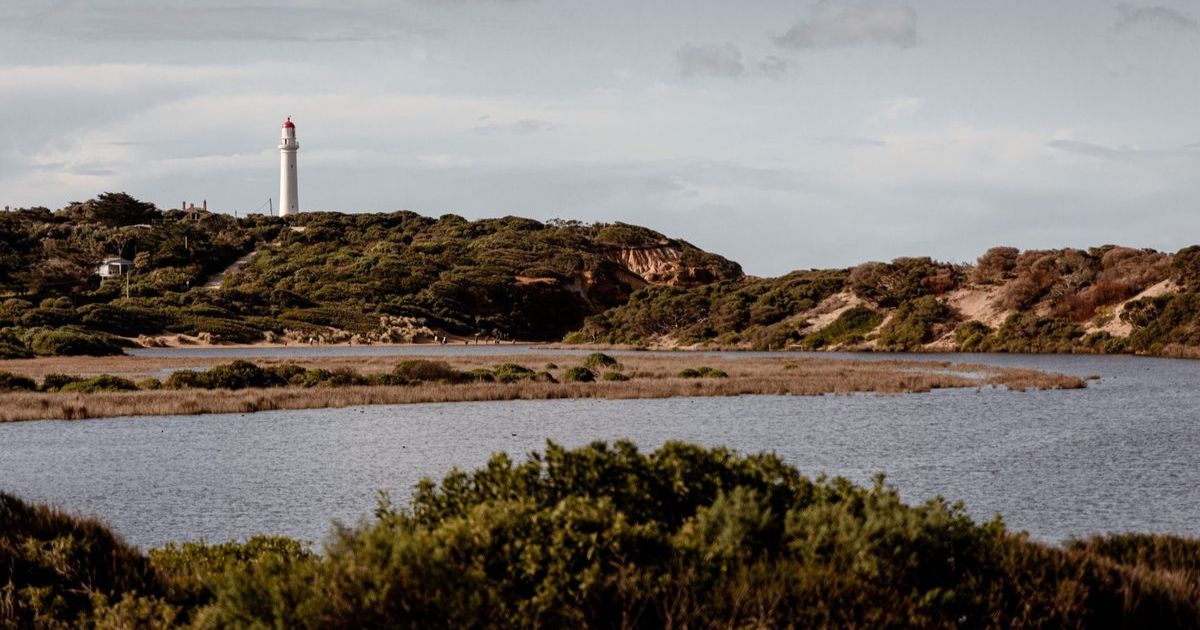
AIDA's latest survey shows the people of Aireys Inlet wish to protect the region's natural beauty. Photo: Great Ocean Road Coast and Parks Authority


TAHLIA SINCLAIR
For 40 years, the residents of Aireys Inlet have maintained their community values with “exceptional consistency”.
Results from the latest Aireys Inlet and District Association (AIDA) community attitude survey show the region’s concerns remain rooted in overtourism and protecting the area’s natural resources.
Association president Ian Laging said the results are in line with previous editions of the survey. One specific concern was the impact of overtourism in the region and a desire to increase so-called slow-tourism.
Laging said the impact day-based buses and charters have on infrastructure is also a concern, as is the lack of economic benefit these tours have on local businesses.
“You don’t judge success by numbers, you judge success by the quality of experience,” Laging said.
“We argue for a better tourism for both our local residents, but also our tourism traders. We believe that slow-tourism, where people stay in the precinct longer and appreciate the qualities of the town, means that they will also spend money within the town and there’ll be benefit to our local community.
“From that, we get the preservation of the environment through controlled tourism, but we also get the commercial benefit from tourists being there as well.”
The continued running of these tours through fire danger periods also piqued concern, with the community indicating they want improvements to fire and flood protection in the district.
Laging said the community has become hyper-aware of the vulnerabilities the community faces due to climate change, particularly in relation to fire and flood.

Results from the survey show that infrastructure priorities have shifted towards resilience within the region.
Emphasis was made on drainage and community fire shelters, which also echoes a downturn in support for conserving the entire area AIDA covers.
AIDA’s report said this could be interpreted as a growing recognition of fire risk and climate adaption needs, and an increasing desire for adaptive stewardship of the environment rather than ‘leave it alone’-thinking conservation.
Laging said there is clear support from the survey respondents for limited and carefully managed change in the region, with strong opposition to increasing scale or demand within the region.
Overall Laging felt the results of the survey were consistent with expectations, though he noted a decrease in respondent numbers, which he put down to survey fatigue.
AIDA has made the full report available to read online, in hopes the findings can be used by other community groups and government agencies.
“Together, the results reflect a community that cares deeply about place, pays close attention to change, and wants decisions about its future to be grounded in evidence, lived experience and long-standing shared values,” Laging said.
Share


Related Articles
Liberals defend safety of 110kmh freeway plan
The Liberals have dismissed concerns their proposed 110kmh speed limit…
Teachers walk off the job for second time as AEU pushes government for deal
Victorian public school teachers will strike for the second time…