What causes a recession?
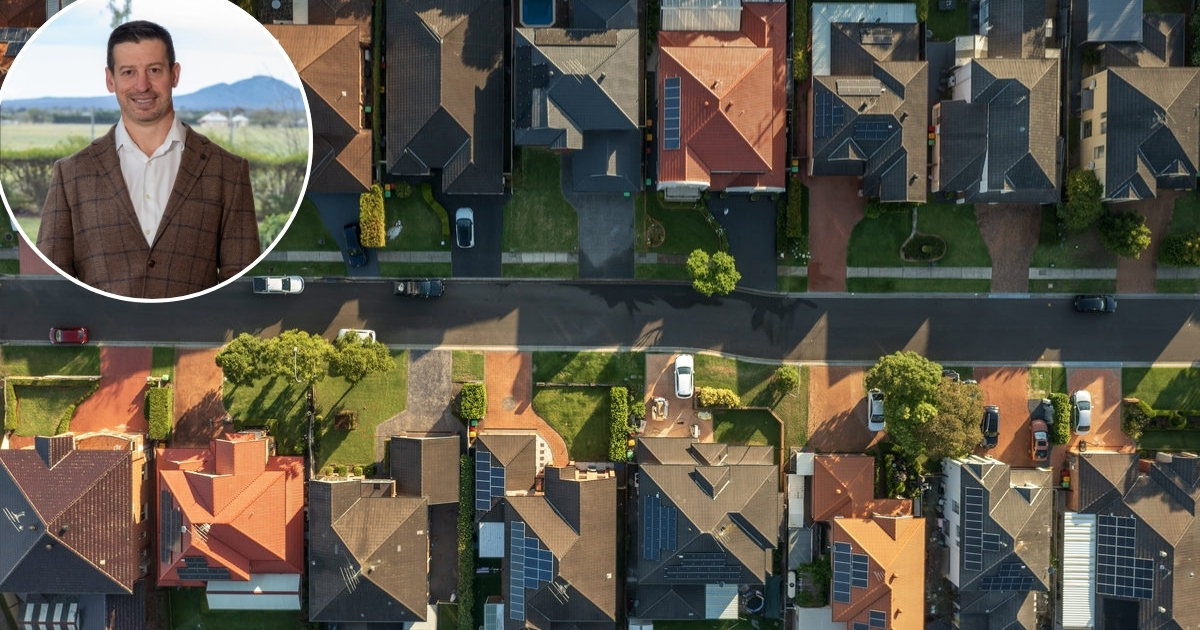
The property sector is a major economic driver, supporting a wide range of industries that could be affected by a prolonged slowdown in activity. Photo: Harley Kingston.


HIGH interest rates, falling consumer confidence, housing market downturns, high inflation and lastly rising unemployment. Any guesses as to how we are tracking on these? Not great!
When the foundations of good governance deteriorate, the risk of recession rises rapidly.
The recent housing and taxation reforms are an example of poor governance, tacked on to the back of years of overspending.
I surmise that our government bodies, at all levels – which clearly are now run by career bureaucrats – have very little understanding of how this country’s economy works.
They make politically motivated, short-term decisions with no consideration of the ripple effect of their decisions, nor do they appear to understand basic business structures which are set up for asset protection, not for taxation avoidance.
One of the ripple effects that is happening right now, before our very eyes, is the number of job losses that have just started in the property ecosystem.
The property industry has come to a standstill and people are losing jobs.
This industry is one of Australia’s largest, contributing over $230 billion annually to GDP and supporting more than 1.4 million jobs directly.
Residential housing alone accounts for around 62.5 per cent of property industry activity.
This ecosystem supports broadly 80-100 separate industries, which will be directly impacted by the sudden slowdown of this sector including: building materials manufacturers and suppliers, real estate agents, developers, banks and financiers, accountants, solicitors, town planners, surveyors, architects, engineers, builders, property managers, government authorities, asset managers, insurance providers and facilities managers to name but a few!
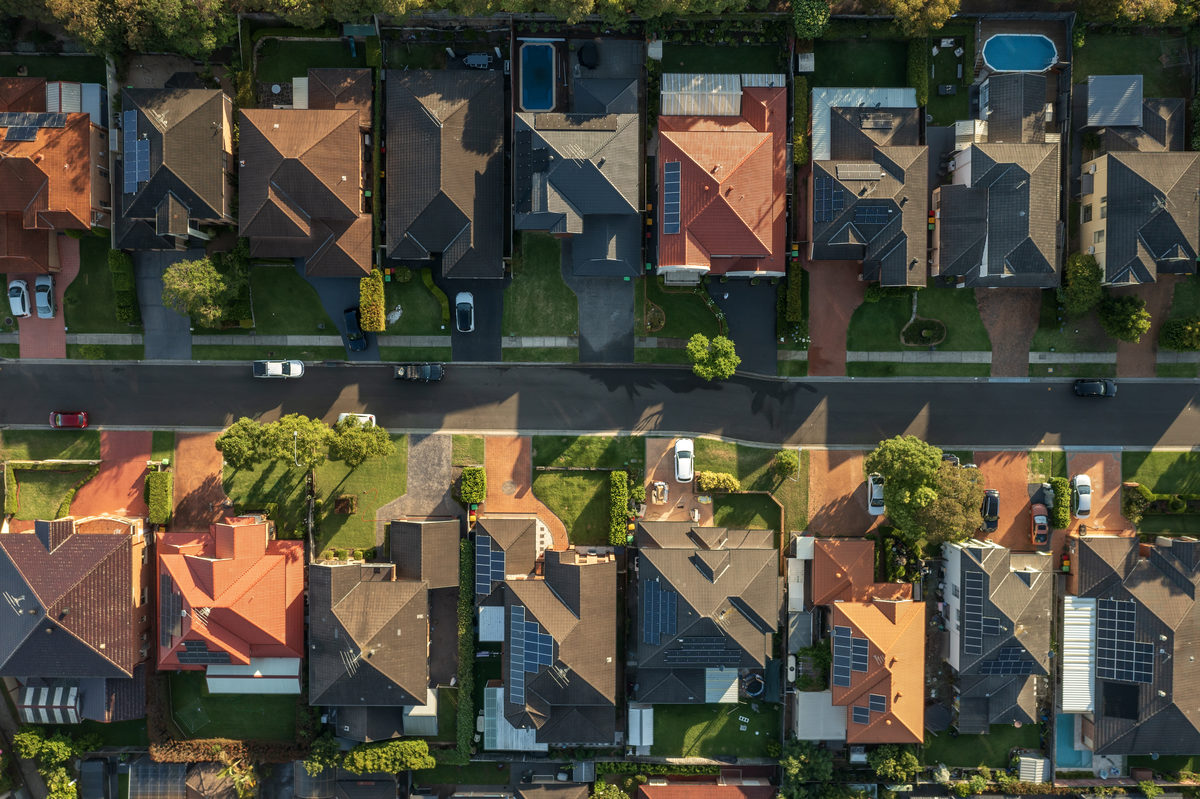
In fact, in Geelong, with an annual local economic output of approximately $50.7 billion, about 30 per cent of this amount directly relates to the property sector, arguably our second biggest contributor.
With the current uncertainty created by these tax and housing reforms, jobs are at stake and so are our local and national economies.
I do wonder how many people will be talking about housing affordability when these job losses start to add up.
This does not mean housing reform should be abandoned. Addressing affordability and housing supply remains an important public policy objective.
But policymakers must carefully balance social outcomes with economic realities.
Effective reform requires consultation with industry stakeholders, clear implementation timelines and an understanding of how regulatory changes influence investment decisions and employment.
Ultimately, housing reforms that fail to account for the interconnected nature of the property industry risk creating massive and negative, unintended consequences.
While aiming to improve housing outcomes, governments must ensure that reforms do not undermine the very sector responsible for delivering, managing and maintaining the housing stock.
A sustainable housing policy is one that promotes affordability while preserving investment, encouraging development and supporting employment throughout the property ecosystem.
We live in hope that someone at the top comes to their senses before the cascade effect begins, if it hasn’t already!
GARETH KENT
Director, Preston Rowe Paterson
//SPONSORED CONTENT
Share


Related Articles
Opposition leader Jess Wilson makes her pitch to local voters
Opposition leader Jess Wilson says the Geelong region has been…
New Liberal challenger takes aim at Bellarine
The Liberal Party has endorsed Leopold resident Callum Whitehead as…