Plug in and power up: how EV charging could boost your property value
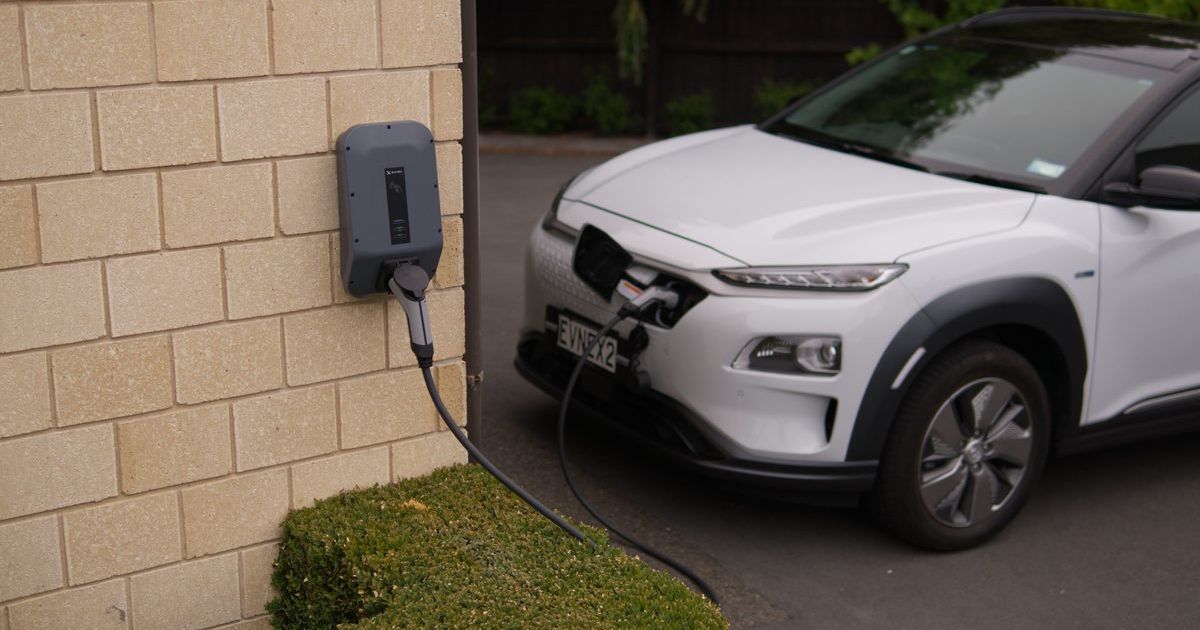
Photo: Pexels. INSET: Scan the QR code to contact the UFinancial team today.


WITH THE UFINANCIAL TEAM
A few years ago, asking about EV charging when buying a home would have seemed a little niche. These days, it is fast becoming a standard question, right up there with off street parking and solar panels.
If you are a homeowner, or thinking about renovating, this shift is worth paying attention to, even if you have no plans to buy an electric vehicle yourself.
Why EVs are changing what buyers look for
Electric vehicle sales in Australia have grown significantly over the past few years, and that trend shows no sign of slowing.
According to UFinancial asset finance director Andrew Westblade, there are “bargains available that simply did not exist a few years ago”, and “government incentives like the Fringe Benefits Tax exemption for eligible electric vehicles have also accelerated adoption”.
As more households make the switch, the homes that suit an EV lifestyle, with somewhere safe and convenient to charge overnight, are becoming more sought after.
The federal government has recognised this shift too.
As part of Australia’s National Electric Vehicle Strategy, guidance has been developed to help new and existing buildings become EV ready, covering everything from wiring capacity to charger placement.
It is a sign that EV readiness is no longer a fringe consideration but becoming part of how we think about a well-planned home.
Why this matters to everyday homeowners
You do not need to own an electric vehicle for this to be relevant. If you plan to sell your home in the next five to 10 years, the buyer pool you are selling to is changing.
More buyers are factoring in EV charging capability the same way they might weigh up a second bathroom or a north-facing backyard.
For homeowners, that means a home without any charging provision could start to feel a step behind, particularly in areas where EV uptake is strong.
It is also worth remembering that most of this is about groundwork, not necessarily a full charging station right now.
Even having the electrical capacity in place for a future charger can make a home more appealing.
How EV readiness can support your home’s future appeal
There are a few practical trends worth understanding.
EV-ready homes are becoming more attractive to buyers, particularly in metro and outer suburban areas where daily driving distances make electric vehicles a practical choice.
Buyers are increasingly expecting some form of charging capability, even if it is just a properly wired garage or carport rather than a full fast-charging setup.
New housing developments are increasingly incorporating EV charging infrastructure as standard, which is gradually resetting buyer expectations across the board.
Apartment developments are adapting too, although more slowly. Body corporates and strata committees are starting to work through shared charging arrangements, and this is likely to become more common as demand grows.
Future-proofing a home, whether through wiring upgrades or charger installation, can support marketability down the track, even if it does not guarantee a higher sale price.
There is also a growing trend of homeowners renovating to include solar power alongside EV charging. Pairing the two can make sense financially, since home charging draws a reasonable amount of electricity, and solar can help offset that cost over time. What homeowners may want to consider None of this means every homeowner needs to rush out and install a charger. But it may be worth reviewing whether your home has the electrical capacity to support one in future, particularly if you are already planning renovations or an upgrade to your switchboard. If you are considering adding solar as part of a renovation, this could be a prompt to check how that might work alongside future EV charging needs, since the two are often installed together for efficiency. If you are planning to sell in the coming years, it may also be worth understanding how EV readiness is perceived in your local market, as buyer expectations can vary significantly between suburbs and property types. Speaking with the right adviser can help clarify your options, whether that is a mortgage broker, an electrician or a solar installer. A sensible step, not a guaranteed return There is no guarantee that adding EV charging or solar to your home will increase its value. Property value depends on many factors, and buyer preferences continue to evolve. Nevertheless, what does seem clear is that EV readiness is becoming part of how buyers assess a home, much like energy efficiency has over the past decade. If you are wondering how electric vehicle charging or a solar upgrade could fit into your plans, UFinancial’s home lending team can help you understand your options. Call the team on +61 396 869 087 or book an appointment with one of UFinancial’s brokers. This article is general in nature and does not take into account your personal circumstances. It may be worth speaking with a qualified adviser before making financial decisions.
//SPONSORED CONTENT
Share


Related Articles

All genuine offers considered: 40 Wood Road, Bellbrae
THE owners are committed to selling, presenting an exceptional chance…
Iconic character on about 981sqm: 21 Aberdeen Street, Newtown
WITH the rare advantage of rear lane access and excellent…