Driving disability inclusion for a better future
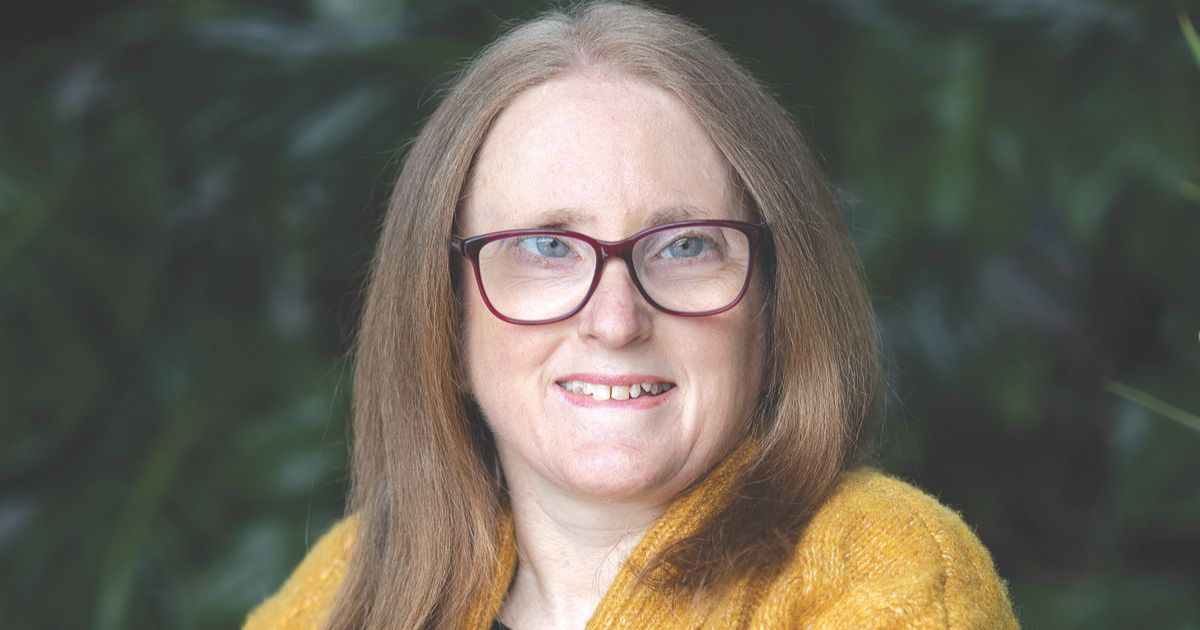
With a goal of creating a future where accessibility and inclusion are the norm, not the exception, Ainslee Hooper brings a fresh perspective to an industry often dominated by rigid policies and outdated procedures.


AINSLEE Hooper is an anthropologist, disability inclusion consultant and business owner transforming how organisations remove barriers and create workplaces and communities that respond to the needs of people with disabilities.
With a goal of creating a future where accessibility and inclusion are the norm, not the exception, Ainslee brings a fresh perspective to an industry often dominated by rigid policies and outdated procedures.
Her work helps organisations strengthen and sustain disability inclusion through systems, outcomes and shared responsibility.
“Meaningful inclusion isn’t just a nice-to-have; it’s essential,” Ainslee said.
“When you remove invisible barriers and make space for everyone, you create stronger, more effective organisations and healthier communities. And working with someone who understands this through lived experience can fundamentally shift how organisations approach inclusion.”
As a woman with lived experience of disability, Ainslee models inclusive employment in her own business and supports organisations to build the skills, strategies and confidence needed to employ and retain people with disabilities.
Her work with clients, including The Gordon, City of Maribyrnong, County Court of Victoria, Geelong Gallery, the City of Melbourne and Geelong Regional Libraries Corporation, has resulted in practical changes, more accessible workplaces and stronger representation of people with disabilities in decision-making.
“The methodology Ainslee developed to seek insights from advisory committee members was collaborative, thorough and grounded in the principles of good governance,” City of Melbourne senior policy officer, Vickie Feretopoulos, said.
By addressing hidden barriers and developing actionable strategies, Ainslee’s clients have become more confident and capable in employing, supporting and promoting people with disabilities.
The ripple effect of this work includes more inclusive hiring practices, improved workplace adjustments and increased representation of people with disabilities in leadership and decision-making roles.
These changes benefit not only individuals, but organisations and communities more broadly through stronger diversity and representation.
Through her key services, Ainslee supports organisations in developing Disability Inclusion Action Plans (DIAPs), reviewing committee structures and policies, conducting meaningful stakeholder engagement and facilitating workshops and focus groups that generate rich, usable insights rather than surface-level responses.
“The best measure of inclusion is whether people with disabilities feel included,” Ainslee said. “The data gathered through focus groups should inform how organisations measure their DEI outcomes and shape their Disability Inclusion Action Plans.”
In the second quarter of 2026, Ainslee will launch the Disability Inclusion Outcomes Framework. This new offering supports organisations to understand how their disability inclusion efforts contribute to meaningful change, align with the Sustainable Development Goals and move beyond activity-based reporting.
Rather than counting actions or ticking boxes, the framework helps organisations measure how disability inclusion contributes to cultural change, decision-making and long-term sustainability.
Organisations seeking to remove hidden barriers and build inclusive workplace cultures can email Ainslee Hooper Consulting at [email protected] for a free strategy call or explore free resources at ainsleehooper.com.au
Share


Related Articles
Women in Business – Special Feature
[...]Read More...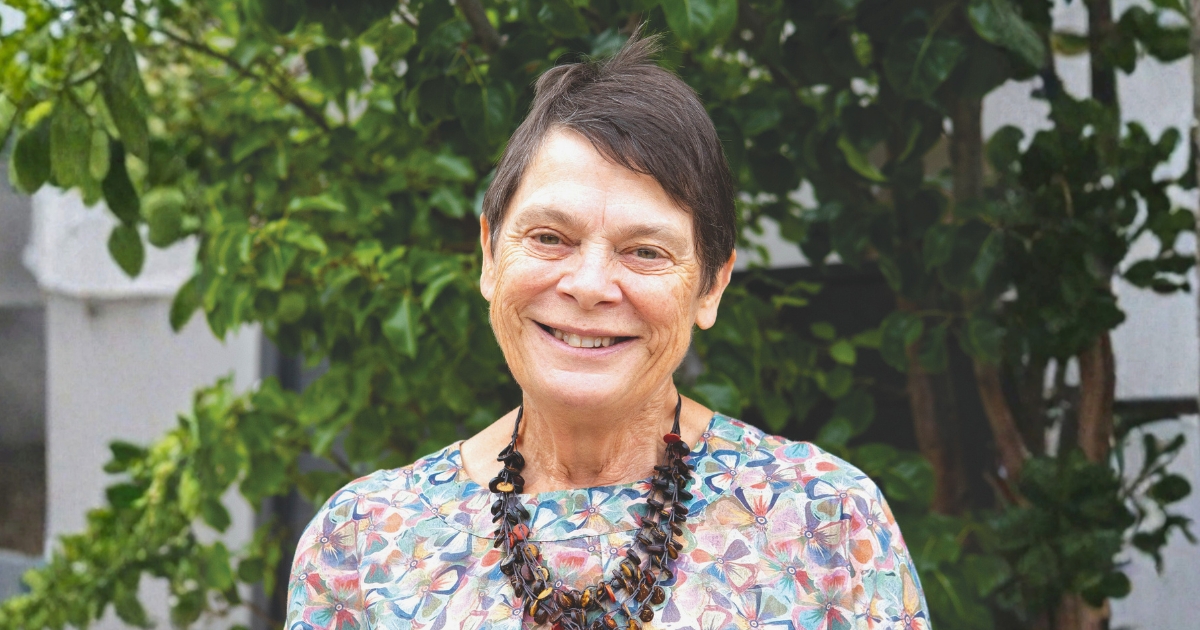
Lasting change for women and girls
This year, a powerful new chapter is unfolding for women…