Critical funding to curb invasive weeds spreading in river
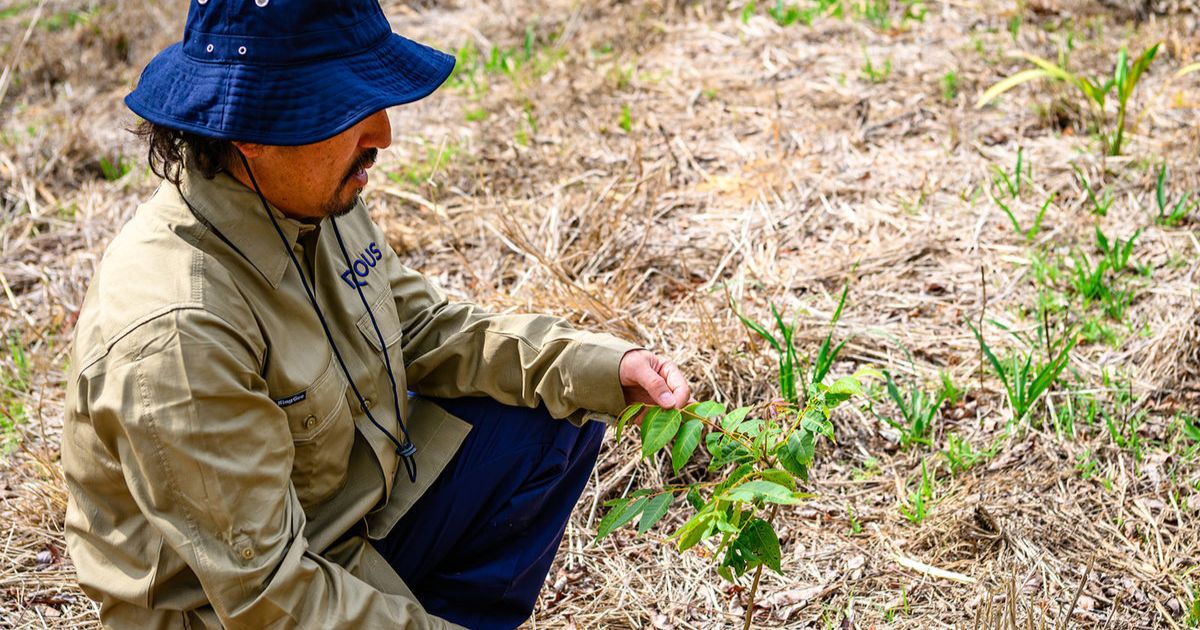
A state funding boost will help Rous County Council curb invasive weeds spreading along the Richmond River. Photo: SUPPLIED


ROUS County Council will use new state government funding to help curb invasive weeds spreading along the Richmond River.
The council is one of seven local agencies sharing almost $1.2 million to combat Tropical soda apple under the Good Neighbours Program.
Tropical soda apple is a high-priority weed due to its rapid spread and significant impact on agriculture and native ecosystems.
The Richmond River has been identified as a major pathway for its dispersal, with seeds carried from the upper catchment downstream into lower tributaries and adjoining areas.
Rous protects the region’s biodiversity by managing and eradicating high-risk weed species across six local government areas.
Rous weed biosecurity manager Philip Courtney said the funding came at a crucial time, with the broader project targeting parts of the North Coast and Northern Tablelands.
“Tropical soda apple is quickly becoming one of the most problematic invasive weeds in the Northern Rivers — it threatens agriculture, biodiversity and even land access,” he said.
“Getting ahead of it requires coordinated, cross-boundary action — and this program supports that critical work.”
More than 70 per cent of the state’s threatened species and endangered ecological communities are impacted by invasive species.
Part of the current work will take place along Tunglebung Creek to reduce the potential spread into the Clarence River catchment.
“This is a timely and strategic response to a fast-moving problem,” Rous general manager Phillip Rudd said.
“We are grateful for the support provided by the NSW Government’s Good Neighbours Program, which will help us to take a joint approach in a high-priority area.
“At Rous, we remain committed to continuing our partnership with the NSW Government, Local Land Services and regional landholders to support the long-term management of Tropical soda apple in the region and protect the environmental and agricultural integrity of the Richmond River catchment areas.”
Share


Related Articles
No sale, no silence: Bangalow community rejects Norths Collective’s $2 million Bowlo buyback offer
THE Bangalow community has rejected an offer from Norths Collective…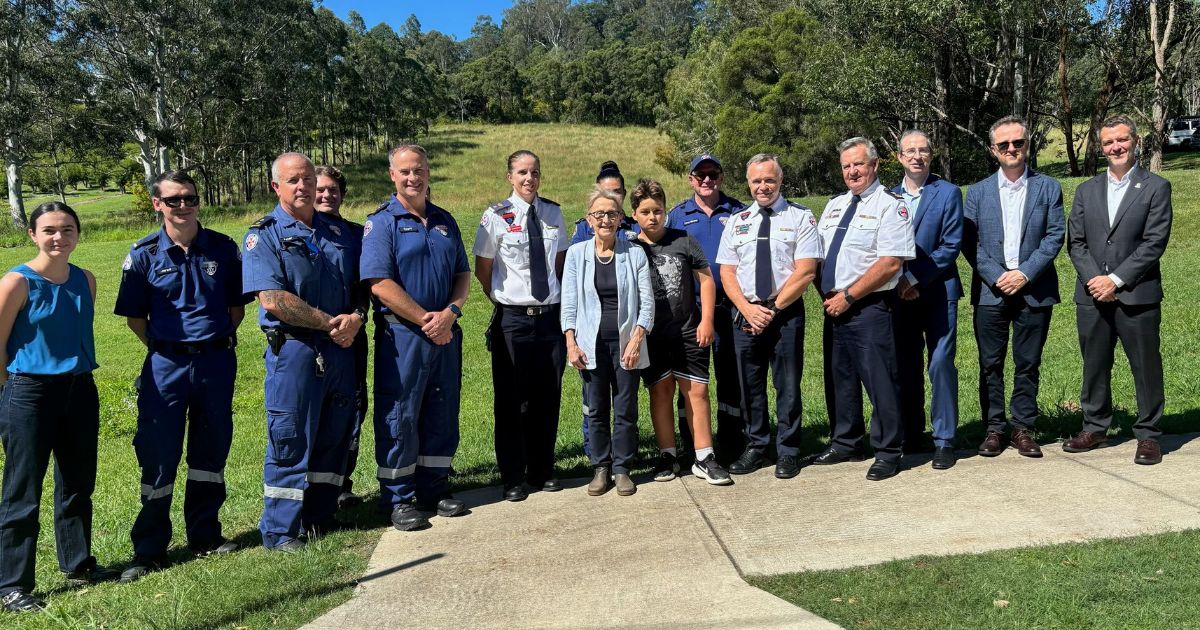
Local health, education projects to receive multi-million-dollar injection through state budget
New ambulance stations, expanded maternity services and ongoing flood recovery…