Joint effort to address water quality in the Clarence River
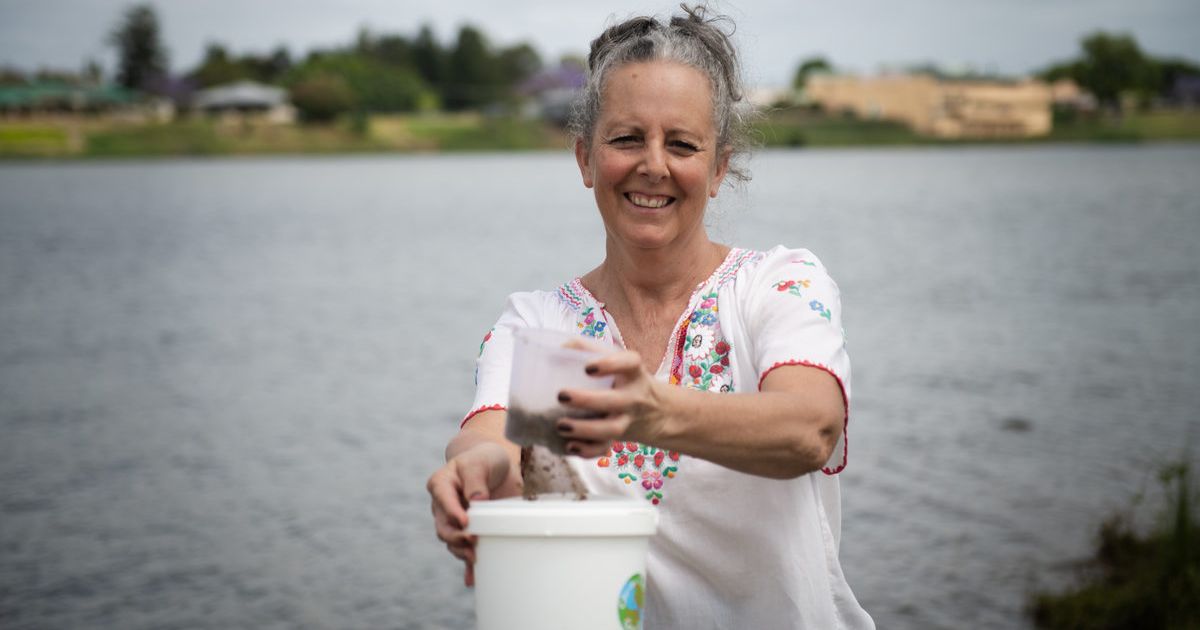
Volunteer Sarah Nash collecting samples by the Clarence River for the Southern Cross University team to examine. Photo:SUPPLIED


SOUTHERN Cross University led a volunteer group of more than 200 people in the largest community-driven project of its kind, addressing concerns around water quality along the Clarence River.
Teams collected sediment samples from 100 key locations across the catchment with samples taken to the Lismore laboratories for analysis.
The survey was a collaboration between Clarence River Guardians volunteer group and Southern Cross University, after the extension of mining exploration licences and community concern over water quality in the catchment.
“We’re establishing a baseline for future management,” SCU project lead Professor Scott Johnston said.
“Rivers are delicate ecosystems and once they become polluted, it’s often difficult and slow to reverse.
“Working with citizen scientists is the only way we can collect such a large number of samples over a single weekend. This ensures a significant and robust dataset.”
By analysing sediment for more than 50 different elements, researchers can detect the presence of heavy metals, metalloids and trace elements.
It provides a reference point to assess any future changes, particularly those associated with mining activities and how they might influence water quality.
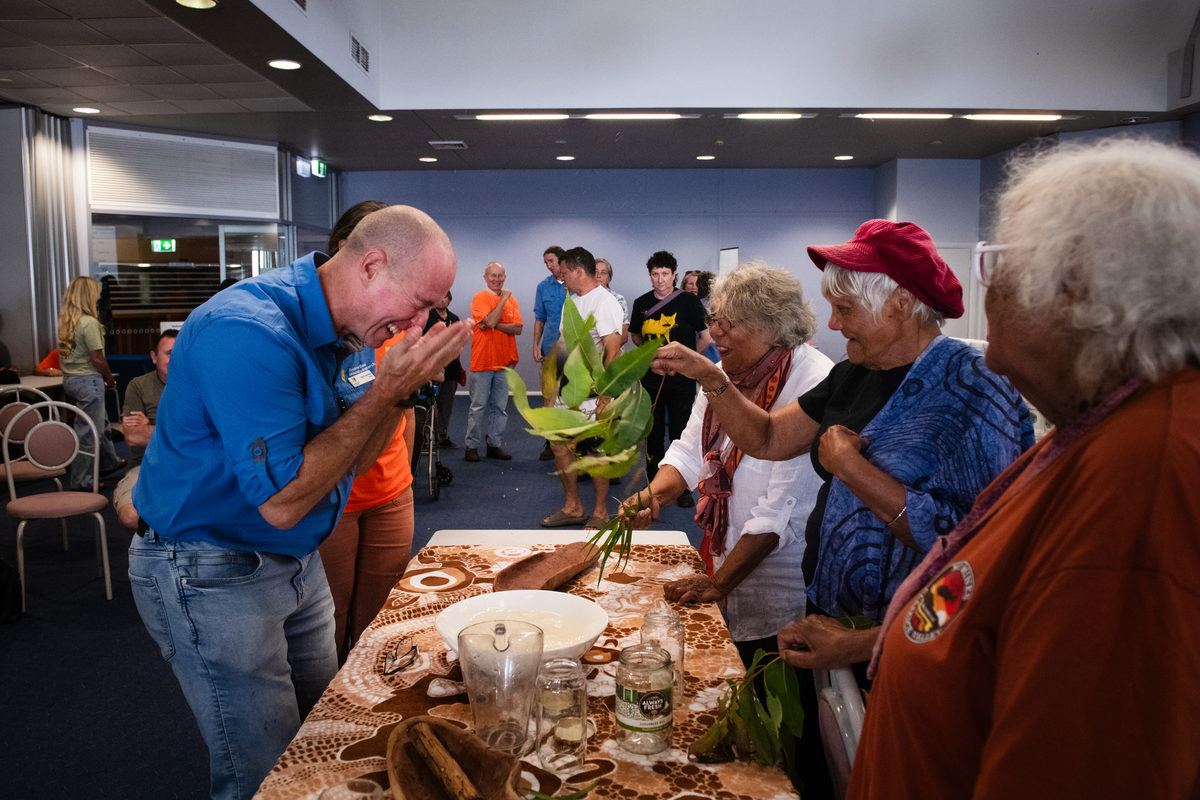
A unique aspect of the project is the co-design and walking together with First Nations custodians.
All sediment samples will be returned to their points of collection in the river after the analysis is complete, out of respect for Country, the River and Traditional Owners.
The citizen scientists sample water using a sophisticated digital probe, taking photos of the readings which are uploaded to a WhatsApp group that includes community members and University scientists.
Professor Johnston enters and compiles the data, usually on the same day, and generates simple dot-colour scale maps and summary data, which is shared on-line via the Clarence River Guardians website, often within hours of collection.
“This aids transparency and also provides strong incentive to the group as they can see the results of their efforts,” Professor Johnston said.
“Citizen science backed by university training and analysis is a powerful tool for engaging the community and monitoring such pristine environments as the Clarence River catchment
The data can be viewed at clarenceriverguardians.net/estuary-water-quality-data
Share


Related Articles
No sale, no silence: Bangalow community rejects Norths Collective’s $2 million Bowlo buyback offer
THE Bangalow community has rejected an offer from Norths Collective…
Local health, education projects to receive multi-million-dollar injection through state budget
New ambulance stations, expanded maternity services and ongoing flood recovery…