Northern Rivers donors raise$500,000 for Fred Hollows Foundation
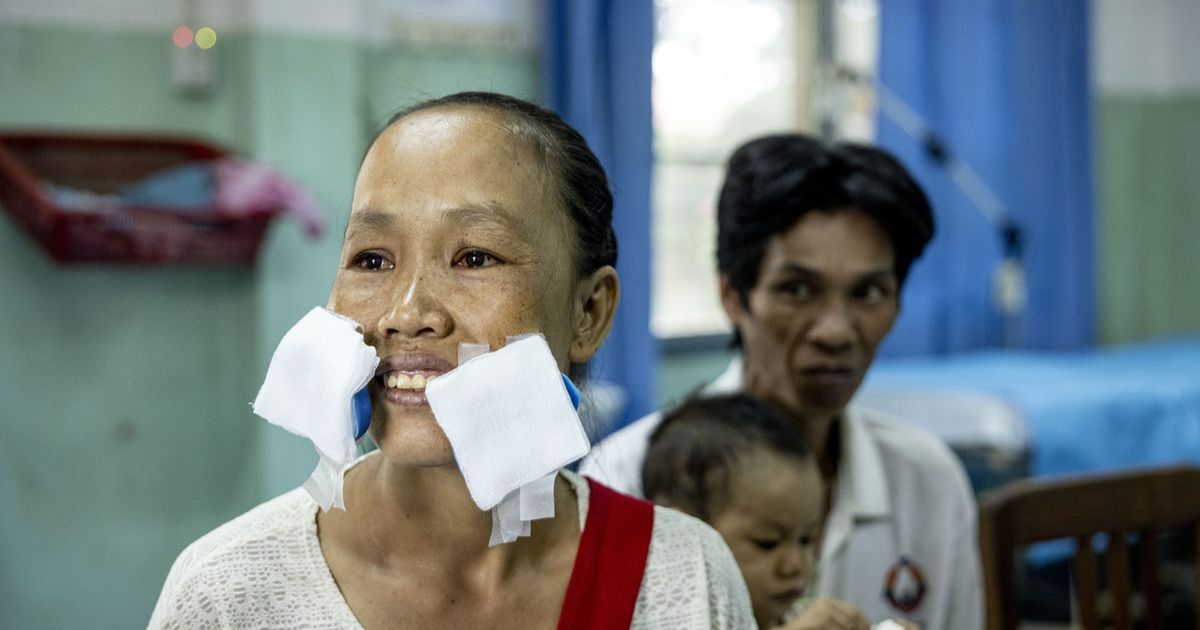
People across the Northern Rivers raised more than $500,000 this year to help prevent blindness and vision problems through the Fred Hollows Foundation. Photo: SUPPLIED


MORE than 2000 people across the Northern Rivers contributed just over $500,000 this year to help prevent blindness and vision problems by supporting the Fred Hollows Foundation.
Ballina topped the region with 600 people, including 29 new donors contributing with a combined $205,737.
Byron and Tweed had more than 500 donors, with 368 in Lismore and with each region raising more than $100,000. The foundation is a non-profit based in Sydney, which was founded in 1992 by eye surgeon Fred Hollows.
Hollows died in 1993 from renal cancer, less than one year after he established the foundation.
It has spent more than 30 years helping some of the most vulnerable and poorest countries in the world.
Founding director Gabi Hollows thanked the region for the contribution, which totaled $10,945,547 across the state.
“Nine out of 10 cases of blindness and vision impairment are preventable or treatable,” she said.
“Together, we can do something about it and Australians are proving that even in challenging times, community spirit can change lives.”
In 2025, the foundation performed 8.1 million eye screenings, 560 eye surgeries and treatments, and treated 16.5 million people for trachoma – the world’s leading infectious cause of blindness.
Hollows said the impact of restoring sight goes far beyond treating blindness.
A new study released this year, co-authored by The Fred Hollows Foundation, showed that every dollar invested in eye health can return up to $28 in economic benefit.
The foundation’s chief executive officer, Ross Piper, said the findings positioned eye health at the centre of efforts to transform the lives of millions of people.
“We know that restoring sight unlocks people’s potential to succeed at school, generate income, participate in the community and to live longer and more independent lives,” he said.
Share


Related Articles
No sale, no silence: Bangalow community rejects Norths Collective’s $2 million Bowlo buyback offer
THE Bangalow community has rejected an offer from Norths Collective…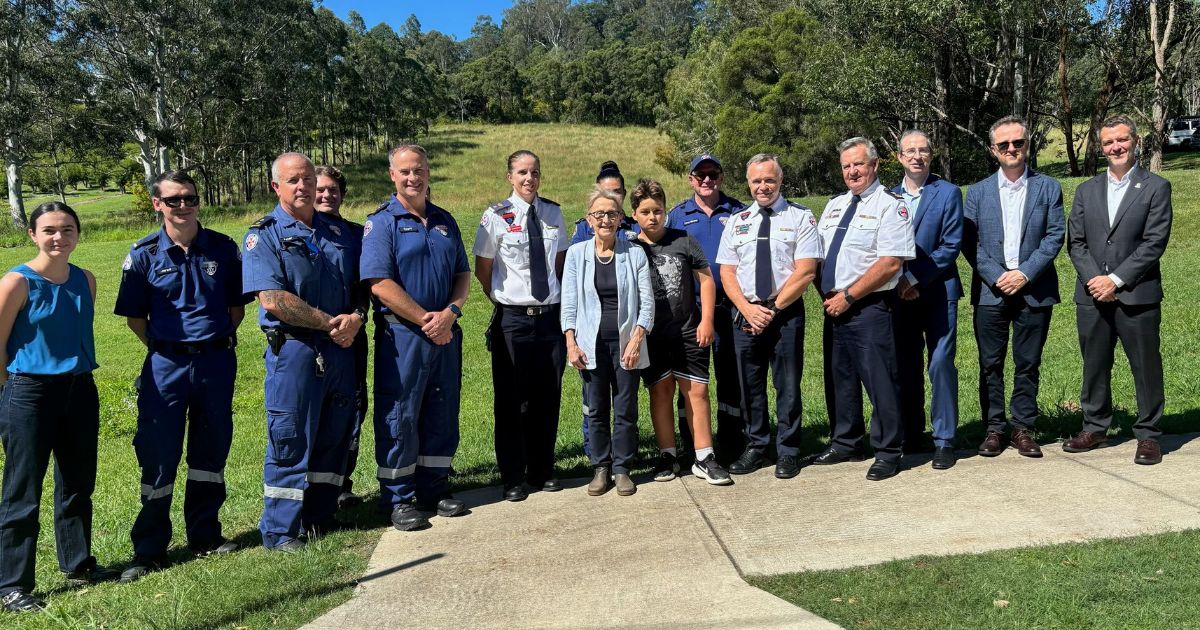
Local health, education projects to receive multi-million-dollar injection through state budget
New ambulance stations, expanded maternity services and ongoing flood recovery…