Rous secures significant funding to tackle invasive weed projects
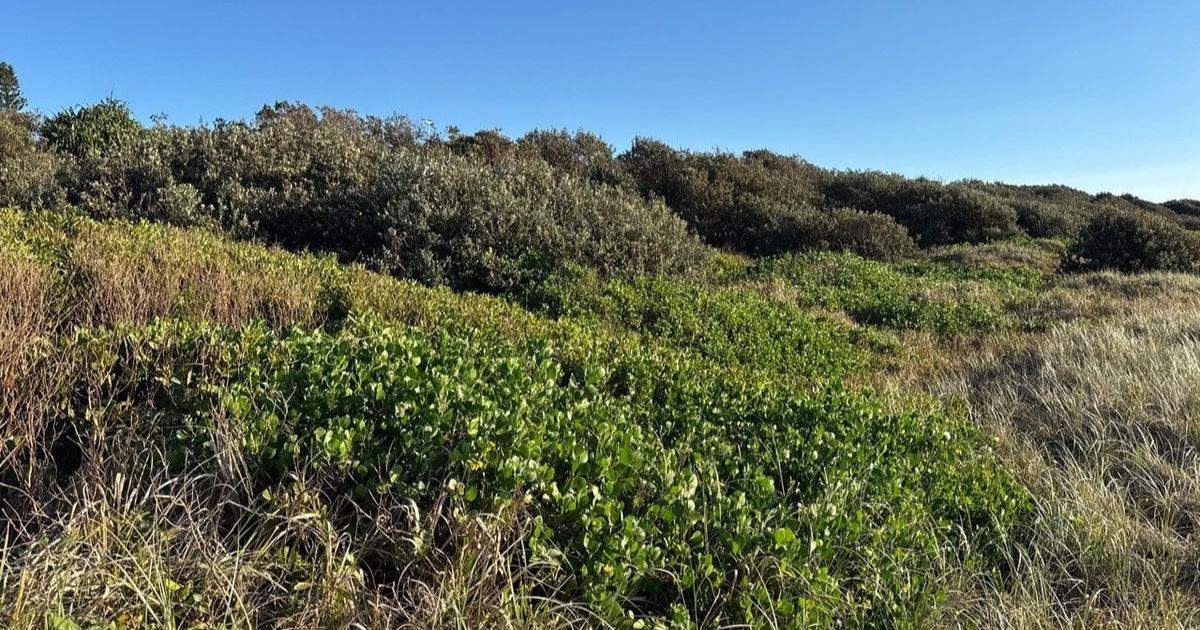
TOP RIGHT: Bitou bush at Lennox Head will be targeted by Rous County Council with support from an $88,154 injection from the state government. Photo: RCC.


ROUS County Council has secured just over $88,000 for weed biosecurity projects to improve and repair more than 125ha of environmentally significant crown land across the Northern Rivers.
The projects will target invasive species including Bitou bush, Alligator weed, Groundsel bush, Tropical soda apple, Chinese celtis and Cat’s claw, helping protect native vegetation and improve wildlife habitat at key environmental sites.
Rous weed biosecurity and bush regeneration manager Philip Courtney said the funding would deliver strategic weed control with long-term environmental benefits.
“The funding will allow Rous and local councils to undertake targeted weed management works that support the recovery of native vegetation and strengthen the natural resilience of these important areas,” he said.
“Invasive weeds can rapidly degrade natural ecosystems. By investing in intervention and ongoing control, we can help protect these important Crown land sites.”
The works will be carried out in partnership with local councils at Albert Park, Jabiru Geneebeinga Wetlands, Tunglebung Public Recreational Reserve, and Seven Mile Beach.
The program also includes follow-up treatment of Bitou bush regrowth at previously treated sites at Black Head, Skennars Head and the Lake Ainsworth Sport and Recreation Area.
At Tunglebung Public Recreational Reserve, crews will target Tropical soda apple, Chinese celtis and Cat’s claw, while weed control at Seven Mile Beach will focus on Bitou bush and other invasive species.
Rous general manager Phillip Rudd welcomed the funding, saying it would support the ongoing protection of some of the region’s most valuable natural environments.
“These projects build on previous successful weed management programs and will support the protection of important habitats, waterways and recreational areas,” he said.
“Partnerships and funding programs such as this are critical in helping us achieve impactful environmental outcomes across the region.”
Share


Related Articles
14 days cut off: Byrrill Creek Road community’s path to flood recovery
BRIDGE restoration and a major landslip stabilisation project on Byrrill…
NAB Darrel Chapman Fun Run returns to Lismore
THE NAB Darrel Chapman Fun Run will return to Lismore…