Growing a new culture of deathcare in the Northern Rivers
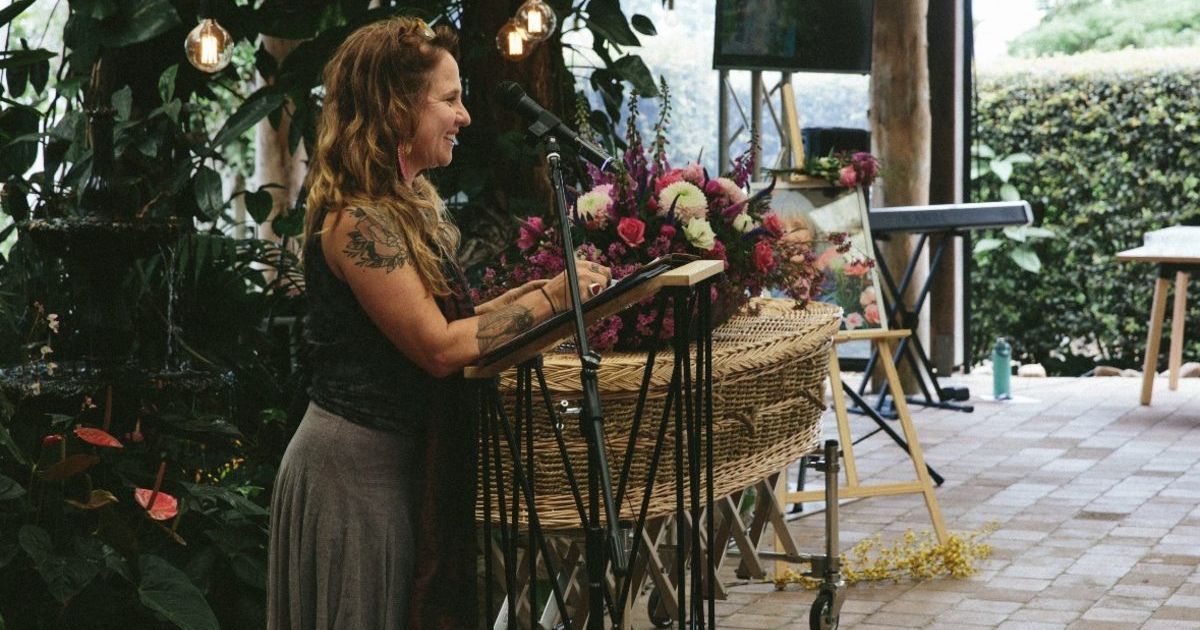
Halie Halloran founded Paperbark Deathcare & Funerals six years ago to provide family-led, community-focused end-of-life care across the Northern Rivers. Photo: SUPPLIED


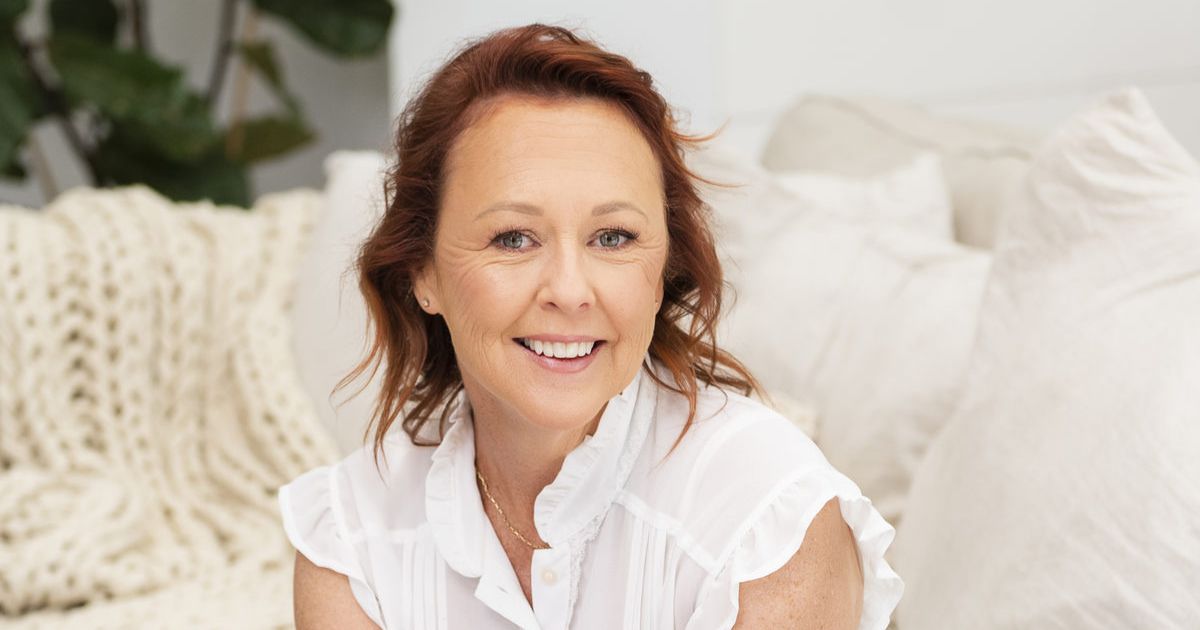
SIX years ago, Northern Rivers deathcare worker Halie Halloran founded Paperbark Deathcare & Funerals, a small, community-focused funeral service built on a simple idea: that families deserve time, understanding, and meaningful choice when someone dies.
Today, that small beginning has grown into a widely respected, all-female-operated organisation serving families across the Northern Rivers and beyond — and quite possibly home to Australia’s first non-invasive, holistic NSW Health-approved mortuary & funeral home.
Halie, who established Paperbark to help reshape how communities approach death and dying, recognised that many families were experiencing funeral arrangements as rushed, overwhelming, and often disempowering, feeling disconnected from the farewell process at one of the most vulnerable times in their lives.
Paperbark was created to offer something different: ethical, affordable, and family-centred care that gently returns knowledge and participation back to the people most affected.
“From little things, big things really have grown,” Halie says.
“Paperbark began with a commitment to walk beside families more slowly and more honestly, giving them the confidence to be involved in the entire process of what happens when we die.”
At the heart of Paperbark’s work is a belief that deathcare is not only a professional service but also a community responsibility.
The organisation’s approach focuses on education, guidance, and presence — supporting families through home vigils, after-death care, ceremony creation, and personalised funerals that reflect the unique story of the person who has died.
By helping families participate in these moments, Paperbark aims to restore a sense of meaning, dignity, and connection that can sometimes be lost in more commercialised systems.
Halie explains that the work also bridges an important and widening gap between healthcare and deathcare, ensuring that families are supported not only medically at the end of life but emotionally, culturally, and practically after death has occurred.
“There is often incredible care in the healthcare system leading up to death, but families can suddenly feel alone once death happens,” she says.
“Our role is to stand in that space — guiding gently, helping people remember the inherent value of family-led deathcare and ceremony.”
Over the past six years, Paperbark has grown steadily, supporting hundreds of families while also contributing to broader community conversations about end-of-life choice, sustainability, and funeral affordability.
Workshops, public talks, and educational initiatives now form part of the organisation’s outreach, encouraging people to engage with deathcare planning long before it is urgently needed.
Despite its growth, Halie remains committed to keeping Paperbark grounded in its original intention: care that is accessible, ethical, culturally respectful, and deeply human.
Share


Related Articles
Lismore Showgrounds secures major new expo for August 2026
A MAJOR new outdoor and lifestyle expo will be held…
Women in Business – Special Feature
[...]Read More...