Alcoa groundwater plan rejected over river risks
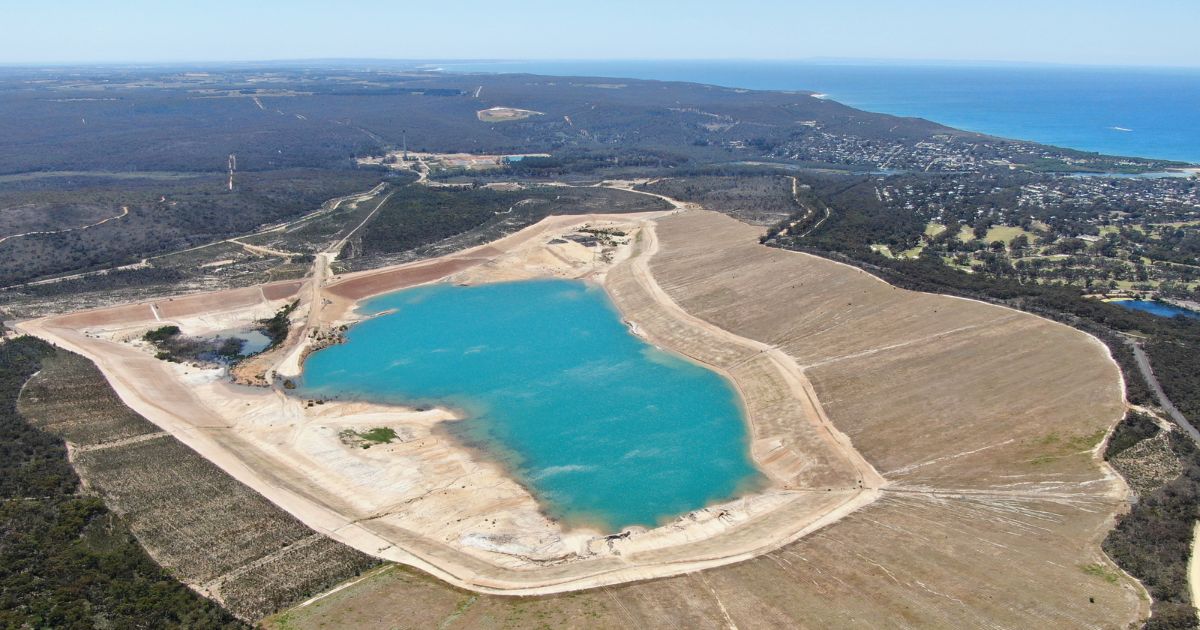
Southern Rural Water says the mine pit at Alcoa's Anglesea site is projected to fill itself naturally in as early as 26 years. Photo: Alcoa of Australia.


Alcoa’s plan to use groundwater to fill its former Anglesea mine has been rejected, with Southern Rural Water (SRW) refusing to grant the company a groundwater extraction licence.
SRW said the potential risks of accelerating the mine pit’s filling outweighed the benefits.
Alcoa had applied to extract 1,500 megalitres of groundwater – the equivalent of 600 Olympic-sized swimming pools – a year for 10 years as part of its mine closure and rehabilitation plan for the Anglesea site.
On Thursday, SRW announced it had determined the proposal would likely result in small but potentially significant reductions in shallow groundwater levels and river flows.
The Anglesea River catchment has a history of low river flows and acid flush events, with SRW finding granting the licence could increase the risk of acid generation and no-flow days in the river and estuary.
These events can trigger fish kills and other impacts on aquatic life. The Anglesea River experienced a fish kill event in August last year, one of an estimated six such events in the past 25 years.
SRW managing director Scott Cornish said the catchment provided considerable cultural, environmental, social and economic values and warranted a precautionary approach to licence applications.
“The mine pit is projected to fill itself naturally in as early as 26 years and the benefits of a rapid fill are limited when compared to the potential risks of the extraction of groundwater,” he said.
Alcoa said technical studies supporting its application found groundwater extraction would not negatively affect the river or the environment, and argued allowing the pit to fill naturally would delay the site’s future use.
An Alcoa spokesperson said the company had been working towards “returning the former mine site as a safe, stable and sustainable landform to the community” since the mine closed in 2015.
“[Alcoa’s] analysis identified that Alcoa’s past groundwater extraction has not had any significant impact on acid generation levels in surface water and we are therefore not clear on what led to this reasoning,” the spokesperson said.
“Without the ability to extract groundwater, the only alternative is to continue with a natural fill, which is expected to take many years.”
The spokesperson said natural filling “will not support timely outcomes expected by the community and government” for the uses for the site.
Alcoa would not confirm whether it would appeal the decision to the Victorian Civil and Administrative Tribunal (VCAT), saying it was reviewing SRW’s decision before deciding its next steps.
Friends of Anglesea River, which has led community opposition to the groundwater extraction proposal for more than five years, welcomed the decision, saying it showed the campaign against groundwater extraction had been justified.
“The community has prevailed in protecting something which is precious to to them, so it’s a great outcome,” group founder Keith Shipton said.
“It reflects the fact that we had a hell of a lot of community support from a broad range of community members from different political persuasions.
“We were becoming increasingly pessimistic as the Southern Rural Water decision seemed to be taking an inordinate amount of time.”
SRW received 167 public submissions on the application, with many raising concerns about reduced shallow groundwater levels and surface water flows and the resulting impacts on ecology and the wider environment.
Shipton urged Alcoa not to appeal the decision, but said the Friends of the Anglesea River had legal resources to fight the matter at VCAT if necessary.
“We would obviously prevail upon them to not exercise that right and to give the Anglesea community a break,” he said.
The Surf Coast Shire made a submission to SRW against Alcoa’s licence.
“We have seen an inspiring community-led effort to oppose the application and everyone involved deserves congratulations on an excellent outcome for the Anglesea River,” shire mayor Libby Stapleton said.
“The river is a place our community loves and protection of its long-term health must be an ongoing priority.”
Share


Related Articles

APCO backs everyday heroes with July campaign
Everyday acts of kindness will be recognised at APCO service…
Queenscliff scores Jessica Mauboy pop-up performance
Jessica Mauboy will headline a surprise free live music event…