Architects challenge demolition of Lorne fishing co-op as heritage fight intensifies
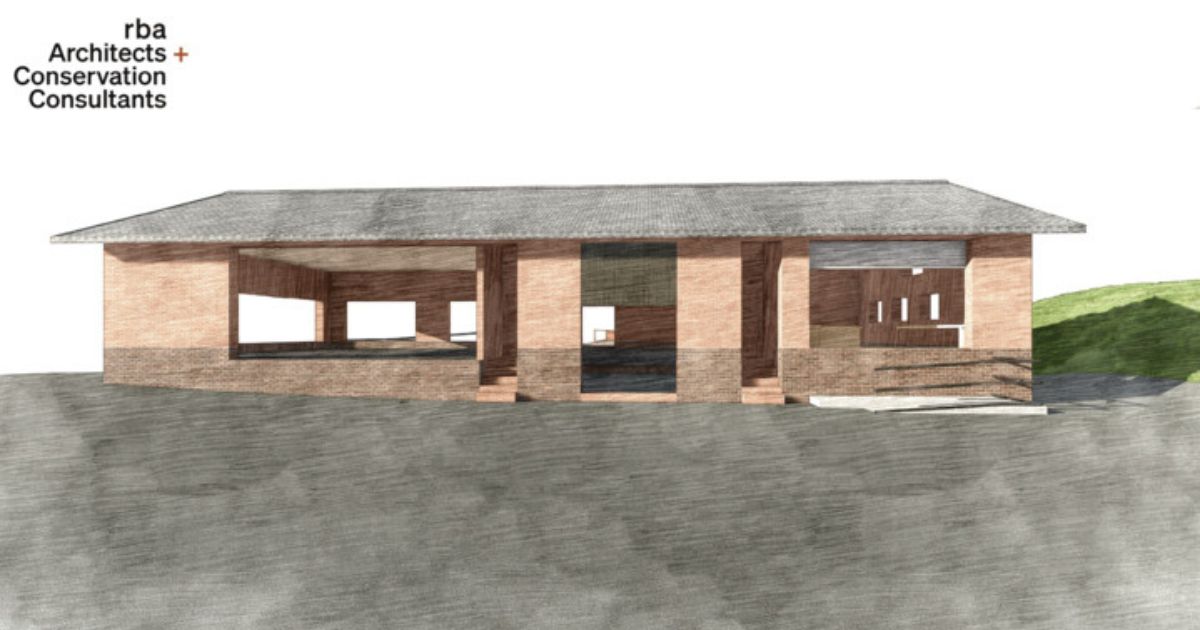
RBA Architects and Conservation Consultants have produced an alternate proposal for the Fishermans Co-operative Building. Images: SUPPLIED


AN ARCHITECTURAL firm previously involved in the redevelopment of Lorne’s Point Grey precinct says the Fisherman’s Co-operative Building can be saved and is mounting a fresh challenge to plans that would see it demolished within weeks.
RBA Architects and Conservation Consultants, who were engaged by community members in 2021 to assess the heritage value of the 1949 structure, argue the demolition is unnecessary and based on a misreading of both heritage conversation principles and engineering constraints.
In a detailed statement sent to this masthead, the firm said the co-op was a defining remnant of Victoria’s historic “Couta Coast” – a network of seven fishing ports stretching from Portland to San Remo – and one of the last remaining buildings at Point Grey tied directly to Lorne’s fishing and timber industries.
“Considering the community’s longstanding and continued commitment to saving and retaining the Fishing Co-op, this building is undoubtedly an exemplar of social significance at a local level,” the statement said.
The firm said structural issues identified in engineering reports were largely confined to later, non-heritage additions, and the original brick masonry core could be retained through standard conservation techniques routinely use in heritage projects.
“We understand that the Lorne Fishing Co-op is currently subject to several issues that need to be addressed, however these can be resolved without the need for a full demolition, and it is misleading to represent such issues as insurmountable.
“Coastal erosion has caused some instability for the original footings which can be easily mitigated through existing and well-known architectural conservation techniques.”
The firm said the demolition of the building was “premature”, would “sanitise the site of its heritage significance” and set a precedent for more invasive redevelopment schemes to take place along the Couta Coast.
RBA Architects has also criticised the Great Ocean Coast and Parks Authority’s (GORCAPA) intention to salvage materials from the existing structure in building its replacement.
“The existing proposal exhibits a fundamental misunderstanding of heritage conservation techniques, as it suggests that material salvage and reuse in this instance is a sufficient means of achieving heritage value retention,” the firm said.
“Misuse of the idea that new buildings can be imbued with heritage value by using salvaged materials sets a dangerous precedent that demonstrates a false compatibility between unnecessary demolition and heritage conservation.”
Demolition of the co-op is expected to begin in February as part of the Point Grey precinct’s broader redevelopment.
RBA confirmed it is preparing to resubmit a nomination for the Lorne Fisherman’s Co-operative – along with other Couta Coast sites – to the Victorian Heritage Register in a bid to save it.
GORCAPA maintains its position that demolition is the only viable option for the building, citing statutory planning requirements, coastal hazard constraints and independent engineering advice.
This advice suggests the building and its existing slab have reached the end of their serviceable life due to damage including cracking, water ingress, damp and rust.
It is understood the structure’s existing slab also does not meet building standards.
“We understand the strong connection some in the community have with the old structure, so we have worked with local groups to refine the designs for the new Co-op and incorporate history across the precinct,” a GORCAPA spokesperson said.
“Responding to clear community support to respect the history of the structure, the proposed new Co-op pays homage to the historic section in its shape, roofline and footprint and we will be reusing materials where we can.
“The design is able to obtain planning approval and meet all statutory requirements including modern building standards and coastal hazards.”
Share


Related Articles
Committee for Geelong chief departs abruptly
Committee for Geelong chief executive Michael Johnston has abruptly resigned,…
APCO backs everyday heroes with July campaign
Everyday acts of kindness will be recognised at APCO service…