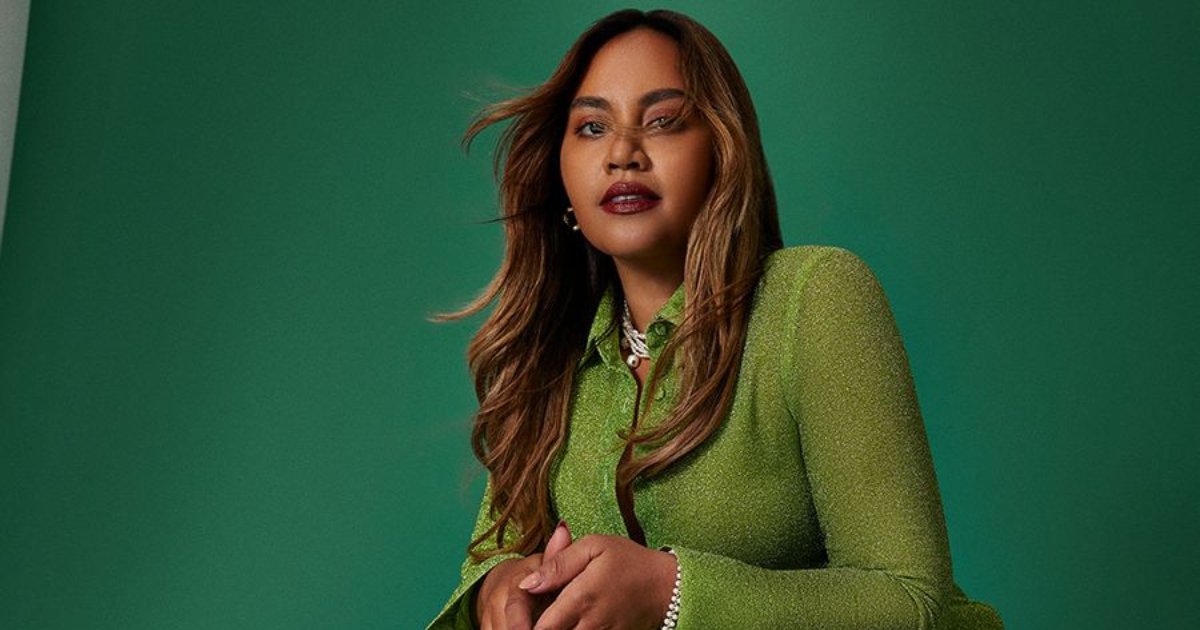
The case for modern rites of passage
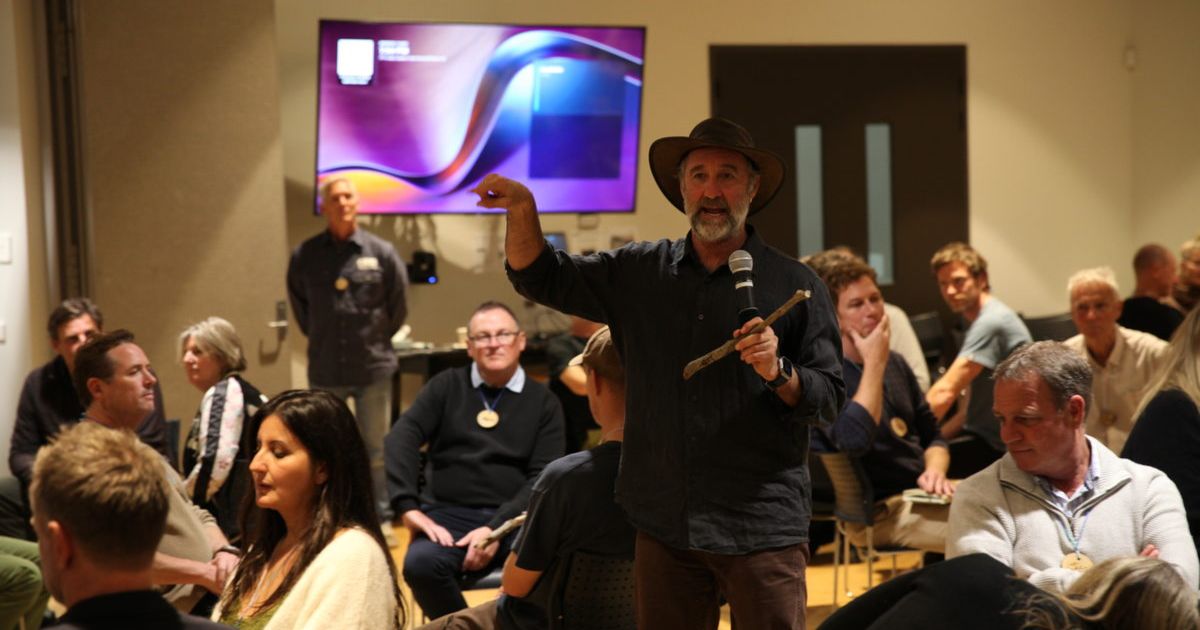
Dr Arne Rubenstein spoke to a crowd of about 130 people at DIIGG Wellbeing's Rites of Passage launch event in East Geelong on Monday. Photo: James Taylor.


CHILDREN in cultures around the world are deeply affected by their rites of passage into young adulthood, Dr Arne Rubenstein says, and Australian children should be no different.
The internationally recognised youth wellbeing expert has partnered with Surf Coast-based organisation DIIGG Wellbeing to help establish a region-wide program to support young people through the transition to adulthood.
Speaking at DIIGG Wellbeing’s Rites of Passage launch event on Monday, Dr Rubenstein said communities played a critical role in helping children develop into thriving young adults.
The founder of the Rites of Passage Institute, which is estimated to have reached more than 450,000 people across 25 countries, spoke to an audience of about 130 people at Eastern Hub in East Geelong.
Dr Rubenstein said the institute had identified several things young people needed to thrive as adults: a sense of belonging, being seen, being safe, healthy challenges and practical life skills such as emotional intelligence and a transformational mindset.
“They’d rather be in an unhealthy group than no group at all,” he said of the importance of belonging.
“What worries me is when they look at their phones and think they all need to be the same.”
He said he began questioning, when his two boys were young, what kind of teenagers they would become.
“Is it just luck? Do I just have to hope they’re going to be OK or are there things I can do about it?” he said.
“I’m absolutely convinced there are things that we can do about it.”
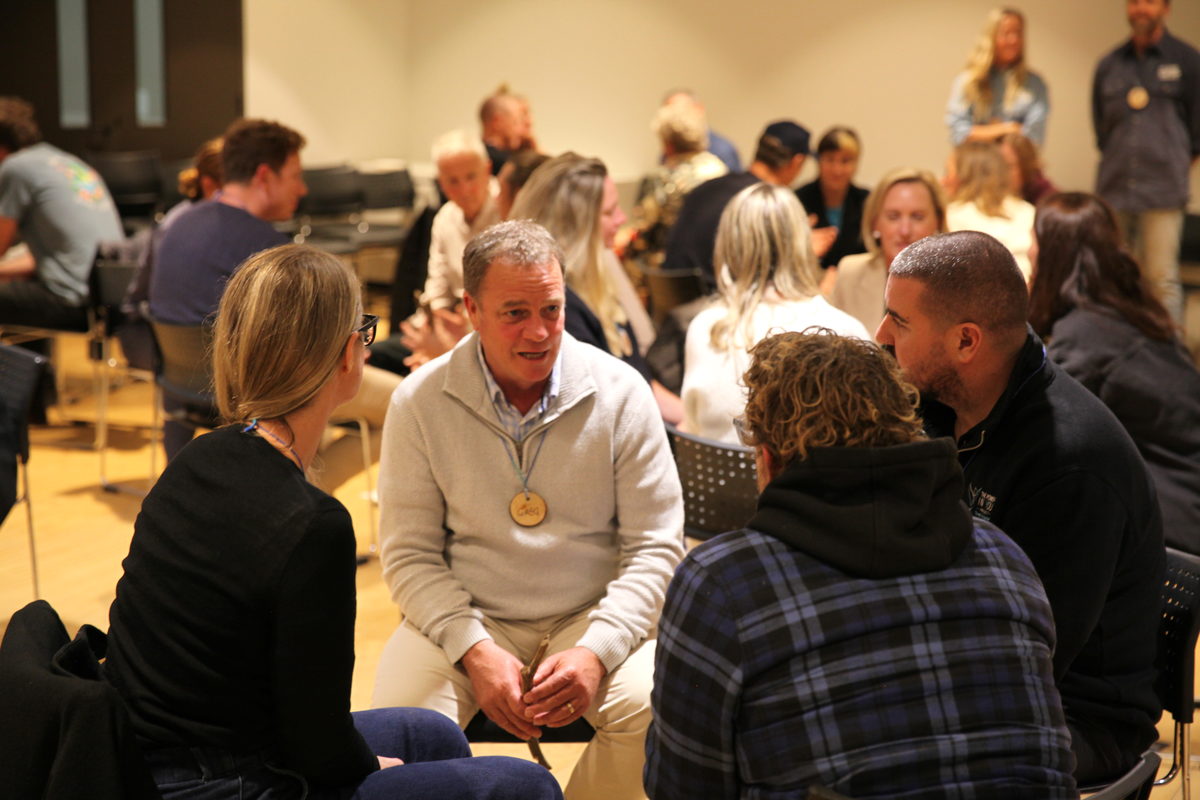
Dr Rubenstein, who has more than three decades of experience in the field, said the community should create a healthy and positive rite of passage for teenagers rather than having them create their own.
“I believe we have a responsibility to do something powerful and amazing here,” he said.
By contrast, Dr Rubenstein said, Schoolies celebrations are not helping teenagers become young adults.
“I spent years in the Byron Bay emergency department [as a doctor] during Schoolies and I would get interviewed every year on the radio about it being a rite of passage and I’d say: ‘This is not the rite of passage I want my kids to go through’,” he said.
“I came to realise they [school leavers] were trying to do the things adults do – alcohol, drugs, sex, all those things – but they had no boundaries. They didn’t understand it. They didn’t have the support, the facilitation, the anchor. It just wasn’t there.”
DIIGG Wellbeing founder Michael Judd said the organisation now had more than 20 guides trained by the Rites of Passage Institute ready to help the region alongside its existing programs.
DIIGG Wellbeing will run Rites of Passage camps for children aged 10–17 and their parents this year, with dates to be announced soon.
For more information, head to diiggwellbeing.com.au
Share


Related Articles
APCO backs everyday heroes with July campaign
Everyday acts of kindness will be recognised at APCO service…
Alcoa groundwater plan rejected over river risks
Alcoa’s plan to use groundwater to fill its former Anglesea…