Traditional net-making project strengthens cultural connections across the region
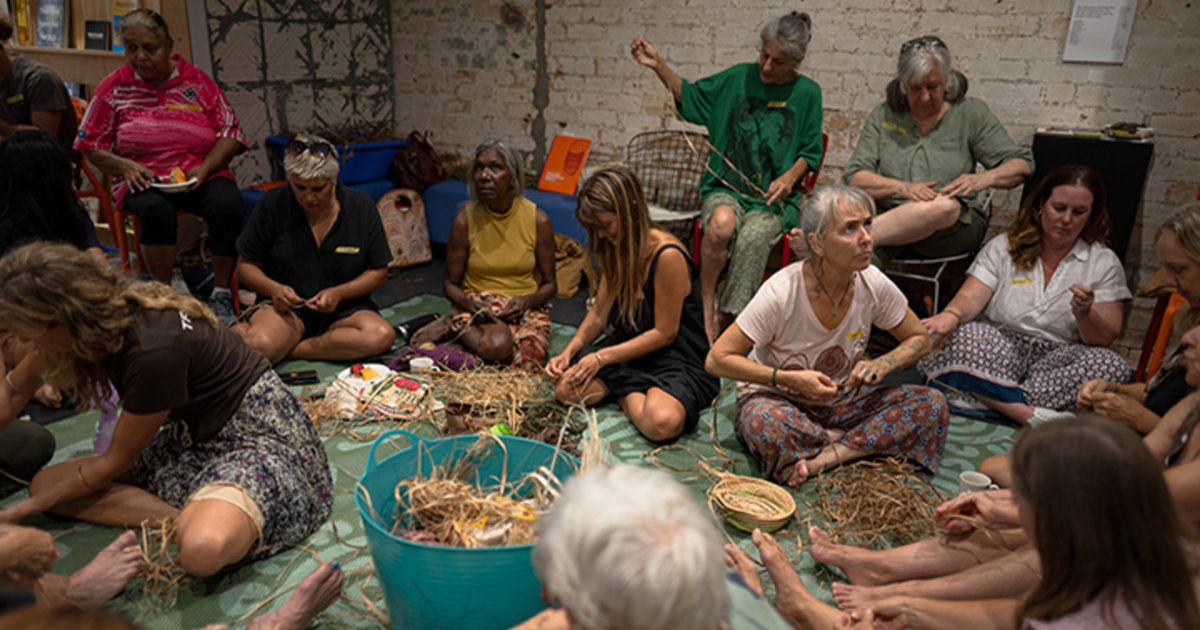
Women gather for a community stringmaking session which contrinbuted to the SCU research. Photo: A Lush Forrest Media.


A community-led project to revive traditional fishing net-making practices on Bundjalung Country has strengthened cultural connections and intergenerational knowledge sharing, a new Southern Cross University study has found.
The project, which began in the aftermath of the devastating 2022 Northern Rivers floods, brought Bundjalung Elders, community members and non-Indigenous participants together through traditional string-making, net weaving and yarning.
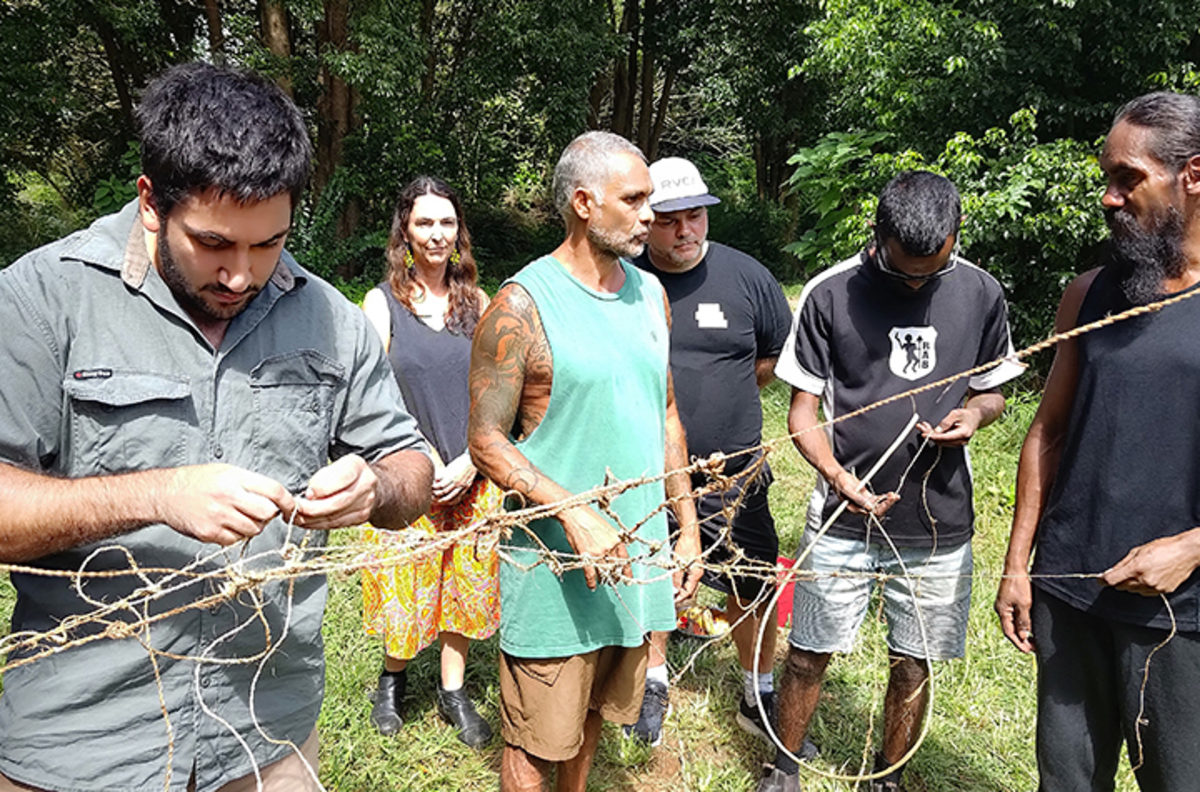
The study concluded that practices such as string-making and yarning circles can play an important role in cultural revitalisation.
Researchers found the process created opportunities for participants to reconnect with Country, culture and one another while supporting the renewal of cultural knowledge and practices.
The findings have been published in the International Journal of Cultural Property, with researchers describing the fishing net as more than a practical object.
They said it is a metaphor for repairing relationships and restoring cultural practices.
The project was led by Southern Cross University senior lecturer in the Gnibi College of Indigenous Australian Peoples, Dr Kylie Day, alongside co-researchers Dr Jenelle Benson from the Faculty of Science and Engineering and Aimee Andersen from the Centre for Teaching and Learning.
“We argue that Indigenous cultural property must be understood through Indigenous law, lore, custodianship, and relational responsibility,” Dr Day said.
“The net-making project centres Bundjalung cultural governance, with Elders guiding what knowledge can be shared, how cultural protocols are followed, and how research should be conducted respectfully.”
Respected cultural educator Dhinawan Baker led the men’s net-making activities alongside Bundjalung Uncles, facilitating men’s yarning circles and sharing cultural knowledge throughout the project.
As the project progressed, researchers recorded oral histories and documented traditional string-making and net-weaving techniques.
They found the practices helped foster community connection and cultural governance, while creating safe spaces for shared learning with Indigenous leadership and cultural protocols at the centre.
The research also highlighted the important roles played by both women and men in the cultural practices.
“Women’s voices and leadership were especially important in string-making, storytelling, and transmitting cultural knowledge,” Andersen said.
“Women gathered, prepared and wove fibres while sharing stories, strengthening relationships and building community.
“The string was then passed to the men, who continued the process by tying knots and shaping the net, adding their own stories and knowledge.”
Share


Related Articles

Mayor defends council process as councillor expulsion sparks free speech debate
TWEED Shire mayor Chris Cherry has defended the decision to…
Bowlo legal battle begins as clubs invited to take over
THE Bangalow community has raised more than $10,000 in its…