From Cardio to Cages: Australia’s 2026 Home Gym Trend, and Where Gym Plus Fits In
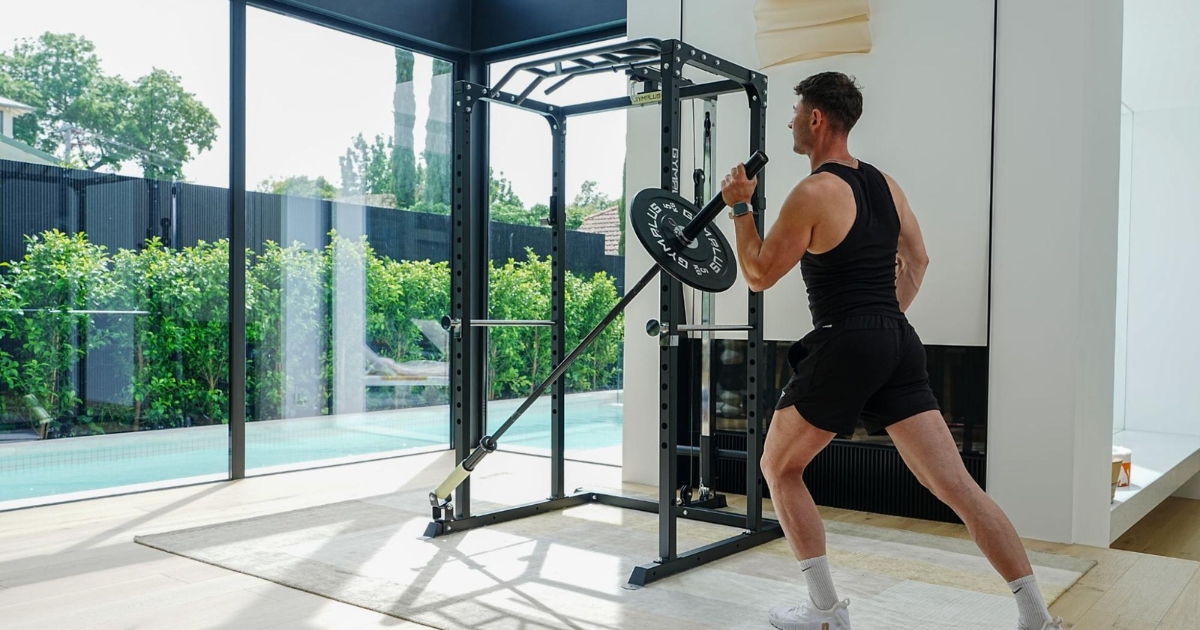
Strength training equipment is becoming the centrepiece of modern Australian home gyms. Photo: Gym Plus


Five years ago, the typical Australian home gym was a treadmill facing a television and a rack of dumbbells nobody touched. Walk into the same spare rooms and garages in 2026, and the picture has changed. The treadmill has often been pushed to the wall, and the centre of the room is now a steel cage or a bench loaded with plates. The home workout has grown teeth.
The Treadmill Makes Way for the Rack
The shift from cardio to strength is reshaping what Australians put in a spare room, and there are numbers to back it up. Expert Market Research values the country’s home fitness equipment market at about AUD 254 million in 2025 and reports that fitness equipment sales have risen roughly 170 per cent since the start of the pandemic. Cardio machines still hold the largest share of that spending, but strength gear is the segment quietly gaining ground, in a market forecast to keep growing at about 2.5 per cent a year, to around AUD 325 million by 2035. The same research ties the durability of the shift to a hybrid habit that stuck after the lockdowns, with households keeping a home setup alongside their gym memberships.
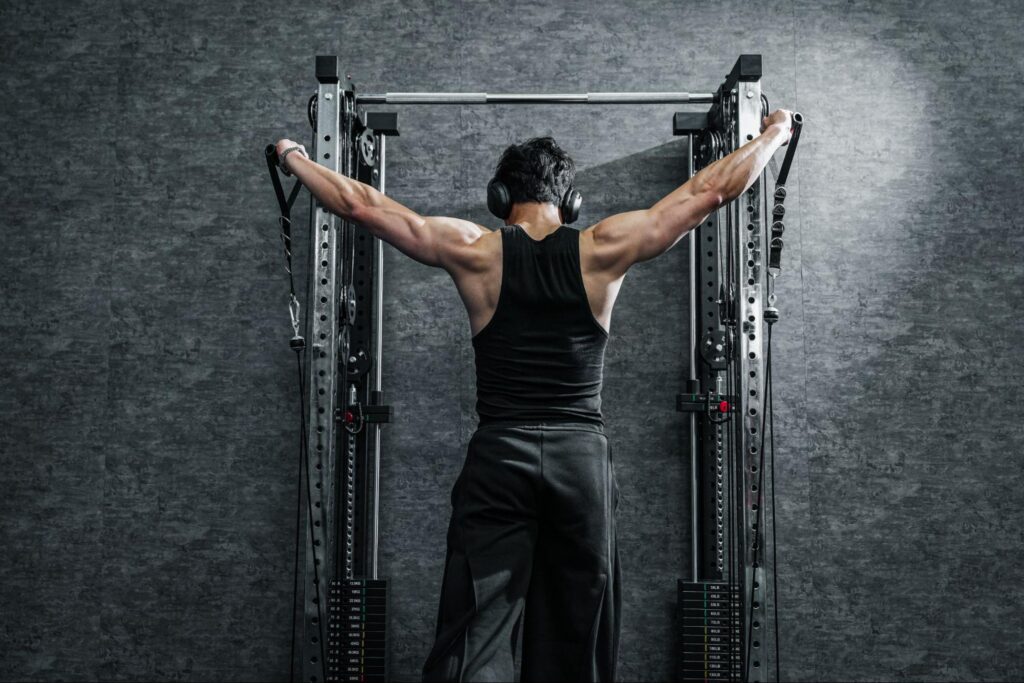
The field is crowded. Industry reports describe a category that runs from global commercial-equipment makers to a host of Australian home-gym specialists, and Gym Plus is one of the retailers chasing the home buyer. It sells power racks as the backbone of its home gym packages, with the bar, bench, and plates built around them, and attachments that let a single frame serve as a pull-up station or a cable machine without being replaced.
Part of the appeal is permanence. A treadmill is a single-use machine that gathers dust when motivation dips. A rack is a platform that grows with the lifter as goals change. That difference, between a gadget and a system, is the quiet logic behind the trend.
One Cabinet, a Whole Gym
The second force behind the change is space. Australian homes are not large, and the same research points to rising demand for compact, multifunctional equipment that suits an apartment or a shared spare room. That is where the all-in-one functional trainer has taken over, folding a stack of machines into a single cabinet-sized frame with cables and pulleys that cover dozens of movements.
Gym Plus runs the format as a dedicated line of functional trainers, with cable towers for households short on room.
Victoria Li, the brand’s growth manager, frames the goal this way: “Establish Gym Plus as the go-to brand for stylish, high-quality home gym equipment that makes fitness feel accessible and enjoyable.” The trainer suits that pitch, fitting a full session within a footprint that a study corner can absorb. The household that would never have fitted a leg press and a cable crossover can find room for one trainer that does the work of both.
Strength Machines Come Home
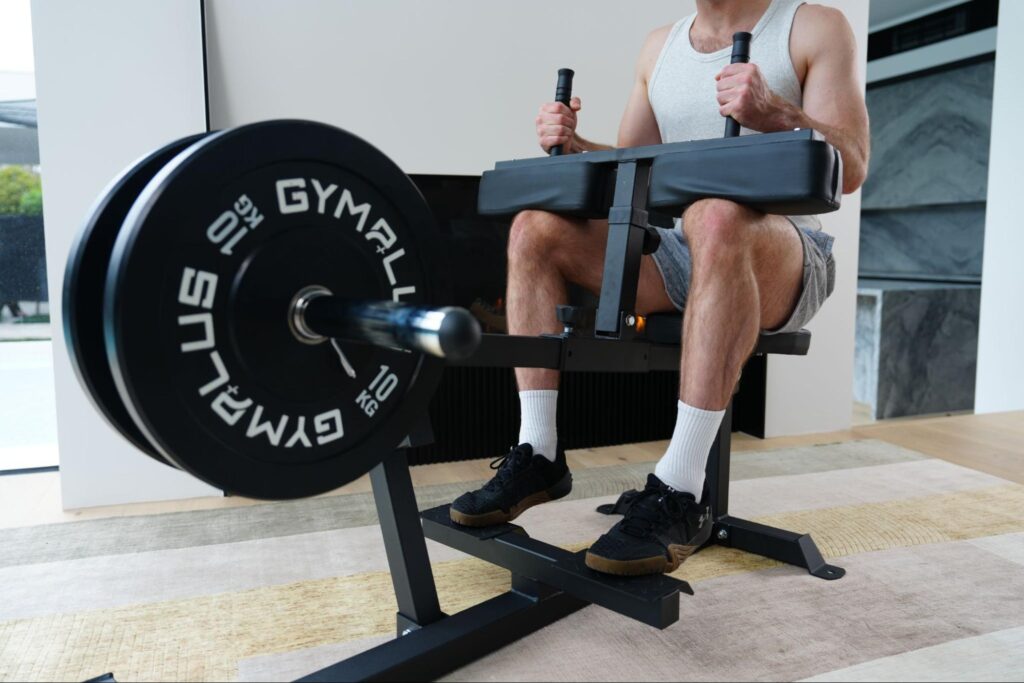
The third strand is the migration of proper strength machines out of commercial gyms and into living spaces. Plate-loaded machines and selectorised stations that once belonged to a paid membership now turn up in domestic ranges, Gym Plus among them, built to a standard that holds up to daily home use. The same buyer often pairs a machine with a bench and a set of plates, turning a single corner into a full strength station.
What makes that viable for a cautious buyer is the after-sales backing and a visible track record. A 30-day money-back guarantee, of the kind Gym Plus offers, lowers the stakes on a serious purchase. Customer feedback does the rest: Gym Plus shows a 4.9 average across more than 2,600 reviews, the kind of signal that reassures a first-time buyer spending four figures on a rack. A strength machine is a bigger commitment than a kettlebell, and the brands winning the home market are the ones removing the reasons to hesitate.
The common thread is permanence. Australians are treating the home gym as a fixture and equipping it for strength rather than novelty, and market data points in the same direction, with steady growth and a strength segment on the rise even as cardio maintains the largest share. The retailers who read that correctly are the ones building for the home rather than selling the cardio gear from the last cycle. Gym Plus is one of them, and on the evidence, it has placed itself on the side the market is moving toward.
//SPONSORED CONTENT
Share


Related Articles

Cam Mooney: Geelong’s depth is being tested at the worst possible time
Geelong’s win over St Kilda came at a massive cost,…
Man arrested after Lara head-on crash
Geelong Divisional Response Unit detectives have arrested a man after…