Vopak pushes ahead with gas terminal plan
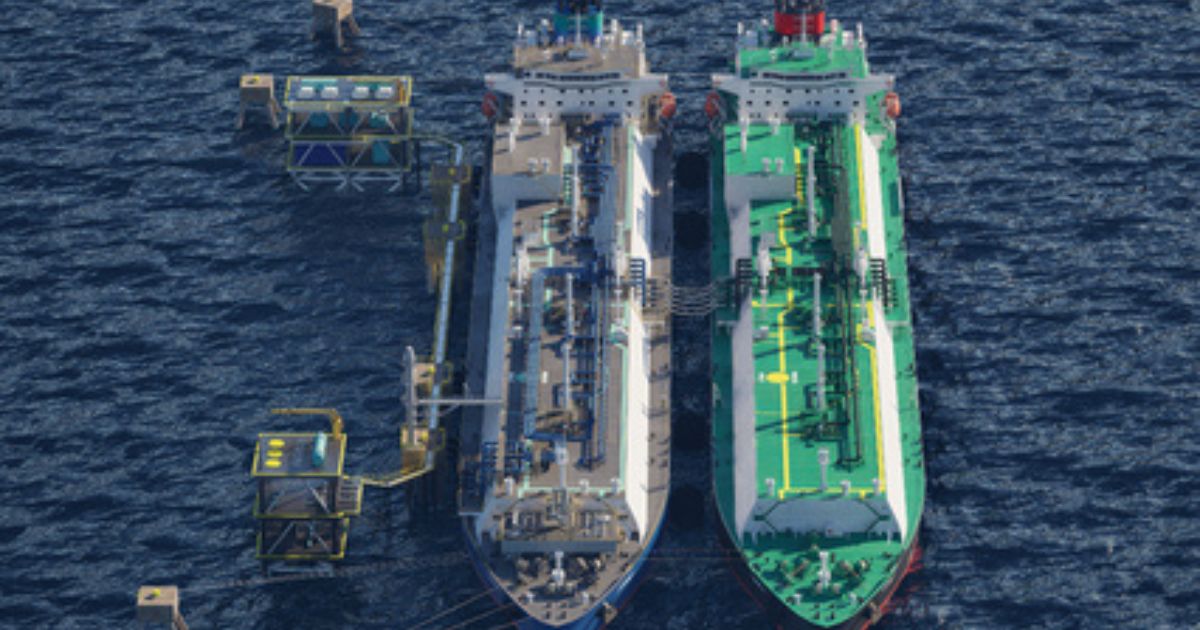
An artist's impression of the proposed Vopak Victoria Energy Terminal in Port Phillip Bay. Image: Vopak.


A second proposal for a floating gas terminal to help solve Victoria’s predicted gas shortage is pushing forward, with Vopak’s project continuing the environmental approval process.
Like Viva Energy’s proposed regasification terminal near the Geelong Refinery, the Vopak Victoria Energy Terminal (VVET) would import liquefied natural gas (LNG), convert it back into natural gas and feed it into Victoria’s supply network.
The terminal would be located about 20km offshore from Avalon in Port Phillip Bay and connected to the mainland via an underwater pipeline.
Vopak managing director Paul Kanters said the project was “an optimal solution for Victoria” and could supply up to 750 terajoules of gas per day – equivalent to about three-quarters of the state’s peak winter demand, estimated at between 900 and 1,000 terajoules daily.
Depending on demand, between 20 and 50 LNG carriers would arrive at the terminal each year.
Vopak is aiming to have the terminal operating by 2029, which Kanters said aligned with independent forecasts predicting Victoria would begin facing critical gas shortages as older local gas fields close.
The project’s environment effects statement went on public exhibition last week.
“We are confident that we are presenting the right solution to provide the much-needed additional Victorian gas supply, while protecting the unique marine environment of Port Phillip Bay,” Kanters said.
“The identified site is at an existing anchorage and will require no dredging, minimising the impact on marine life, flora and fauna while providing suitable conditions for LNG operations and proximity to the gas network.
“In addition, the project will generate employment opportunities, both directly related to the construction and operation of the project – around 500 jobs during construction and approximately 80 jobs during the operational phase.”
Environmental groups including Geelong Sustainability, Australian Conservation Foundation (ACF) Geelong and Environment Victoria have criticised the project, saying it would expose Victorians to price spikes from international markets and the state should instead fast-track the switch to electric appliances powered by renewable energy.
“Port Phillip Bay is a treasured ecological and cultural area,” Geelong Sustainability co-chief executive Karina Donkers said.
“Introducing a gas import terminal into this sensitive marine environment raises serious concerns for marine life, local industries and the communities who cherish the bay.”
ACF Geelong spokesperson Lauren Dillon described the project’s progress as “incredibly disappointing”.
“Our community has been vocal when opposing gas terminals, and we will continue to educate and mobilise alongside them. Melbourne and Geelong deserve better,” she said.
Public comments on the environment effects statement will close on 26 June.
Share


Related Articles

Geelong negotiating possible early exit for Tyson Stengle
Geelong has begun discussions with Tyson Stengle’s management about a…
Spilt Milk festival finds new home in Geelong
One of Victoria’s biggest annual music events is heading to…